
Signs It’s Time to Change Jobs
If you’re wondering about signs it’s time to change jobs, then you’re in the right place. For mid-career professionals, career changers, and job seekers, the moment of change often comes when a few quiet red flags become impossible to ignore.
In this article, we’ll explore why recognising those signs early matters. Also, the top signals that suggest you’ve hit a turning point, the emotional and professional warning lights you shouldn’t ignore.
Lastly, what you should do before you decide to leave, and how to prepare for a career change in the UK.
By the end, you’ll feel more confident about whether the signs it’s time to change jobs are flashing for you, and how to act on them.
Why Recognising the Signs Early Matters
24% of UK workers are dissatisfied, and 33% are actively considering a job switch. Clear evidence that many people see the signs you need a new job.
Recognising signs it’s time to change jobs early gives you power over your next move. When you understand the signals, you can prepare strategically, plan financially, and align your transition with your long-term goals.
This knowledge enables better timing, stronger negotiation leverage, and a more confident, sustainable career journey ahead.
How job dissatisfaction affects your performance and wellbeing
Job dissatisfaction doesn’t just impact how you feel about work. It directly influences performance, creativity, and health. When you experience job dissatisfaction, including a lack of challenge, recognition, or connection, your productivity drops.
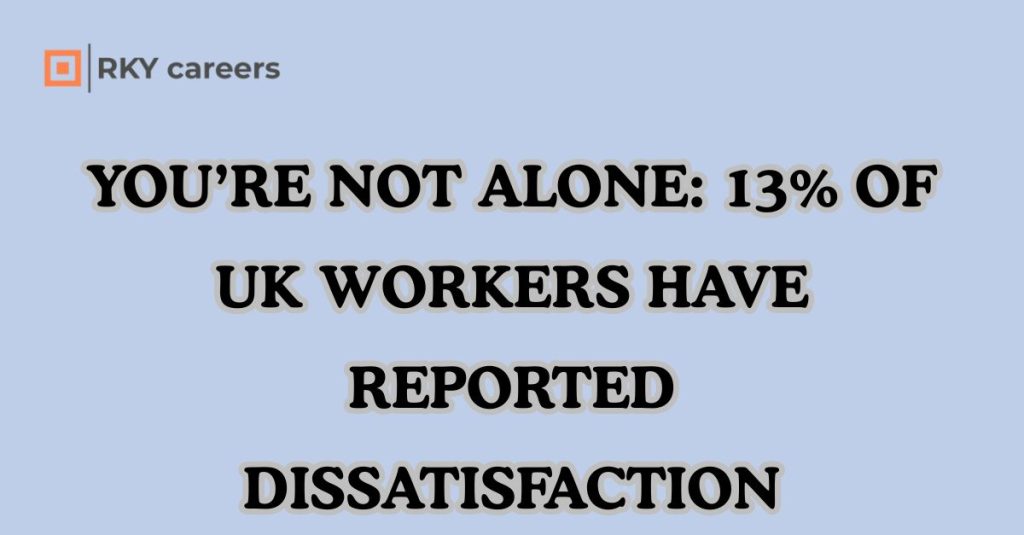
You may start disengaging emotionally or mentally, finding it difficult to deliver consistent quality. According to the CIPD Good Work Index 2024, 13% of UK workers reported dissatisfaction. This disconnect affects both morale and motivation.
Recognising these career change warning signs early allows you to seek better alignment and avoid deeper burnout.
The link between burnout and poor career growth
Burnout is more than exhaustion. It’s a prolonged response to chronic workplace stress that hasn’t been successfully managed. The rise in career burnout symptoms UK is alarming. 63% of UK employees showed signs like fatigue, frustration, and withdrawal in 2024.
When burnout combines with professional growth stagnation, it becomes a dangerous trap. Without new challenges, your enthusiasm fades, and your skills risk becoming outdated.
The data paints a clear picture: professionals who ignore burnout lose productivity, confidence, and direction.
Read also:
Why ignoring career red flags delays progress
Ignoring career change warning signs doesn’t make them disappear; it only prolongs dissatisfaction and compounds frustration. The longer you stay in a misaligned role, the more opportunities you lose for growth and advancement.
Professionals who ignore signs it’s time to change jobs often find themselves feeling undervalued and left behind. When you overlook constant stress, disengagement, or lack of development, you’re delaying progress toward a healthier, more rewarding career.
Taking control early helps ensure your next move aligns with your personal and professional goals.
Top Signs It’s Time to Change Jobs
If you’re spotting some signs it’s time to change jobs; you’re likely already experiencing dissatisfaction, misalignment, or burnout. These indicators aren’t coincidences; they’re signals that your career may have outgrown your current role.
Do you find yourself questioning your purpose, struggling to stay motivated, or constantly comparing your role to others? It’s a sign that change might be overdue.
Reflect on these clues carefully. They’ll tell you whether it’s time to explore new opportunities or make strategic changes in your career journey.

You’ve stopped learning or growing professionally
One of the clearest signs you need a new job appears when your current role no longer challenges or develops you. Growth is vital for engagement and satisfaction.
If every day feels repetitive, you’ve likely reached professional growth stagnation. The 2024 ADP survey revealed that 53% of UK professionals doubt their employer invests in skill development.
When your organisation doesn’t nurture you, your career momentum slows, making it harder to stay competitive in the evolving job market. If your learning curve has flattened, that’s one of the key signs it’s time to change jobs.
Your role no longer aligns with your career goals
Alignment is everything when it comes to professional satisfaction. When your current role drifts away from your career vision, motivation and clarity fade fast. You might question your purpose or wonder if your time is truly being spent wisely.
These are strong reasons for job dissatisfaction that should not be ignored. According to a 2024 Workplace Journal survey, 24% of UK professionals reported being unhappy with their careers, and one in three planned to move within a year.
If your role doesn’t match where you see yourself in the future, that’s a sure indication for career development strategies.
You feel undervalued or underpaid
Being underappreciated is more than frustrating; it’s demoralising. When your dedication isn’t matched by recognition, promotion, or pay, it signals deeper organisational issues.
The CIPD 2024 study shows that only 51% of UK workers feel appropriately paid for their work.
That sense of inequity is a critical job dissatisfaction reason. Over time, feeling undervalued erodes motivation and self-worth, making it harder to perform with passion or purpose.
These patterns strongly suggest that signs it’s time to change jobs are emerging, and exploring opportunities elsewhere may lead to better balance and reward.
Read also:
You’re constantly stressed or disengaged
Persistent stress is a silent career killer. When your job leaves you feeling constantly anxious, drained, or disconnected, those unhappy-at-work signs point to bigger issues.
A 2024 CIPHR survey revealed that 86% of UK adults experience work stress monthly, with 60% reporting stress on 5 or more days each month.
Chronic pressure without relief can damage your mental health and diminish job performance. If you no longer find satisfaction or enthusiasm in your role, these are unmistakable signs it’s time to change jobs.
Company culture no longer fits your values
When your organisation’s culture feels misaligned with your values, passion fades quickly. The 2024 Universum report highlights that culture is now one of the top priorities for UK professionals evaluating employers.
If you’re constantly clashing with leadership approaches, ethics, or team dynamics, it creates inner conflict and dissatisfaction. Over time, this mismatch drains energy and motivation. You might find yourself saying, “This isn’t me anymore.”
That realisation is one of the clearest signs it’s time to change jobs for long-term engagement and happiness.
You’re excited by other job opportunities more than your own
When scrolling through job boards excites you more than your current projects, that’s a powerful emotional indicator.
Feeling inspired by potential roles means your curiosity is already shifting outward. This doesn’t make you ungrateful. It’s simply awareness that your current role no longer challenges or fulfils you.
Professionals who feel drawn toward exploration are experiencing authentic career change warning signs. Instead of suppressing those impulses, listen to them as curiosity often precedes transformation.

Unlock your potential with RKY Careers’ personalised career development and expert coaching to help you transition confidently.
Whether you’re ready to move roles, explore new paths or accelerate your growth, RKY Careers equips you with the tools and mindset to succeed.
Emotional and Professional Red Flags You Shouldn’t Ignore
Your emotions often detect dissatisfaction before logic does. Paying attention to how you feel about your job can reveal crucial signs it’s time to change jobs. Emotional red flags, such as constant dread, anxiety, or creative fatigue, are powerful indicators that your role may no longer serve your growth.
Recognising emotional and professional red flags early protects your confidence and mental health. When you continually dismiss feelings of unhappiness, resentment, or frustration, they manifest as burnout or disengagement.
Sunday-night dread and work anxiety
If your weekends are overshadowed by fear of Monday, that’s not normal. It’s an emotional warning sign. Experiencing unhappy at work signs, like dread or anxiety, means your job is negatively affecting your well-being.
According to StandOut CV (2024), only 17% of UK workers “love their job.” This statistic proves that chronic stress and dissatisfaction are widespread.
When you live for the weekend and dread your weekdays, that imbalance harms your long-term fulfilment. Please don’t ignore them; they’re signals urging you toward a healthier professional environment.
Loss of motivation or creativity
When motivation fades, productivity follows. If ideas no longer flow or excitement for projects disappears, your enthusiasm has likely burned out.
Data from Spill Chat (2024) shows that 39% of UK professionals report feeling exhausted, and 42% report feeling emotionally drained.
Such career burnout symptoms UK show up long before most people act on them. When creative energy evaporates, your brain is signalling dissatisfaction and fatigue. Rather than pushing through autopilot, reignite your spark by exploring new opportunities.
Read also:
Frequent conflict or poor management support
When every interaction with your manager feels tense or feedback is consistently missing, your work environment becomes toxic. Lack of support and recognition often ranks among the top job dissatisfaction reasons across industries.
This friction undermines confidence, teamwork, and performance. It also prevents advancement and learning. Over time, frustration turns into resentment and eventually leads to disengagement.
Addressing it early is essential, but if nothing changes, it’s best to accept that the signs that it’s time to change jobs are valid.
What to Do Before You Decide to Leave
Before reacting to job change signs, it’s crucial to pause, reflect, and prepare thoughtfully. Hasty decisions can lead to regret or unnecessary financial strain. Instead, assess your situation objectively and plan strategically to ensure your next step is driven by clarity, not impulse.
Sometimes dissatisfaction stems from burnout rather than misalignment. Other times, it’s an unsalvageable mismatch. Either way, evaluating the cause helps you make smart choices.
Here’s how to approach the process systematically while addressing those critical career change warning signs.
Evaluate if it’s burnout or a mismatch
The first step before leaving is understanding whether you’re burnt out or simply in the wrong job. Burnout is a state of exhaustion caused by prolonged stress, while a mismatch reflects fundamental misalignment.
If recovery feels impossible even after rest, your issue may go deeper. These are real career burnout symptoms UK. Reflect on your motivations, workload, and emotional state. When you separate exhaustion from misfit, your next decision becomes clearer.
Talk to your manager about development options
Before resigning, try to open an honest dialogue with your manager. Express your need for growth, training, or greater responsibility. Their response can be revealing. Supportive leaders will provide pathways for learning or mobility; dismissive ones won’t.
When you face continual neglect or lack of progress, the evidence speaks for itself. Professionals often overlook this conversation, yet it’s crucial for assessing whether professional growth stagnation is situational or systemic.
Start building your exit plan strategically
Once you’ve accepted that change is imminent, preparation is everything. Begin with financial readiness. Save three to six months’ living expenses.
Then refresh your CV and LinkedIn profile, emphasising results rather than duties. Start networking discreetly while employed.
Consider industries aligned with your strengths or values, including switching careers in the UK if relevant. This proactive approach ensures your transition is smooth and empowered. When you act strategically rather than react emotionally, you’re better positioned to choose roles that truly match your goals.
How to Prepare for a Career Change in the UK
Whether you’re moving within your field or switching careers in the UK, this process involves upskilling, self-promotion, and intentional networking. Planning helps you navigate the market with confidence and find opportunities aligned with your evolving aspirations.
Taking practical, focused steps to build momentum for your transition
- Refine your CV
- Enhance your LinkedIn presence
- Gain relevant certifications
- Engage with professional circles
The key is acting deliberately, because making the right move is more about preparation than luck or timing.
Updating your CV and LinkedIn profile
Your CV and LinkedIn profile are your personal marketing tools. They must tell a compelling story about who you are and where you’re headed. Highlight achievements, quantify results, and show career progression.
Emphasise transferable skills, especially if switching careers in the UK. Recruiters increasingly rely on LinkedIn to find talent, so ensure your profile uses strong keywords.
Add recommendations to validate credibility. Present your value confidently and authentically. If your profile hasn’t been updated in over a year, now’s the time.
Read also:
- How to Overcome Rejections in UK Job Applications
- Easiest Ways to get UK Visa Sponsorship for Skilled Workers
Upskilling through online certifications
Upskilling demonstrates adaptability and initiative; qualities every employer values. Identify areas where your expertise could expand, and enrol in short courses or professional certifications.
Many UK providers offer affordable, flexible options for working professionals. Continuous learning combats professional growth stagnation and boosts employability across industries.
Whether it’s project management, data analytics, or communication skills, strategic upskilling reinforces your competitive edge. When you act upon signs it’s time to change jobs, enhancing your capabilities ensures a smoother, more confident transition.
Growth doesn’t stop at change; it thrives through preparation and ongoing learning.
Networking and exploring new opportunities
Networking remains one of the most effective tools for discovering roles before they’re advertised. Join webinars, attend industry meetups, and engage online with professionals in your field.
A strong network accelerates your visibility, especially when switching careers in the UK. Building relationships organically increases your chances of finding opportunities aligned with your goals.
Remember, your next career step might come from a conversation, not an application. Responding to career change signs through proactive networking empowers you to shape your career path intentionally.
FAQs: Signs It’s Time to Change Jobs
1. How do I know if it’s the right time to quit my job?
If you find multiple signs it’s time to change jobs, such as stagnation, misalignment, stress, undervaluation or constant day-to-day dread, and you’ve taken steps to improve the role with no success, then yes, it may be the right time.
Ensure you plan before you quit.
2. What are the warning signs of career burnout?
Career burnout symptoms UK include persistent fatigue, emotional exhaustion, lack of motivation, cynicism about work, and feeling ineffective or derailed at work. When these persist over months and affect your life outside work, they are clear warning signs of needing change.
3. Should I find a new job before resigning?
Yes, whenever possible. Having a new role lined up gives you leverage, reduces risk, and ensures you make a positive transition rather than moving out of necessity. Building your exit plan before resigning is a key strategic step.
4. How can I prepare financially before changing jobs?
Start saving the equivalent of 3-6 months’ living expenses, reduce debt, review your current costs and future salary expectations. Also factor in possible gap periods and consider the total compensation (benefits, pension) not just the headline salary.
Then you can move on your terms.