
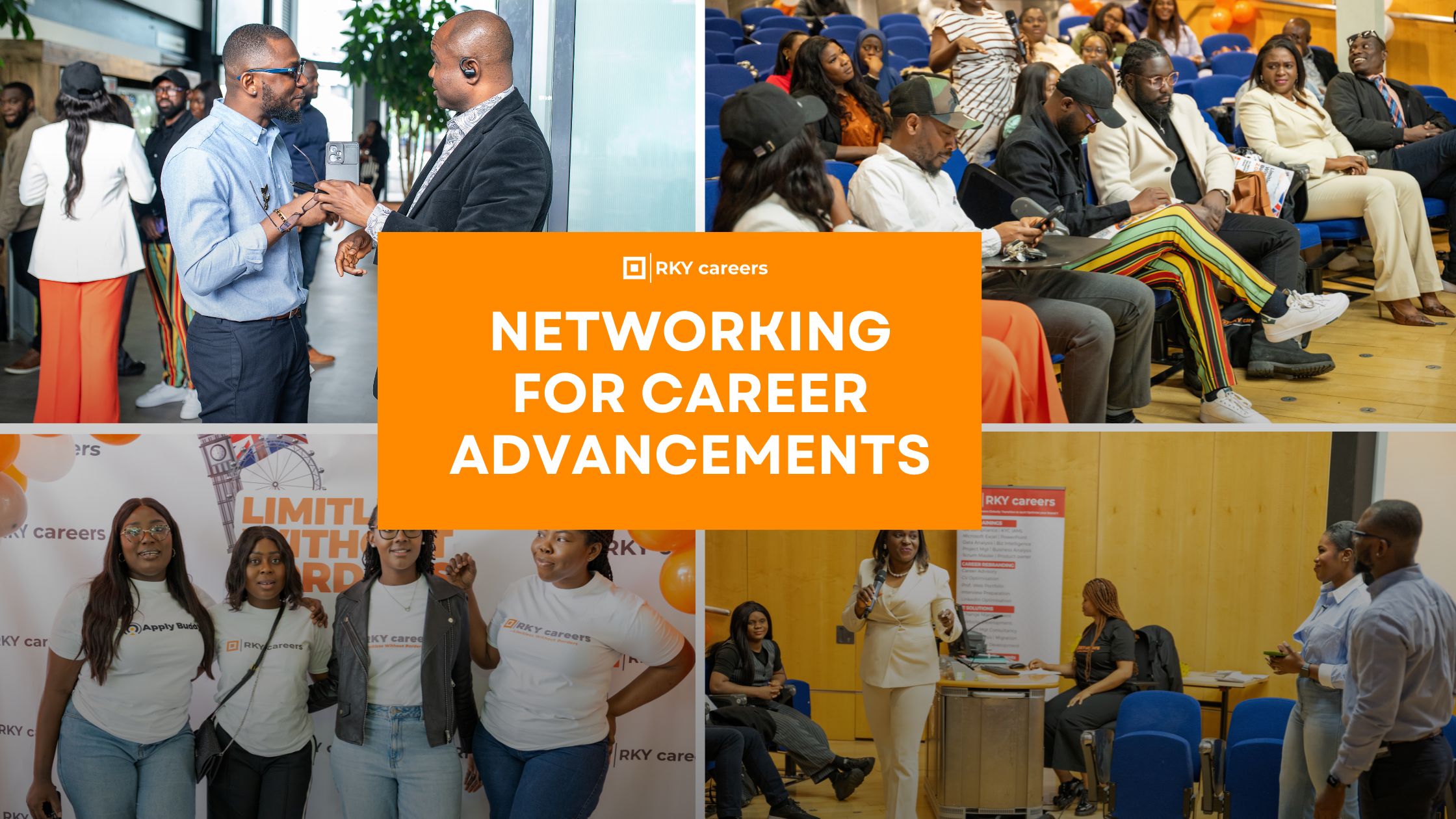
Networking for Career Advancement
In today’s ever-evolving professional landscape, networking for career advancement has become more than just a buzzword; it’s a strategic necessity. Whether someone is a mid-career professional seeking a fresh challenge, a job seeker trying to break into a new industry, or a career changer aiming to pivot smoothly, the power of meaningful connections cannot be overstated.
But wait, let me tell you something: networking is not about schmoozing in crowded rooms; it’s about building genuine, strategic relationships that can unlock career growth in the most unexpected ways.
What Is Professional Networking and Why It Matters

According to a report on LinkedIn, 70% of job seekers find their current job through networking. Professional networking establishes and nurtures relationships with individuals who can support or influence one’s professional journey. But here’s the kicker: it’s not just about what you know; it’s about who knows what you can do.
Professional networking is becoming a top tactic for ambitious professionals in the UK, especially in competitive job markets. From getting job leads to being mentored by industry veterans, the benefits of networking ripple across every career stage, turning ordinary introductions into transformational opportunities.
The Role of Networking in Modern Career Development
Let’s face it: qualifications and experience are essential, but they’re not the whole story. In today’s job market, networking is pivotal in career mobility, industry awareness, and professional growth. It is an informal yet powerful channel for discovering hidden job markets, accessing insider knowledge, and gaining mentorship..
People who consistently invest in networking report faster promotions, better job offers, and greater career satisfaction. The key to career networking strategies lies in consistency, curiosity, and authenticity; qualities that build long-term value and credibility.
While only a minority actively maintain their professional network, 80% of people believe networking accelerates their career growth, according to a report on Novorésumé.
Professionals who make networking a routine part of their work lives are often the first to hear about new trends, projects, or positions. Whether it’s an informal chat at a seminar or a strategic LinkedIn connection, staying visible and engaged within your network gives you a significant edge over those who don’t.
How Connections Can Lead to Opportunities You Won’t Find Online
Here’s something we can both agree on: the best opportunities aren’t always advertised. Many roles are filled through referrals or personal recommendations long before they’re posted publicly. That’s the power of having a strong network. You’re automatically one step ahead when a hiring manager knows your name or gets a direct referral.
The bottom line? Connections give you access to opportunities that online job boards simply can’t. Learning how to network for a job effectively and intentionally is essential to boost your chances.
This isn’t just theory; research backs it up. According to multiple studies, referrals are among the most successful ways companies fill open positions. So, while countless applicants upload their CVs online and wait, the well-connected are already in the room.
It’s no wonder networking for career advancement has become a game-changer for professionals at all levels. The takeaway? Who you know matters, and who knows you matters even more.
See also:
How to Get Non-Clinical Roles in the NHS-UK
Effective Networking Strategies That Work
So, you want to build a robust network without sounding fake or transactional? Good question. The secret isn’t in quantity but in quality. Meaningful networking for career advancement starts with real connections built over time through shared interests or goals.
You don’t need to attend every event or message every LinkedIn contact. Instead, focus on being present, adding value, and staying consistent. That’s how you shift from a forgotten name in an inbox to a trusted peer or recommended hire. Ready to transform your approach? Then, let’s dive into what works.
Building Genuine Relationships, Not Just Collecting Contacts
Collecting hundreds of business cards or LinkedIn connections doesn’t automatically equate to a strong network. Real influence stems from genuine, reciprocal relationships. Instead of approaching networking as a numbers game, approach it as relationship-building.
Take time to understand the person behind the title, listen actively, and offer something before asking for anything. Career growth through networking happens when people remember you not for what you need but for what you give. Want to know the best part? Building trust creates a network that supports you in the long haul.
Genuine relationships are based on mutual benefit. By taking an interest in someone else’s success, you position yourself as a collaborator rather than a taker. This simple but powerful shift opens doors in ways a cold message never could.
Remember, consistently showing up, whether by sharing an insightful article or celebrating a connection’s win, reinforces those bonds. That’s how professional networking UK professionals build sustainable careers.
Online vs Offline Networking: How to Maximise Both
Should I focus more on in-person events or online connections? The truth is that networking for career advancement requires both because they are powerful when used intentionally. Offline networking, think conferences or meetups, gives you richer human connections. Meanwhile, online platforms like LinkedIn allow for scalable, strategic outreach.
Here’s how you can do the same: attend local networking events for professionals to create a presence, then follow up online to keep the relationship alive. Balance is everything. Each method feeds the other, forming a complete networking ecosystem tailored to modern careers.
Online networking also gives access to communities that might otherwise be out of reach. The best networking apps in the UK help users join industry-specific groups, attend virtual meetups, and even engage in professional development.
Meanwhile, in-person events allow you to pick up on nuances, body language, and spontaneous conversations that digital platforms can’t replicate. To maximise both, be intentional. Plan your calendar around high-impact events and carve out time weekly to connect online. That way, you’re visible in multiple spaces, and your professional network grows faster.
Following Up Without Being Pushy
Let’s break it down: the follow-up is often where networking success happen or falls apart. You’ve made a great connection at an event, but what now? This is the part where subtlety and strategy come into play. Sending a thoughtful message referencing your conversation and suggesting a casual catch-up is more effective than a hard ask.
Think about it: people are more inclined to help when they feel a connection, not a transaction. With tactful follow-ups, you demonstrate interest without pressure, a vital skill in any LinkedIn networking tips worth learning.
The key is timing and tone. Wait a day or two, then reach out with a personalised note; avoid copy-paste scripts. Keep your message short, friendly, and specific. Ask how they’re doing, reference your last meeting, or share an article they might like.
Doing this regularly, not just when you need something, makes your presence feel welcome rather than intrusive. Best of all, over time, these interactions build relationships that lead to referrals, recommendations, and opportunities you couldn’t have accessed alone.
Also Read:
Networking Tips for Expats in the UK
How to Network with People in Your Field to Find Jobs in the UK
Where and How to Network in the UK
Now, let’s get to it: building a meaningful network in the UK requires more than just showing up at the right place. It’s about knowing where industry conversations are happening, who’s hosting them, and how to make a lasting impression. From formal networking events to informal coffee chats, the UK’s professional scene is rich with opportunities for all levels.
Whether you’re mid-career or just starting, making intentional choices about where and how you engage can make all the difference in growing your network and, ultimately, your career.
Top Networking Events and Platforms for Professionals
Look: there’s no shortage of opportunities in the UK to grow your circle. From regional Chambers of Commerce to niche industry expos and speed networking events, there’s something for every interest and schedule. For those looking to grow within their field, attending targeted networking events for professionals opens doors to mentors, collaborators, and job offers.
You can also join popular platforms like Eventbrite and Meetup to discover local events. The trick is to choose quality over quantity and attend events that align with your goals and values.
To dive even deeper, check industry-specific organisations. If you work in tech, events hosted by TechUK or Silicon Roundabout are highly regarded. Conferences like The Finance Professional Show attract top talent and decision-makers in finance. Creative professionals can look to Creative Mornings or niche art collectives.
These gatherings don’t just offer content they offer context, introductions, and insight into what’s next in your industry. Attend regularly, be curious, and your network grows organically.
Leveraging LinkedIn for Career Growth
Here’s the secret: LinkedIn is much more than a digital CV. When used effectively, it’s a powerful tool for visibility, connection, and credibility. Start by optimising your profile include a compelling headline, a clear summary, and an active experience.
Then, engage thoughtfully. Comment on posts, publish content and reach out with personalised messages. Following LinkedIn networking tips like these helps you stay on people’s radar and makes you more discoverable to recruiters. Over time, this consistency builds a reputation that works for you, even when you’re not actively job hunting.
The result? More substantial influence, more offers, and bigger opportunities.
Beyond that, joining an online network for professionals on LinkedIn can expose you to industry-specific trends and discussions. Groups focused on digital marketing, renewable energy, or diversity in tech offer daily insights and peer connections.
Don’t just lurk, participate. Start discussions, ask questions, or share articles. This positions you as someone informed, helpful, and active; a powerful combination when aiming for networking for career advancement. The payoff? Doors open when others see you as someone who brings value, not just someone looking for a job.
Industry Associations, Alumni Groups & Meetups
Want to know a secret? Some of the most valuable networks are built in more casual or focused spaces. Professional groups like alumni associations or trade bodies offer excellent access to seasoned professionals.
These aren’t just support groups; they’re hubs of opportunity. You’ll find peer mentorship, job leads, and even collaborative projects. Meetup.com and another online network for professionals help you tap into relevant communities instantly. So what’s the point? These groups can accelerate your career trajectory while offering the human connection often missing from online-only interactions.
And don’t underestimate the strength of shared backgrounds. Alum connections especially those from universities or executive programs tend to be warm and responsive. People enjoy helping others from familiar institutions. The same goes for industry certifications.
If you’ve completed a programme through CIPD, PMI, or other UK-based authorities, join their forums or events. These spaces are goldmines for mid-career tips and long-term collaboration. Trust built here often leads to career-long relationships.
See Also
Common Networking Mistakes to Avoid
It’s a familiar story, and it usually goes like this: someone tries to network hard and makes a negative impression. They may talk too much, follow up aggressively, or disappear entirely after the first connection.
Sound familiar? If you want to use networking for career advancement the right way, you’ve got to avoid common missteps. It’s not about being perfect, it’s about being intentional, respectful, and consistent. Let’s look at the mistakes that derail even the most well-meaning networkers and how to fix them quickly.
Talking Too Much About Yourself
Here’s the deal: nobody wants to feel like they’re listening to a monologue. One of the most common networking faux pas is dominating the conversation. While sharing your story is essential, it’s equally vital to listen. People appreciate when you show genuine curiosity about their work, interests, and challenges.
This opens the door for meaningful exchanges and positions you as thoughtful and considerate. For anyone exploring career networking strategies, learning to strike this balance early can radically improve how others perceive and respond to you. The bottom line? Dialogue always beats monologue.
Showing interest in others doesn’t mean hiding your ambitions. It means expressing them in a way that fits naturally into the conversation. For example, ask questions like, “What’s your favourite part of your current role?” or “What trends do you think are shaping our field?”
These open the door to two-way dialogue and subtly establish you as engaged and informed, two qualities every professional wants in their network.
Failing to Nurture Relationships Over Time
But wait, there’s more to networking than the initial contact. Relationships, like gardens, need regular care to grow. When people only reach out when they need something, it sends the wrong message. Instead, check in occasionally, share relevant content, or congratulate someone on a milestone.
This simple consistency builds trust and keeps you at the top of your mind. Want an example? A brief “Saw this and thought of you” message goes a long way. If you’re serious about how to grow professional network connections, nurturing relationships should be at the top of your list.
Consistency is what separates one-time interactions from long-term value. Even if you’re not actively job hunting, maintaining those connections matters. It creates a flow of opportunities and information. Many of the most influential relationships in a person’s career come from small, repeated touches over time, not big moments.
So, if you want to unlock career growth through networking, nurture the relationships you already have. That’s where trust, referrals, and deeper opportunities live.
Ignoring the Power of Giving Before Asking
Let me guess: you’ve met someone who asked for a favour before even saying hello correctly. Annoying. This is one of the fastest ways to shut down potential relationships. The secret? Offer before you ask. Share an article, introduce them to someone helpful, or support their work. This small gesture flips the dynamic in your favour.
The best networking apps in the UK even let you follow thought leaders and contribute meaningfully before meeting them in person. Put, generosity breeds goodwill, and goodwill opens doors.
Here’s why this matters: most professionals are bombarded with requests. When you give first, without an agenda, you stand out. It builds goodwill and credibility and often creates a desire to reciprocate. So lead with value next time you reach out to someone you admire or hope to work with. Ask, “How can I support your work?” rather than “Can you help me find a job?” You’ll be amazed how much further you go.
Conclusion: Networking For Career Advancement
So what’s the bottom line? Networking for career advancement isn’t just a tactic, it’s a mindset. Done right, it’s a bridge between where you are now and where you want to go. Investing in relationships, showing up consistently, and being willing to give before you get lays the foundation for sustainable career growth.
The opportunities are endless, whether through professional networking UK events, alumni circles, or the best online network for professionals.
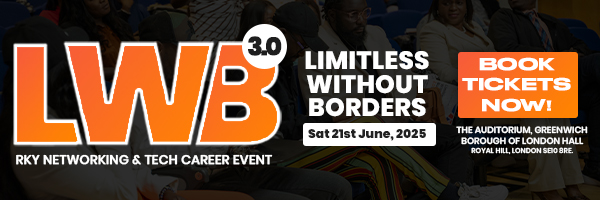
And if you’re ready to take your networking to the next level, don’t miss Limitless Without Borders (LWB 3.0), an exclusive event by RKY Careers where top industry experts, career professionals, and entrepreneurs gather to share insights, opportunities, and powerful connections.
You’ll get direct access to decision-makers, participate in workshops, and even stand a chance to win business-support grants that can help you scale or launch your venture.
Register now for Limitless Without Borders and expand your network beyond borders.
Remember: real networking is never about using people, but building value together.
FAQs: Networking for Career Advancement
What is the best way to network for a career change?
Start by targeting professionals already working in the field you want to enter. Conduct informational interviews, attend relevant events, and join online communities. Focus on learning and listening first, offering something of value when possible. Career networking strategies are most effective when built on authenticity and persistence.
Can networking help you get a job in the UK?
Absolutely. In the UK, a large percentage of jobs are never advertised publicly. Networking events for professionals, alumni groups, and industry-specific platforms offer direct access to employers and insiders. Building relationships puts you in line for referrals, often leading to interviews faster than traditional applications.
How do introverts network effectively?
Introverts can thrive at networking by choosing low-pressure formats like one-on-one meetings, small group events, or virtual networking. Listening actively, preparing thoughtful questions, and following up with personalised messages make a significant impact. Remember: depth matters more than breadth, quality over quantity wins.
Is LinkedIn really effective for networking?
Yes, it is. LinkedIn allows professionals to showcase expertise, engage with industry peers, and initiate valuable conversations. With smart LinkedIn networking tips—like personalising messages, engaging with content, and contributing to discussions—you can build visibility and relationships that pay off over time.


