How to Use LinkedIn for Career Advancement
Do you also ask about how to use LinkedIn for career advancement? LinkedIn has become more than just a social network; it’s a powerful tool for career advancement. Whether you’re a recent graduate, mid-career professional, or seasoned expert, LinkedIn offers a variety of ways to boost your career.
Many professionals ask how to use LinkedIn for career advancement, and with the right strategies, you can significantly enhance your job prospects and career growth.
Look, the platform is filled with opportunities, from job searches to networking with industry leaders. But why is it such a critical tool for career advancement?
The key is leveraging it—creating a profile that stands out, networking effectively, and showcasing your expertise to the right audience. I’ll summarise the best practices and LinkedIn career-advancing strategies in this guide.
Also Read: LinkedIn Content Strategy For Personal Branding
Why LinkedIn Is Essential for Career Advancement
You’re missing out on a massive opportunity if you’re not using LinkedIn for your career growth. LinkedIn for career advancement isn’t just about job hunting—it’s about professional growth.
Over 700 million people use LinkedIn, among them hiring managers, recruiters, and industry leaders actively searching for talent. But why should you care? LinkedIn is where employers seek candidates who match their needs and where you can find your next career opportunity.
Also Read: How to Use Social Media for Job Searching
The Importance of Building a Strong LinkedIn Profile
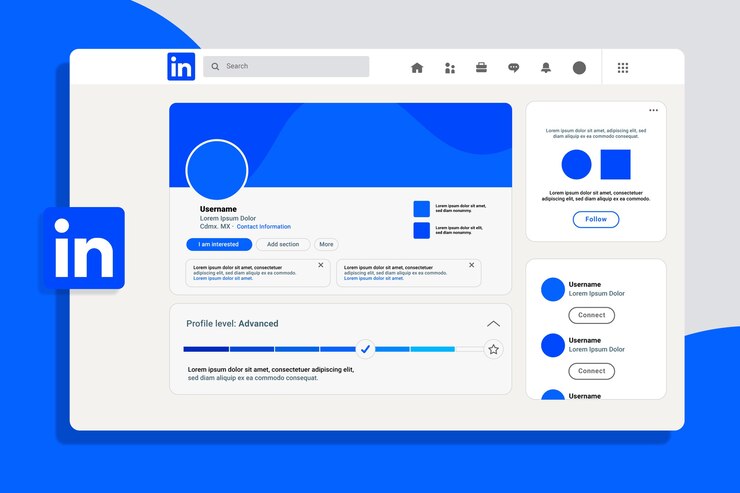
If you want LinkedIn visibility, you need a strong, comprehensive profile. But here’s the kicker: a strong profile isn’t just about filling out sections.
It’s about making strategic choices—choosing the right profile photo, writing an engaging headline, and creating a compelling summary. The bottom line is that your profile is your first impression. Make it count.
How LinkedIn Helps in Networking and Personal Branding
What are LinkedIn networking and personal branding exactly? Networking on LinkedIn isn’t just about connecting with as many people as possible.
It’s about building meaningful relationships that support your career goals. Whether you’re engaging with industry leaders or sharing relevant content, LinkedIn offers numerous ways to showcase your expertise.
Setting Up a Profile That Stands Out
Setting up a profile that stands out is one of “how to use LinkedIn for career advancement”. Building a standout LinkedIn profile is the first step in utilising the platform effectively for career advancement.
With millions of users, a compelling profile can be the differentiator between being overlooked and getting noticed. So, how do you make your LinkedIn profile shine? Let’s break it down.
Crafting a Compelling Headline and Summary
Want to know the best part?
Crafting a compelling headline and summary is your secret weapon. But why? These are the first elements people see when they come across your profile. Your headline should succinctly reflect your career identity, skills, and aspirations.
For example, instead of just listing your job title, try incorporating keywords like “driven marketing professional” or “innovative product manager.”
Next, the summary is your chance to tell your story. In just a few sentences, highlight your career journey, key achievements, and professional passions. Keep it concise, but make sure it stands out.
This is your chance to showcase your personality, too—be professional, but don’t be afraid to let your unique voice shine through.
Pro Tip: If you need help creating a headline or summary that truly stands out, RKY Careers LinkedIn Service can help you craft a compelling LinkedIn profile that catches the eye of recruiters and industry leaders alike. With our expertise, we’ll help you position yourself for career growth.
Using a Professional Profile Photo and Background
You should know that first impressions matter, and your LinkedIn profile photo is no exception. A high-quality, professional-looking photo can enhance your profile’s credibility. Here’s the deal: You don’t need a studio photo, but ensure that you’re dressed professionally, looking approachable, and have good lighting.
But why do LinkedIn background image ideas matter? A background image gives you an additional opportunity to brand yourself.
Choose an image that aligns with your industry, such as a subtle cityscape for business professionals or a design-related image if you work in the creative industry. Your background image should reflect your professional identity.
Optimising Your Experience, Skills, and Accomplishments
First, focus on LinkedIn skills that align with your career goals. Choose skills that are not only relevant to your field but are also searched by recruiters. You can even take skill assessments to validate your expertise, which adds credibility to your profile.
Next, when listing your LinkedIn experience, ensure you showcase measurable achievements. Don’t just describe job duties—highlight outcomes. For example, instead of saying, “Responsible for marketing campaigns,” you could say, “Led marketing campaigns that resulted in a 30% increase in website traffic.”
Building a Network That Supports Your Career Goals

LinkedIn is not just about having a polished profile; it’s also about building a powerful network. After all, connections are key when it comes to career advancement. You may be wondering how I network effectively on LinkedIn. Let me explain.
Building a network on LinkedIn isn’t about collecting connections like a badge of honour—it’s about fostering meaningful relationships with the right people. Whether it’s industry leaders, influencers, or fellow professionals, these connections can offer valuable insights, opportunities, and even mentorship.
Connecting With Industry Leaders and Influencers
To elevate your career, you need to connect with the right people. This means reaching out to industry influencers and leaders already established in your field. But what are LinkedIn connections all about? It’s about creating a professional bond that can lead to collaboration, advice, and potential job opportunities.
Joining Relevant LinkedIn Groups and Communities
But why do LinkedIn groups for professionals matter? These groups are goldmines for career advancement. Whether it’s a group for networking or industry-specific communities, these spaces allow you to interact with like-minded professionals, share knowledge, and even discover new opportunities.
Engaging With Content to Build Relationships
The bottom line: LinkedIn isn’t just about who you know—it’s also about how you engage with them. Commenting on LinkedIn posts, sharing valuable content, and liking updates are all part of an active engagement strategy. We agree that engaging with content shows you’re present, insightful, and contributing to your professional community.
Using LinkedIn for Job Search and Career Opportunities
So, you’ve built an awesome LinkedIn profile and network. Now, how do you find job opportunities on LinkedIn? LinkedIn is a powerful tool if you’re actively seeking your next role or want to keep an eye out for new career prospects.
Here’s the deal: LinkedIn for job search isn’t just about waiting for recruiters to find you—it’s about actively positioning yourself for success.
Setting Up Job Alerts and Notifications
Setting job alerts ensures you don’t miss out on any job updates. LinkedIn allows you to set customised job alerts based on your preferences—location, industry, job title, etc. This way, you’ll be notified whenever a job matching your profile is posted.
For example, if you’re looking for roles in project management, you can set up an alert for “Project Manager” positions in your area. It’s like having your recruiter without all the extra work!
Reaching Out to Recruiters and Hiring Managers
Instead of waiting for recruiters to find you, take control of the process. You can use LinkedIn messaging to reach out directly to recruiters or hiring managers about open roles. But how can you stand out in a crowded inbox? Simple—personalise your message!
For example, instead of a generic “Hello, I’m interested in your job posting,” try something more specific: “Hi [Recruiter’s Name], I noticed your job posting for the [Job Title] position, and I believe my experience in [Specific Skill] could make me a strong candidate. Would love to discuss the role further.”
Now, you’re no longer just another applicant but a proactive, engaged professional.
Leveraging LinkedIn’s “Open to Work” Feature
You might not know that LinkedIn’s “Open to Work” feature lets you signal to recruiters that you’re actively job hunting. It’s a simple yet powerful way to increase your visibility. When recruiters search for candidates, they can filter results by those who have activated this feature.
Building Your Personal Brand Through LinkedIn Content

One of the ways on how to use LinkedIn for career advancement. LinkedIn is not just a place to upload your resume; it’s a platform where you can actively build your professional identity.
If you’re not creating content on LinkedIn, you’re missing out. Sharing valuable content is one of the most effective ways to showcase your expertise and build credibility in your field. Want to be seen as a thought leader in your industry? Here’s how you can do the same thing:
Creating and Sharing Valuable Content
Content creation on LinkedIn doesn’t have to be a huge time commitment. LinkedIn content ideas can range from sharing industry news to offering your insights on trending topics. It’s all about giving your network something valuable to engage with.
Publishing Articles to Showcase Expertise
Publishing LinkedIn articles is a great way to dive deeper into subjects that matter to your industry. Unlike regular posts, articles let you showcase your expertise more fully.
For example, if you’re a project manager, you could write an article on “10 Essential Tips for Managing Remote Teams.” This demonstrates your knowledge and boosts your credibility and visibility on LinkedIn. If you’ve got something valuable to say, LinkedIn articles are a fantastic way to get your ideas in front of a wider audience.
Also Read: How to Network Effectively for Career Advancement
Engaging With Others’ Content to Enhance Visibility
Commenting on LinkedIn posts can be just as important as creating your content. When you actively engage with others’ posts, you increase your visibility within your network and show that you’re involved in industry conversations.
Here’s an example: let’s say an influencer in your field shares an insightful post about leadership strategies. By commenting with a thoughtful response, you contribute to the discussion and increase your chances of being noticed by that influencer and others in the industry.
Leveraging LinkedIn Learning for Skill Development
It’s not just about staying relevant in your field—it’s about actively growing your career by acquiring the skills employers seek. With thousands of courses in every imaginable field, LinkedIn Learning can help you gain certifications that give your profile an extra edge.
Finding Courses Relevant to Your Career Goals
Here’s something we can both agree on: choosing the right courses can be a game-changer. On LinkedIn Learning, countless LinkedIn courses are tailored to different career paths. The key is to focus on skills that align with your professional goals.
If you hope to make a career change, you can easily find career-focused LinkedIn learning programs to fill any knowledge gaps. Whether coding, project management, or leadership, LinkedIn Learning allows you to sharpen your skills and stand out in a competitive job market.
Also Read: How to Write a Compelling LinkedIn Summary
Earning Certifications to Boost Your Profile
LinkedIn certifications aren’t just badges—they’re proof of your expertise. When you complete a course and earn a certification, it’s automatically added to your LinkedIn profile.
This showcases your commitment to professional development and signals to potential employers that you have the skills they need.
Check RKY Careers for the certifications relating to your course, and get started to be preferred on LinkedIn.

Applying New Skills in Your Current Role
But why do so many professionals overlook applying LinkedIn skills once they’ve completed a course? The best way to solidify your learning is to apply it directly to your role.
Whether managing projects more effectively or integrating new software into your workflow, LinkedIn Learning gives you the tools to enhance your performance.
Tips for Maintaining an Active LinkedIn Presence
Staying active on LinkedIn isn’t just about logging in once a week—it’s about consistent and strategic engagement that ensures your LinkedIn profile visibility remains high.
By maintaining an active presence, you significantly increase the chances of being noticed by potential employers, partners, or even influencers in your industry. But how do you stay on top of things and continuously improve your LinkedIn activity? Let’s break it down.
Also Read: How to Improve LinkedIn Profile for Job Search
Consistently Engaging With Your Network
One of the most effective ways to maintain LinkedIn relationships is by actively engaging with your network. LinkedIn is a professional social network whose purpose is to foster meaningful conversations.
Your profile will likely go unnoticed if you simply “connect” with someone and don’t interact with them. To boost engagement, try commenting on your connections’ posts, sharing relevant industry news, and liking others’ updates.
Regularly Updating Your Profile and Experience
If you’re serious about using LinkedIn for career growth, you must ensure your LinkedIn profile reflects your most recent experiences, skills, and achievements. Your profile shouldn’t be static.
Regular LinkedIn profile updates are necessary to stay relevant, especially if you’re involved in projects, learning new skills, or changing job roles.
Setting Goals and Tracking LinkedIn Analytics
LinkedIn can be a fantastic tool for career growth, but without a plan, it’s easy to get lost in the noise. Setting LinkedIn goals can help you stay on track and measure your progress. Whether your goal is to connect with five new industry leaders a week or engage with ten posts daily, tracking your efforts is crucial.
LinkedIn’s analytics tool allows you to measure your posts, profile, and engagement performance. This feature provides insights into who views your content, what your audience finds interesting, and how often you’re being discovered. By analysing these results, you can refine your LinkedIn strategy.
FAQs
How often should I update my LinkedIn profile for career advancement?
Updating your LinkedIn profile regularly is advisable, especially when you acquire new skills, complete projects, or change roles. A good rule of thumb is to update your profile every 3-6 months to keep it fresh and relevant.
What are some tips for writing a LinkedIn summary that attracts recruiters?
Your LinkedIn summary should highlight your skills, expertise, and career goals to attract recruiters. Use clear, concise language and include key achievements. Focus on what sets you apart from other professionals, and remember to include keywords related to your industry.
How can I make my LinkedIn profile stand out from other job seekers?
To make your profile stand out, focus on profile optimisation. Ensure your headline is specific, use a professional photo, and tailor your summary to highlight your unique value. Don’t forget to regularly post relevant content and engage with others in your network.
Is LinkedIn Learning worth it for career growth?
Yes, LinkedIn Learning is a valuable resource for career growth. It offers many courses that can help you acquire new skills and certifications. Completing these courses can enhance your profile and make you more attractive to potential employers.
How can I use LinkedIn to network effectively in my industry?
To network effectively, focus on LinkedIn engagement by connecting with industry leaders, joining relevant groups, and commenting on posts. Participate in discussions, share your knowledge, and build meaningful relationships through personalised messages.