
How Much Is a Top 1% Salary in the UK
If you’ve ever wondered whether a six-figure pay packet makes someone rich in the UK, you’re not alone. How Much Is a Top 1% Salary in the UK is a question on many people’s minds.
If you’re looking into what the “top 1%” really means, current thresholds, which jobs tend to land there, and how tax and location changes affect take-home pay, stay with me.
You’ll get numbers from recent reports. You’ll also get practical steps you can use if you want to aim higher.
Understanding What the Top 1% Salary Means in the UK
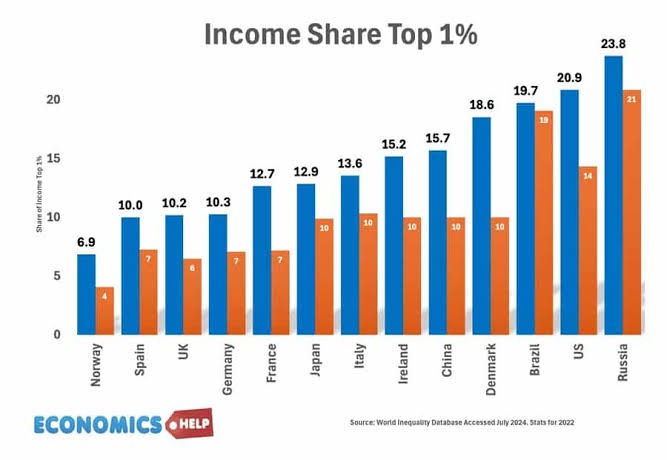
When we say “top 1%,” it sounds neat. But it hides choices. There’s who we measure. Sometimes people mean the top 1% of all adults. Other times, it means the top 1% of taxpayers.
These are different groups. Also, some measures use taxable income while others use pre-tax or net household income; All of these matters.
The top 1% of UK Income taxpayers accounted for 12.9% of all income before tax in the tax year 2022 to 2023
According to the investor centre, it shows that to be among the top 1% of income tax payers, you need a taxable income of an average of 180,984.
However, How Much Is a Top 1% Salary in the UK, when the measure is broader, just like the top 1% of all adults, the number shifts down to a lower threshold. Top 1%” is a helpful marker, but you must ask: top 1% of what?
Definition of income percentile and how it’s measured
An income percentile ranks people by income. If you’re in the 99th percentile, 99% of the population earns less than you. Simple, right?
In practice, data sources differ. Some use tax records, which capture high earners well. Others use household surveys, but they can miss the very rich because the wealthy are harder to catch in random surveys.
For example, tax records show the top 1% are heavily concentrated in London and the South East. Also, the top 1% of income taxpayers are more likely to be middle-aged men and business owners.
Difference between gross income and net income
Gross income is the total before tax and national insurance. Net income is what lands in your bank after deductions.
When people ask “how much do you need,” they often mean gross. That’s partly because gross is easy to compare on charts.
But the net is what you use to live. It means your take-home pay varies greatly.
For instance, someone on a high salary who gets dividends or partnership income can face different effective tax rates than a salaried employee.
Also, pension contributions and benefits change take-home pay. So, for planning, look at both. Use gross for headline thresholds.
Net income is used for budgeting and lifestyle choices.
Regional salary variations across the UK
Location matters. And it is popularly known that London and the South East host many of the top earners. That means a person earning a top-1% wage in rural Britain might feel richer than a Londoner with the same income.
Also, living costs, such as rent, transport, and childcare, can chop into take-home pay fast. Beyond cost, local job markets shape who gets to the top.
Finance and tech hubs pay more and concentrate wealth. As the IFS notes, many of the top 1% are London-based, and just a few areas contain a large share of the highest earners.
So when you eye the top 1% number, remember: where you live changes what it buys.
The Current Top 1% Salary in the UK (2025 Estimates)
Numbers change with time. As of 2024–2025, reputable analyses put the threshold for the top 1% of income tax payers somewhere in the mid-six figures when you count certain income forms, or lower if you use different measures.
Elsewhere, headline numbers sometimes cite roughly £180k–£190k depending on the data and definitions used.
What matters most is the method. Tax records give tidy, conservative thresholds for taxpayers, while surveys and media round up to slightly higher numbers. In other words, expect a number in the low-to-mid hundreds of thousands if you want a mental benchmark.
Average annual income required to join the top 1%
If you aim for a clear target, I’d say plan for a gross income north of £150,000 to be comfortably inside the top 1% of income tax payers, based on recent tax record analyses.
Some reports put the threshold higher, so aim for £160k–£185k to be safe. That range covers different counting methods and income mixes, such as salary, dividends, and partnership profits.
Also, keep in mind that this is taxable income. If much of your earnings is non-taxable or sheltered (pension growth, tax-efficient vehicles), the headline figure might not match your actual position in percentile rankings.
Use this number as a useful guide rather than a rigid rule.
Comparison to the top 5% and top 10% earners
By contrast, the top 10% of full-time earners sit much lower. Official data indicate that to be in the top 10% of full-time earners, you need roughly £72k–£77k a year.
The top 5% threshold sits between the 10% and 1% levels and often lands around the low-to-mid £80k region. These numbers show how steep the ladder becomes at the very top.
In other words, moving from the top 10% to the top 1% is a big jump, often doubling or tripling income.
That difference underlines why the top 1% are a small, concentrated group and why tax and policy debates focus on them.
Historical salary growth among top earners
Top-end incomes tend to grow differently from typical wages. Over the last decades, capital income, mean dividends, and partnership profits have driven much of the gains at the very top.
That pattern means top-1% incomes can jump with market or policy swings. Also, regional concentration has increased: more of the top 1% now live in London or the South East than before.
Importantly, movement into and out of the top 1% is common: roughly half of those in the top 1% in one year may not be in it five years later. So while the top 1% looks stable in headlines, there’s a lot of churn underneath.
See Also:
Industries and Roles That Typically Earn Top 1% Salaries
Some careers naturally churn out top pay more often than others. Finance shows up a lot in the careers that makes the most money. So do senior tech roles, legal partners, consultants, top doctors and surgeons, and successful founders.
Also, business owners who take dividends or partnership profits often reach high taxable incomes. That’s because business income can scale in ways salaries rarely do.
While any field might produce a top earner, certain sectors simply have more of them. If you’re planning a path, understanding sector norms helps you pick the fastest route.
Finance and investment banking
Finance tends to pay well at senior levels. Investment banking, hedge funds, and private equity roles often come with bonus structures that push total pay into the top 1% range.
Many finance professionals receive part of their compensation as bonuses or carried interest. That mix can create large taxable sums in good years.
For those reasons, finance remains a common home for the top 1% incomes. However, it also comes with long hours and a lot of stress. So if finance is your plan, weigh pay against lifestyle and volatility.
Technology and executive leadership
Senior engineers at large tech firms, product leads, and executives can reach top-1% pay, especially when stock awards or equity vest. Even the highest-paying remote jobs UK falls within the tech industry
Executive roles like CEOs, COOs, and CFOs at medium and large firms also pull large packages. Tech offers scale: a product that succeeds can make results far larger than an equivalent raise in other sectors.
That’s why tech and executive leadership are common paths upward. However, timing and equity value are key, so outcomes vary a lot by company and market conditions.
Law, medicine, and consulting sectors
Law partners, top surgeons, and senior consultants at big firms can earn top-1% incomes. These professions often require credentials and long experience.
For example, a partner in a major law firm or a consultant at a top management firm can combine a high base salary with profit shares or bonuses.
Medicine can pay highly too, especially for specialist surgeons and private consultants, who sometimes reach these levels. The common factor is long career progression, specialisation, and scarcity of skills at the top end.
Entrepreneurship and private business owners
Entrepreneurs who scale businesses can land substantial incomes through profits, dividends, or sale proceeds.
Many top-1% earners are business owners or partners. The tax treatment of business income can differ from that of salaried pay, which affects both taxable incomes and effective tax rates.
Entrepreneurship carries risk, but it also brings upside that salary roles rarely match. If you like control and can tolerate risk, this path can be powerful.
But remember, most startups don’t create instant wealth. Patience and smart planning matter.
See Also:
How Tax and Cost of Living Affect High-Earner Take-Home Pay
A big salary doesn’t mean a big lifestyle unless you plan for taxes and costs. UK tax rates, national insurance, pension rules, and differing tax treatment of dividends and capital gains all shape take-home pay.
Also, where you live matters: rent and transport costs in London are often much higher than in other regions. So your headline salary can look very different once taxed and spent.
UK tax rates for top income brackets
Top earners face higher marginal tax rates on salary, but many also receive income treated differently, like dividends or partnership profits.
Those income types can be taxed at lower rates than standard salary. The IFS notes that many top 1% earners get large shares of income from business or investment.
That mix affects their effective tax rate and, therefore, their take-home pay. When planning, look beyond headline rates and consider how your income is structured: salary, dividends, capital gains, or rental and partnership profits all behave differently under tax law.
The result is that two people with the same gross income might take home quite different sums after tax.
Impact of location—London vs other UK cities
Location shifts real income fast. London pays higher salaries in many sectors, but costs, especially housing, eat up more of your cash.
Outside London, salaries may be lower, but so are many living costs. So a top-1% wage in the North East or Wales will often stretch further than the same income in Central London.
That said, London remains the hub for many high-pay industries, which explains its high concentration of top earners.
If you plan to chase top pay, factor in commute times, childcare, taxes, housing costs, and quality of life. Simple math helps your choice.
Lifestyle and savings patterns of the top 1%
Top earners often save and invest more, but they also spend more on homes, travel, and tuition. The net result depends on choices.
The top 1% also tend to own more financial assets, which grow with markets. That concentration of wealth means official surveys can undercount assets at the very top.
New research shows that official measures may miss substantial wealth held by the richest households, increasing estimates of how concentrated wealth is at the very top.
So if your goal is to join the top 1% permanently, plan both for income and for asset growth over time.
See Also:
How to Work Towards a Top 1% Salary in the UK
If you’d like to aim for that bracket, there are practical moves you can make.
First, choose the right sector.
Second, build skills that scale, such as leadership, product strategy, or niche technical expertise.
Third, consider equity or ownership routes where upside can be larger.
Fourth, keep tax planning and investment in mind.
Note that your income determines how much salary to save or invest.
Career paths with rapid salary growth
Fast tracks include senior roles in finance, tech, law, and high-end consulting. Also, roles that manage revenue or P&L often get larger packages.
If you want rapid salary growth, seek roles that tie pay to results: sales leadership, product roles with measurable impact, or executive jobs in growth companies.
Also consider moving to larger markets or hubs where pay scales are higher. Be realistic: moving fast often means longer hours and more pressure, but it can pay off. Map roles, required years of experience, and typical salaries to pick the best route.
Skills and certifications that boost earning potential
Certain skills add outsized value: negotiation, people leadership, strategic product thinking, and advanced technical skills.
Professional certifications (like certain finance, legal, or medical qualifications) help too. https://applybuddy.co.uk/highest-paying-tech-jobs-uk-2025/
Also, soft skills like communication, selling ideas, and stakeholder management matter more at senior levels.
Invest in skills that move you from doer to decision-maker. That shift often multiplies pay. Lastly, network and mentorship speed learning. Join industry groups, attend conferences, and find sponsors who can open doors.
Smart investment and financial planning strategies
Income alone rarely builds lasting wealth. Smart saving and investing amplify pay. Use tax-efficient vehicles, pensions, ISAs, and diversified investments.
Suppose you own a business, structure income tax-efficiently. Also, work with a qualified advisor for personalised tax planning.
Remember, wealth grows with time and compounding. So build a plan that matches your career timeline.
Small, consistent investments beat sporadic windfalls most of the time. Finally, protect yourself with insurance and an emergency fund so that risk-taking (like launching a startup) doesn’t derail your finances.
Read Also:
FAQs:
What salary puts you in the top 1% in the UK in 2025?
For taxpayers, around £160,000 in taxable income is a good threshold to be among the top 1% of income tax payers.
What jobs earn a top 1% income in the UK?
Common fields include senior finance roles (investment banking, private equity), senior tech roles and executives, law partners, consultants at leading firms, senior medical specialists, and successful business owners.
How much tax do top 1% earners pay in the UK?
Tax depends on income mix. Salaried income faces usual income tax and national insurance. Dividend and partnership income can be taxed differently, often at different effective rates.
Is it possible to reach the top 1% salary without a degree?
Yes. Some top earners reach that level via entrepreneurship, trades that scale, sales leadership, or technical skills gained outside traditional degrees.
Conclusion
So, how much is a top 1% salary in the UK? Aim for a taxable income in the £160k–£185k range to be confident you’re in that group, but remember the exact number depends on the measure used. Location, income mix, and industry all change the picture.
If you want to aim higher, choose a high-value sector, build rare skills, get equity where possible, plan taxes and investments sensibly, the tech space gives you this surety fast.

And you can begin your top 1% earners journey by joining the RKYCareers bootcamps, where you get intensive coaching on any tech skills of choice, real-life projects, an optimised CV, interview prep and unending support till you land a high-paying role.