Are Scrum Masters Project Managers? Key Differences Explained
The question frequently surfaces on corporate job boards and tech forums: Are Scrum Masters Project Managers?
The digital economy is moving faster than ever, and corporate environments are changing just as rapidly.
Businesses across the UK and globally are ditching rigid operational frameworks for faster, adaptable development methods. This operational shift has fueled massive demand for professionals who can steer teams toward successful software and product delivery.
However, if you are looking to pivot into these fields, the vocabulary can be confusing.
When you browse job specs on major employment portals or look at specialized training programs, the lines separating these roles look blurry.
This deep dive breaks down the operational realities of both roles, compares their everyday responsibilities, evaluates their earning potential, and outlines how to choose the right path for your specific career goals.
Are Scrum Masters Project Managers?
To answer directly: Is a scrum master a project manager? The short answer is no. They are distinct roles with different objectives, types of authority, and underlying execution philosophies.
They Share Similarities
A Scrum Master is not a Project Manager disguised under a modern, trendy job title. They operate under fundamentally different frameworks. A traditional project manager owns the project’s scope, budget, timeline, and overall direction.
They act as the central point of authority, ensuring the team hits milestones according to a fixed plan.
Conversely, a Scrum Master does not own the project budget or the final delivery roadmap. Instead, they own the process.
Operating as a facilitator and coach, the Scrum Master ensures the team adheres to Scrum principles, maintains optimal velocity, and works without internal or external friction.
Despite these clear differences, the confusion persists because both roles exist to solve the exact same foundational problem: getting high-quality work across the finish line efficiently.
Both positions require strong leadership, clear stakeholder cross-collaboration, and a proactive approach to risk management.
Understanding Where the Confusion Comes From
The overlap between these roles stems directly from corporate evolution. Many traditional UK companies transitioning from classic structural models to modern software frameworks struggle to implement pure Agile practices.
In these hybrid corporate environments, companies often invent blended titles like agile project manager vs scrum master.
When an organisation asks a single professional to build Gantt charts, manage budgets, and facilitate daily standups simultaneously, it blurs the structural boundaries.
This blending makes it look like the roles are interchangeable, even though their core philosophies conflict.
Additionally, recruiters looking for versatile talent often bundle keywords together in job specs. This is a Job Application Tips.
You will frequently find job advertisements that list a project manager job description but require a Certified Scrum Master (CSM) qualification. This blending makes it harder for job seekers to separate the two paths.
What Does a Scrum Master Do?
To understand how these roles function, it helps to examine the scrum master vs project manager dynamic by looking at their daily routines. A Scrum Master’s core mission is to protect the team’s focus and optimise the delivery system.
Role in Agile Teams and Scrum Framework
In a dedicated Scrum environment, the team is self-organising and cross-functional. It usually consists of a Product Owner, the developers/creatives, and the Scrum Master.
Here, the Scrum Master holds no formal operational authority over individual team members. It has been said that 71% of organisations use Agile in their software development lifecycle.
They do not hand out daily tasks, approve annual leave, or conduct annual performance reviews.
Instead, they function as a supportive leader. And if you are asking Are Scrum Masters In Demand? Yes they are.
They ensure everyone on the team understands and follows Scrum theory and practice. They help the Product Owner manage the product backlog effectively, and they help the development team build high-value increments during every sprint.
Key Responsibilities (Facilitation, Coaching, Removing Blockers)
So, What does Scrum Masters Do?. The daily routine of an elite Scrum Master centers on optimizing team dynamics and maintaining momentum. Their primary scrum master roles and responsibilities include:
- Facilitating Scrum Events: Organizing and guiding daily standups, sprint planning sessions, sprint reviews, and sprint retrospectives to keep meetings efficient and on track.
- Removing Impediments (“Blockers”): Clearing any operational obstacles that slow the team down. This might involve resolving a technical dependency with an outside team, securing better testing tools, or reducing corporate red tape.
- Coaching and Mentoring: Teaching the team self-management principles and helping the wider business understand how to collaborate effectively with an Agile delivery unit.
- Protecting Team Focus: Shielding the development team from outside distractions, changing requirements mid-sprint, or unrealistic demands from external corporate stakeholders.
Read Also:
What Does a Project Manager Do?
While a Scrum Master focuses on internal team dynamics and process health, a Project Manager focuses on the broader business objectives, commercial constraints, and final project delivery.
Traditional Project Management Responsibilities
A Project Manager acts as the ultimate custodian of the project’s business case. Whether utilising classic Waterfall methods or structured frameworks like PRINCE2, the Project Manager retains clear, top-down authority over the project’s execution.
They determine who does what, specify when deliverables are due, and decide how much the initiative can spend. This are the Key Skills of a Project Manager.
Unlike an Agile environment, where requirements change based on user feedback, a traditional project manager ensures the team delivers the agreed-upon scope within fixed constraints.
Planning, Budgeting, Risk Management, and Delivery
A comprehensive Project Manager Job description spans the entire lifecycle of a corporate initiative, from initial business case approval to final closure. Their core operational duties include:
- Scope Definition and Planning: Creating comprehensive project execution plans, work breakdown structures, and visual timelines (such as Gantt charts) to map out every phase of delivery.
- Financial and Budgetary Management: Estimating total initiative costs, securing funding, tracking ongoing spend, and preventing budget overruns.
- Comprehensive Risk Management: Actively identifying potential project risks early, building mitigation strategies, and maintaining a formal risk register.
- Resource Allocation: Securing human resources, vendor contracts, and technology assets, while managing workloads across different departments.
- Stakeholder Progress Reporting: Acting as the primary point of contact for corporate executives, sponsors, and steering committees, providing clear updates on milestone achievements.
Read Also:
Scrum Master vs Project Manager: Key Differences
To fully understand how these roles contrast, it is helpful to look at project management vs scrum roles across four core operational pillars: leadership style, task execution, methodology, and direct accountability.
| Operational Pillar | Scrum Master | Project Manager |
| Primary Focus | Team dynamics, agility, and process health | Business goals, budgets, and project scope |
| Authority Level | No formal authority (servant-leader/coach) | Direct authority over resources and tasks |
| Methodology | Agile and Scrum frameworks exclusively | Waterfall, hybrid, or PRINCE2 frameworks |
| Scope Management | Flexible, iterative, and responsive to change | Managed through a formal change-control process |
| Metrics for Success | Team velocity, health, and self-organization | Budget accuracy, timeline adherence, and ROI |
Leadership Style and Authority
The absolute core difference between these two career paths lies in how they exercise authority.
A Project Manager wields direct, top-down structural authority. They assign specific tasks, manage individual performance, and make final decisions on scope changes. They own the project plan, and team members are accountable to them for delivering assigned work packages on time.
A Scrum Master operates without formal structural power. They cannot order a team member to complete a task. Instead, they use influence, coaching, empathy, and active listening to guide the team. Their objective is to build a high-performing, self-sufficient unit that assigns its own tasks and solves its own problems.
Responsibilities and Daily Tasks
A Project Manager spends most of their day managing external variables. They review budget spreadsheets, negotiate contracts with external vendors, present progress slide decks to executives, and update long-term delivery plans.
A Scrum Master focuses inward on the team’s day-to-day realities. They observe team interactions, facilitate daily syncs, help resolve personal conflicts, and work with product owners to ensure upcoming work items are clearly defined and ready for development.
Agile vs Traditional Methodologies
This comparison highlights the broader conflict between agile vs traditional project management strategies.
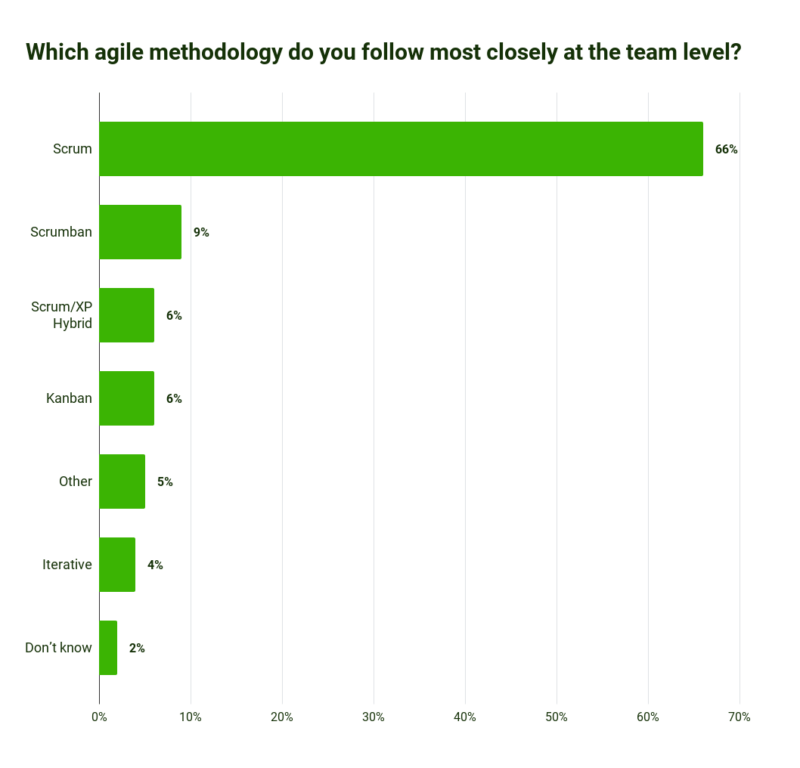
66% of companies use Scrum to improve delivery speed. Traditional project management assumes the future is predictable. It invests heavily in upfront planning, requiring detailed requirements documentation before any build phase starts.
Changes to the plan are seen as risks that need to be controlled through a formal process.
Scrum assumes that project requirements will evolve as users interact with the product. It breaks delivery down into short, iterative cycles (typically 1–4 week sprints).
This model views changing requirements as a competitive advantage, allowing teams to pivot based on real-time feedback.
Accountability and Ownership
If a project runs over budget by £150,000 or misses a critical regulatory launch date, the Project Manager is directly accountable to the executive board. They own the business consequences of delivery failures.
In contrast, a Scrum Master shares delivery accountability with the entire Scrum unit. If a sprint goal is missed, the Scrum Master is not singled out for blame. Instead, they lead a retrospective to figure out why the process failed and how the team can adjust its approach for the next sprint.
Similarities Between Scrum Masters and Project Managers
While their execution styles differ significantly, these roles share common ground. So, you don’t have to Quit Your Job, you can transition. They are different routes to the same ultimate destination. Now, What Does Scrum Mean in Project Management?
Focus on Delivering Successful Projects
At their core, both professionals want to deliver great products that provide real value to the business and its customers. Neither role is purely theoretical; both require a practical, execution-focused mindset to turn abstract corporate strategy into tangible results.
Team Coordination and Communication
Both roles serve as communication hubs. Excellent written and verbal communication skills are essential for both positions.
A Scrum Master needs strong communication to coach teams through conflict and facilitate complex workshops.
A Project Manager needs it to explain complex technical realities to non-technical executives and align diverse teams around a shared vision.
Stakeholder Collaboration
Neither professional operates in a vacuum. Both must navigate corporate politics, manage expectations, and maintain strong relationships with project stakeholders.
Whether it is a Project Manager presenting a status report to a steering committee or a Scrum Master helping a Product Owner manage stakeholder demands, both roles protect the delivery team from unrealistic business pressures.
Read Also:
Can a Scrum Master Become a Project Manager?
To answer the question Are Scrum Masters Project Managers properly, you must be able to answer this as well.
If you are mapping out your career, it is natural to wonder about flexibility: can scrum masters become project managers?
The answer is absolutely yes. The career transition between these roles happens frequently, and professionals who understand both frameworks are highly valued in the modern UK job market.
Transferable Skills Between Both Roles
A Scrum Master looking to transition into formal project management already possesses several highly desirable skills:
- Risk Mitigation: The Scrum Master’s habit of identifying and clearing daily blockers translates perfectly into managing a project risk register.
- Stakeholder Facilitation: The ability to align a cross-functional team during sprint planning is highly valuable when kicking off large corporate projects.
- Conflict Resolution: Managing diverse personalities in daily scrums prepares a professional well for managing broader project resource conflicts.
To make this transition successful, a Scrum Master simply needs to expand their business toolkit.
If you are looking into transitioning into a Tech Remote Job, learning corporate budget management, procurement, contract negotiation, and traditional status-reporting methods.
Career Progression and Opportunities
The scrum master career path does not have to end within an Agile delivery team. Understanding both execution styles opens doors to senior strategic roles.
A professional who masters both individual team coaching and macro-level business management can confidently target high-level positions.
These include Agile Programme Manager, Head of Project Delivery, PMO Director, or Enterprise Agile Coach, roles that shape how an entire organization delivers value.
Read Also:
Which Role Is Better for You?
Choosing between these two career paths requires honest self-reflection regarding your professional strengths, personality traits, and preferred working style.
Choosing Based on Personality and Work Style
You will likely thrive as a Project Manager if you enjoy big-picture business strategy, feel comfortable making high-stakes decisions, enjoy negotiating budgets, and like structured, predictable environments where you hold clear operational authority.
You will likely thrive as a Scrum Master if you are passionate about team psychology, enjoy coaching others, prefer collaborative workspaces over top-down hierarchies, and are comfortable navigating ambiguity and changing project scopes.
Career Goals and Industry Demand
Both roles remain highly sought after across the UK corporate landscape, but demand varies by sector.
If your goal is to work in pure software development, digital agencies, or fast-growing tech startups, the Scrum Master path offers direct access to those teams.
If you prefer working in heavy infrastructure, civil engineering, civil service, or traditional retail corporate transformations, classic project management skills remain highly sought after.
Scrum Master vs Project Manager Salary Comparison
SOURCE: IT JOB WATCH
Compensation remains a major factor when choosing a career path. Both professions offer excellent earning potential in the UK, but pay structures depend heavily on your experience, location, and industry sector.
Salary Expectations in the UK and Globally
The UK job market rewards both skillsets generously, reflecting the critical importance of project delivery.
| Experience Level | Scrum Master Salary Range (UK) | Project Manager Salary Range (UK) |
| Entry-Level / Junior | £42,000 – £63,000 | £30,000 – £40,000 |
| Mid-Level / Professional | £76,000 – £89,000 | £45,000 – £60,000 |
| Senior / Lead Consultant | £110,000 – £150,000+ | £65,000 – £100,000+ |
According to independent industry recruitment data from IT Jobs Watch, the median salary for project professionals holding recognized certifications sits comfortably around £63,076, with senior roles in London easily exceeding £77,500.
Concurrently, specialized contract market analyses from platforms like The Knowledge Academy show that experienced Scrum Masters can command average salaries between £76,000 and £89,000.
Senior consultants or independent day-rate contractors often secure between £500 and £900 per day depending on the complexity of the assignment. This is an enough answer to the question, Are Scrum Masters Project Managers?
Factors Affecting Pay in Both Roles
Your final compensation package in either role will be shaped by three main factors:
- Industry Sector: FinTech, banking, investment firms, and energy sectors consistently pay the highest salaries for both positions.
- Geographic Location: London and the South East of England continue to offer a salary premium compared to regional averages, though the rise of remote working has helped balance this gap.
- Professional Credentials: Holding industry-recognized certifications significantly increases your earning power. For project managers, credentials like PMP or PRINCE2 Practitioner are key. For Scrum Masters, advanced certifications like Advanced Certified ScrumMaster (A-CSM) or Professional Scrum Master II (PSM II) help secure top-tier pay.
Read Also:
Conclusion

Ready to transition into one of these high-paying delivery roles? Choosing between project management and Scrum can feel overwhelming, but you do not have to figure out your career pivot alone.
The RKY Careers Project Management and Scrum Master Bootcamp provides the perfect launchpad for your professional transformation.
This intensive, practical training program bridges the gap between theory and real-world execution.
You will gain hands-on experience with industry-standard tools, master both Agile and traditional delivery frameworks, and work on live projects that make your CV stand out to UK recruiters.
Do not let analysis paralysis hold your career back.
Enrol in the RKY Careers Bootcamp today and build the in-demand skills needed to secure your next six-figure corporate role.
Frequently Asked Questions
Is a Scrum Master the same as a Project Manager?
No, they are different roles. A Project Manager manages the overall project scope, budget, timeline, and resources.
Which is better, Scrum Master or Project Manager?
Neither role is inherently better; it depends entirely on your personal strengths and career goals.
Can a Scrum Master manage projects?
A Scrum Master can manage projects if they have experience with traditional project delivery methods, but doing so goes beyond the scope of a standard Scrum Master role.
Do Scrum Masters need project management skills?
While Scrum Masters do not need traditional project management skills like budget forecasting or contract management, they benefit immensely from core delivery skills.
What is the main difference between Scrum Master and Project Manager?
The main difference is their focus and authority. A Project Manager owns the project’s business outcomes, budget, and final scope using top-down authority. So if you are still doubting: Are Scrum Masters Project Managers, start having a rethink