What Salary Is Middle Class in Canada
Many people ask, “What salary is middle class in Canada?” The answer is not simple. It depends on the city, the province, the household size, and cost of living. Middle class is more than a number, it reflects stability, comfort, and the ability to cover basic needs while saving a little. We will an
Families often measure their financial health by how their income fits within middle class Canada by province and city standards. Understanding what is middle class income Canada helps households plan, budget, and make career or investment decisions.
In this article, we explore middle class salary Canada ranges, provincial differences, lifestyle implications, and ways to move into upper middle class Canada.
What Middle Class Means in Canada
Middle class in Canada is more than just an income level. It represents a lifestyle, security, and access to opportunities. Families in the middle class can meet their basic needs, pay bills on time, save for emergencies, and plan for the future.
Economists and social researchers use income brackets to define middle class status, but these ranges can vary depending on household size, location, and other factors.
Read Also:
Definitions Used by Economists
Economists often define the middle class using the national median income as a reference point. The median income Canada shows the midpoint where half of the households earn more and half earn less. In 2022, the median after-tax household income in Canada was $70,500.
Households earning 75% to 200% of the median are usually considered middle class. This wide range includes lower, core, and upper middle income households. This classification is important because it shows the spread of income classes Canada and highlights differences between regions and cities.
Household vs Individual Income
Middle class can refer to both individuals and households. For example, a single person earning $60,000 may be comfortably middle class in a smaller city.
A household with two earners making the same amount per person may have more disposable income. Understanding household income is important because it affects budgeting, lifestyle, and the ability to save or invest.
Read Also:
After-Tax vs Before-Tax Income
Income can be measured before or after taxes. Before-tax income is what people earn initially, while after-tax income is the amount available for spending. After-tax income better reflects financial comfort and spending power. Middle class calculations often use after-tax income to show what people can realistically afford.
Income Percentiles and Brackets
Income percentiles divide earners into groups. Households in the 40th to 80th percentiles usually fall into the middle class. This helps illustrate the differences between lower, middle, and upper income classes. The middle class covers a large portion of the population, highlighting its importance in shaping economic trends, consumption patterns, and housing markets.
Middle Class Salary Range in Canada (National Overview)
Middle class salary Canada ranges are based on the national median and its multiples. These ranges help families understand where they fit in income classes Canada and plan for financial security.
Lower Middle Class Range
The lower middle class earns about 75% to 100% of the median income. They can meet basic needs, such as housing, food, and utilities, but may have limited savings.
Many families in this bracket feel pressure in cities with high housing costs or rising inflation. For example, in 2022, Canadian inflation reached 6.8%, reducing real purchasing power.
Core Middle Class Range
The core middle class earns roughly 100% to 150% of the median income. Households in this group have more flexibility. They can cover expenses, save for emergencies, and invest in education or retirement. Most Canadian families fall into this category, which forms the backbone of the economy.
Upper Middle Class Range
Upper middle class households earn between 150% and 200% of the median. They enjoy greater financial freedom, higher savings, and investment potential. Many in this bracket qualify for upper middle class Canada status. They can afford larger homes, better education, and more comfortable lifestyles.
Across the country, these ranges provide a baseline for understanding income levels. The differences in cost of living Canada salary needs mean that the same income can feel middle class in one province and stretched in another.
Middle Class Salary by Province
Income levels vary across provinces due to wages, local industries, and living costs. Middle class Canada by province provides insight into how families’ lifestyles differ.
Ontario
Ontario has one of the largest middle class populations. Cities like Toronto have high housing costs, which pushes middle class salary Canada ranges higher. Many households need income above $100,000 to maintain a comfortable lifestyle.
British Columbia
BC has the highest cost of living in Canada. Vancouver’s housing market makes the upper middle class range necessary for most families. Median home prices in 2023 exceeded $1 million in the city center.

Alberta
Alberta’s energy and trade industries provide strong wages. Middle class households often earn more than the national median, with some enjoying upper middle class Canada status.
Quebec
Quebec has lower housing costs and strong public services. Families earning median incomes can live comfortably without extreme financial pressure.
Manitoba
Manitoba has moderate wages and lower living costs. A middle class lifestyle is attainable for most households, including home ownership in smaller cities.
Saskatchewan
Saskatchewan combines farming and energy jobs. Middle class salary Canada levels here often match or slightly exceed the national median.
Nova Scotia
Wages are lower, but the cost of living is moderate. Families may find it easier to reach middle class status compared to larger cities.
New Brunswick
Lower living costs help many households stay within middle income bracket Canada ranges without high income.
Newfoundland and Labrador
Income depends heavily on natural resources. Rural areas may have lower wages, while urban centers offer higher salaries.
Prince Edward Island
Stable wages and moderate costs make middle class living attainable for most households.
Territories (Yukon, Nunavut, NWT)
High living costs require higher middle class salaries. Income must account for more expensive housing, transportation, and groceries.
Middle Class Salary by Major Canadian Cities
Income ranges differ in major cities due to housing, transportation, and lifestyle costs. Knowing city-specific middle class salary Canada helps families plan budgets and career goals.
Toronto
Toronto has high housing costs. Households may need $100,000–$140,000 to comfortably stay middle class.
Vancouver
Vancouver has the highest housing prices. Median home costs exceed $1 million, making higher incomes essential for middle class families.
Calgary
Calgary offers strong wages and moderate living costs. Many households enjoy a comfortable lifestyle while staying within national middle class ranges.
Edmonton
Edmonton has lower housing costs than Calgary. Middle class households enjoy more disposable income, making savings easier.
Ottawa
Ottawa’s public sector jobs provide stable wages. Most households can maintain a comfortable middle class lifestyle.
Montreal
Montreal has lower housing costs and public services that help families maintain middle class living at moderate incomes.
Winnipeg
Lower housing costs allow middle class households to save and invest more compared to high-cost cities.
Halifax
Income growth is moderate. Middle class households face rising housing prices but maintain lifestyle stability with careful planning.
Factors That Influence Middle Class Status
Several factors shape who falls into middle income bracket Canada.
Household Size
Larger families need higher incomes to maintain middle class status. A single person may require much less income than a household of four.
Cost of Living Differences
Higher-cost cities require higher salaries to maintain similar lifestyles. Smaller provinces often allow families to live comfortably with lower income.
Housing Affordability
Housing is the largest expense for most households. Canadian home prices rose over 80% between 2005 and 2021.
Read Also:
Inflation and Economic Conditions
Rising prices reduce purchasing power. In 2022, Canada’s inflation rate reached 6.8%, affecting middle class families’ ability to save.
Access to Social Services
Healthcare, education, and childcare reduce household financial pressure. Regions with better services allow families to stretch income further.
How Middle Class Has Changed in Canada (2020–2026)
The middle class has evolved due to economic changes.
Rising Living Costs
Costs for housing, food, and transportation have risen faster than wages in many cities.
Wage Stagnation vs Inflation
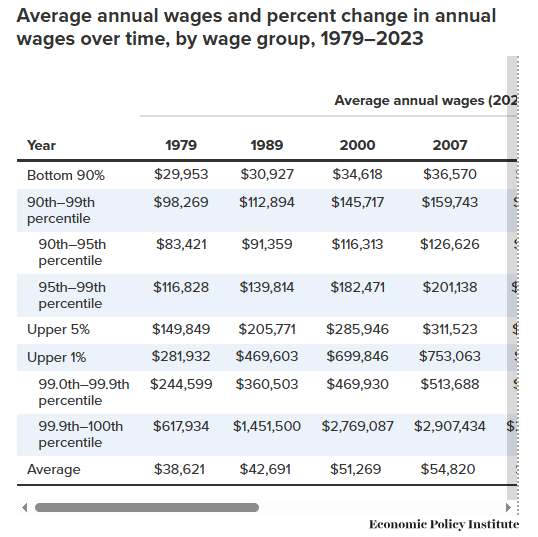
Wages have not kept up with inflation. Report says Real wages fell in several sectors between 2020 and 2023.
Shift Toward Dual-Income Households
More families rely on two incomes to maintain middle class status.
Growth of Upper Middle Class in Tech Cities
Tech-focused cities like Toronto, Vancouver, and Montreal have seen growth in upper middle class Canada households, with higher salaries and investment opportunities.
Salary vs Lifestyle — What Middle Class Affords in Canada
Middle class status affects lifestyle and financial security.
Home Ownership Possibility
Smaller cities allow home ownership for middle class families. In larger cities, housing costs make ownership more difficult.
Childcare and Family Expenses
Childcare is a major expense. Costs vary widely between provinces and cities.
Saving and Investing Ability
Some middle class households can save monthly or invest for the future. Others struggle to cover necessities.
Quality of Life Expectations
Middle class families expect secure housing, healthcare, and education. Comfort depends on cost of living Canada salary levels and household planning.
How to Move From Middle Class to Upper Middle Class in Canada
Moving from middle class to upper middle class Canada requires planning and strategy.
Upskilling and High-Income Skills
Acquiring in-demand skills, such as tech, finance, or healthcare, can increase earning potential.
Read Also:
Switching Industries
Industries like technology, healthcare, and engineering pay higher wages than some traditional sectors.
Side Income Streams
Part-time work or online businesses supplement household income, helping families save more.
Negotiating Salaries
Asking for raises or pursuing higher-paying roles moves families toward upper middle class Canada.
Read Also:
- How To Negotiate Salary After Job Offer
- How to Prepare for a Potential Salary Drop When Changing Careers
Conclusion
Middle class status in Canada depends on income, family size, location, and lifestyle. It also shifts as living costs rise and job markets evolve. Understanding what is middle class income Canada helps families plan, budget, and make informed career choices.
Families looking to move into upper middle class Canada can benefit from better skills, higher-paying jobs, and career guidance.
RKY Careers offers services to help people improve resumes, explore career paths, and find jobs that match Canadian salary tiers. Using their guidance, households can target higher income levels, achieve financial stability, and reach long-term goals.
FAQs
What salary is considered middle class in Canada?
Middle class ranges depend on province, city, and household size. Most households earn between 75% and 200% of the national median.
Is 100k considered middle class in Canada?
In smaller provinces, yes. In cities like Toronto or Vancouver, it may be closer to the lower middle class range due to high living costs.
What is middle class in Toronto?
Toronto has higher living costs. Families usually need well above the national median to maintain a comfortable middle class lifestyle.
Does household size affect middle class status?
Yes. Larger households require higher income to maintain middle class standing.