
How to Make 6 Figures in 2026
How to make 6 figures in 2026 is no longer about luck, long hours, or chasing job titles that sound impressive. Instead, it is about strategy, skill alignment, and timing.
As global industries evolve, income growth now favours professionals who understand where value is shifting.
This guide explains what six figures really means today, which skills drive earnings, and how career decisions made now shape financial outcomes in the near future.
What It Means to Earn 6 Figures in 2026
To earn six figures in 2026 means more than reaching a number on paper. Rising inflation, regional salary gaps, and lifestyle costs reshape how income feels in practice.
Understanding earning benchmarks, purchasing power, and market expectations helps professionals plan realistic, sustainable income growth paths.

Salary Breakdown UK
In the UK, a six-figure income typically begins at £100,000 before tax. In 2024, the Office for National Statistics reported that fewer than 5% of UK workers earn above this threshold. Highlighting how rare a 6-figure salary UK 2026 remains.
After tax, pension, and national insurance, take-home pay often falls closer to £60,000 annually.
Salary Breakdown US
In the United States, six figures usually start at $100,000 gross pay. According to the US Bureau of Labor Statistics in 2024, median earnings across all occupations remained below $60,000.
This gap explains why six-figure earners often occupy specialised, senior, or high-demand roles with advanced responsibilities and measurable business impact.
Cost of Living Impact
The cost of living significantly affects how far six figures stretch. In 2024, Numbeo data showed that housing costs in London and New York consumed over 35% of the average high earner’s income.
As a result, location choice, remote work options, and tax efficiency now matter almost as much as salary size itself.
Common Misconceptions
Many believe six figures guarantee wealth, comfort, or financial freedom. In reality, poor spending habits, lifestyle inflation, and debt can erase income advantages.
Another misconception is that only executives qualify, when data shows specialised contributors often out-earn managers through technical expertise and scarce, high-value skills.
Read also:
High-Income Skills That Will Pay 6 Figures
While industries shift rapidly, income follows value creation. Professionals who invest in scarce, scalable skills position themselves for premium compensation.
The focus is no longer on credentials alone but on problem-solving ability, adaptability, and the capacity to deliver results in competitive global markets.
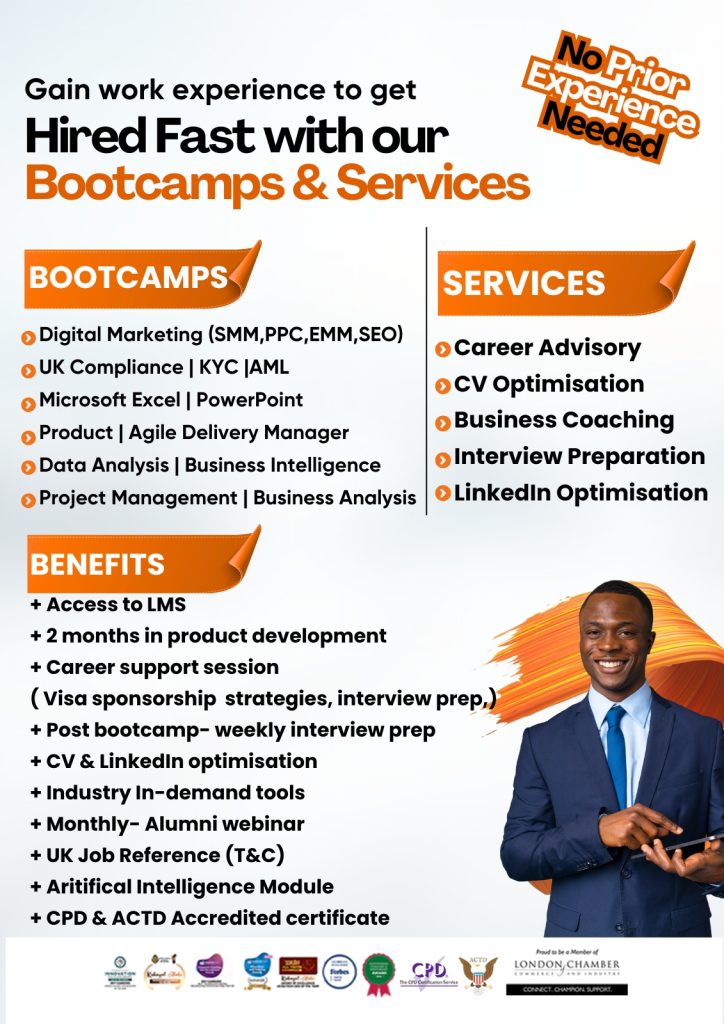
RKY Careers empowers professionals to break into six-figure tech roles through practical, job-focused bootcamps.
Our programmes build fundamental skills in tech, data, and digital roles aligned with employer demand.
Start your journey toward higher income with structured training and expert support.
AI & Automation Skills
AI-driven roles continue to surge as organisations automate processes and analyse vast datasets. LinkedIn’s 2024 Jobs Report showed AI roles growing over 30% year-on-year.
This explains why AI jobs 2026 are projected to dominate salary growth, particularly for machine learning engineers, prompt engineers, and automation specialists.
Tech & Engineering Skills
Software engineering, cloud architecture, and cybersecurity remain among the highest-paying careers 2026 projections highlight.
In 2024, Glassdoor reported senior engineers earning over £90,000 in the UK and $140,000 in the US. Demand continues to exceed supply, especially in regulated and enterprise environments.
Digital Marketing Skills
Data-led marketing has replaced intuition-based campaigns. Professionals skilled in analytics, conversion optimisation, and paid acquisition scale revenue directly.
HubSpot’s 2024 industry survey revealed performance marketers outperforming traditional roles by up to 40% in compensation when tied to measurable growth outcomes.
UI/UX & Product Skills
User experience and product strategy sit at the intersection of business and technology. In 2024, Product School reported senior product managers earning six figures across Europe and North America.
These roles reward professionals who align user needs with revenue, retention, and long-term platform growth.
Business Strategy Skills
Strategic thinking converts complexity into direction. Professionals who interpret data, assess risk, and guide investment decisions remain highly valued.
McKinsey’s 2024 insights showed companies paying premiums for strategy-focused roles that directly influence profitability, market expansion, and operational efficiency across sectors.
Leadership & Soft Skills
Leadership remains a force multiplier for income. Emotional intelligence, decision-making, and communication skills separate high earners from technical peers.
Deloitte reported that leadership capability increased the likelihood of promotion by more than 60%, reinforcing the role of soft skills in accelerating access to higher-paying roles.
Read also:
Best 6-Figure Career Paths for 2026
As income opportunities evolve, specific career paths stand out. Professionals who align their skills with future-focused roles increase earning potential faster.
By understanding which paths reward impact, flexibility, and scalability, individuals can make informed decisions that support long-term financial growth and career stability.
Tech Roles
Technology remains one of the strongest routes for those learning how to make 6 figures in 2026. Roles such as software engineering, cloud architecture, and data analysis command premium pay due to complexity and responsibility.
Professionals who build scalable systems and solve critical problems consistently access higher compensation bands.

Non-Tech Roles
High-income careers also exist outside technology. Senior sales professionals, operations managers, and compliance specialists often exceed earning thresholds.
The ability to make six figures without a degree is common in these paths, where experience, results, and industry credibility matter more than formal academic qualifications.
Hybrid AI-Enabled Roles
Hybrid roles combine functional expertise with AI tools. Professionals who apply automation within business, marketing, finance, or HR deliver greater value.
These roles reward individuals who understand both people and technology, enabling faster decision-making, efficiency gains, and stronger business outcomes that support higher earning potential.
Remote 6-Figure Roles
Remote work has changed access to income globally. Many professionals now pursue 6-figure remote jobs in 2026 while living in more affordable locations.
Employers increasingly prioritise skills over geography, allowing experienced professionals to compete for global roles without relocation constraints or reduced compensation expectations.
Freelance & Consulting Roles
Freelancing and consulting allow income to scale beyond fixed salaries. Specialists earn more by solving specific problems and delivering clear outcomes.
Professionals who build niche expertise, strong personal brands, and repeatable service offerings often achieve six figures faster through flexible client-based work models.
Read also:
Industries With the Highest 6-Figure Growth
Income growth accelerates in industries driven by innovation, regulation, and long-term investment. Specific sectors consistently reward expertise due to skills shortages and strategic importance.
Identifying these industries early helps professionals align training, career transitions, and experience with sustained earning opportunities.
AI & Machine Learning
Artificial intelligence continues to reshape work across sectors. Roles focused on machine learning, automation design, and AI governance attract premium pay.
This is why discussions around best high-income skills 2026 consistently highlight AI literacy, ethical implementation, and applied problem-solving as essential income-driving capabilities.
Cybersecurity
Cybersecurity remains a priority as digital risk grows. Organisations invest heavily in protecting systems, data, and customers.
Professionals with expertise in threat detection, risk management, and security architecture earn strong salaries due to the responsibility and critical nature of their work.

Health Tech
Health technology blends innovation with essential services. Digital health platforms, data systems, and AI-driven tools require skilled professionals.
Roles in product management, systems design, and analytics command high pay due to regulatory complexity, user impact, and the need for precision and reliability.
Fintech
Fintech continues transforming payments, lending, and financial access. Professionals who combine financial knowledge with technology expertise are highly valued.
These roles often outperform traditional finance careers due to faster growth, innovation cycles, and the ability to scale services across global markets.
EdTech
EdTech supports global upskilling and career mobility. Professionals working in learning platforms, digital curriculum design, and growth strategy are benefiting from the rising demand.
Those who understand both education outcomes and technology execution are positioned to earn premium compensation within expanding digital learning ecosystems.
Renewable Energy
Renewable energy offers long-term career security and strong earnings. Professionals in engineering, project delivery, and policy development support large-scale infrastructure transitions.
As sustainability goals expand, expertise in clean energy systems continues to attract competitive salaries across public and private sectors.
Read also:
How to Position Yourself for a 6-Figure Salary
Reaching a high income requires intentional positioning, not guesswork. Professionals who plan career development, personal branding, and market alignment increase their earning power faster.
By focusing on visibility, credibility, and value delivery, individuals can move closer to six-figure opportunities with clarity and confidence.
Upskilling With Relevant Courses
Strategic learning accelerates income growth. Short, focused courses aligned with in-demand skills often outperform traditional degrees.
Professionals targeting the fastest skills to learn for 6-figure benefits most from practical training that builds job-ready capability. This is especially true when paired with hands-on projects and real-world applications.
Crafting a High-Income CV
A high-income CV focuses on impact, not responsibilities. Employers pay for outcomes, leadership, and problem-solving.
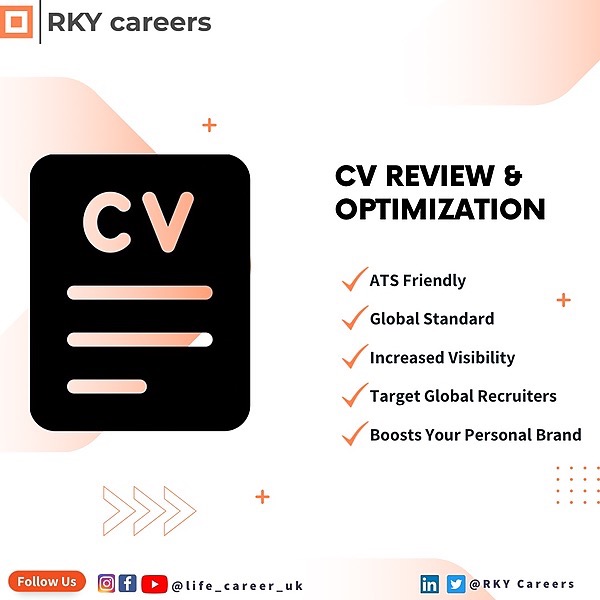
Clear metrics, strong keywords, and concise storytelling position candidates for senior roles. Tailoring CVs to each opportunity significantly improves interview rates and salary negotiation leverage.
Building a Portfolio
Portfolios demonstrate value faster than qualifications alone. Professionals who showcase projects, case studies, and results stand out immediately.
This approach is convenient for career changers and those pursuing career change to high-paying roles, as it proves capability even without traditional background alignment.
Developing a Strong LinkedIn Brand
LinkedIn has become a primary talent marketplace. Consistent posting, clear positioning, and visible expertise attract recruiters and clients.
Professionals who share insights, document learning, and highlight achievements often receive inbound opportunities that accelerate access to higher-paying roles and negotiations.
Leveraging Industry Networks
Networks create access before applications do. Building relationships with peers, mentors, and decision-makers opens doors to hidden roles.
Active participation in professional communities increases visibility, trust, and referrals, all of which play a critical role in reaching six-figure compensation levels.
Salary Benchmarking & Research
Understanding market rates is essential when learning how to earn more money UK professionals must research role benchmarks carefully.
Salary awareness strengthens negotiation confidence and prevents underpricing skills. Regular benchmarking ensures income growth keeps pace with experience, responsibility, and evolving market demand.
Read also:
Side Hustles That Can Make 6 Figures in 2026
Side hustles now rival traditional careers in income potential. Professionals who monetise skills outside full-time roles gain flexibility and scalability.
With the correct positioning, systems, and focus, side ventures can evolve into reliable six-figure income streams by 2026.

AI Automation Agency
AI automation agencies help businesses streamline operations using tools and workflows. This model appeals to professionals with technical curiosity and business understanding.
As demand grows, agency owners who deliver measurable efficiency gains can scale rapidly through recurring clients and service packages.
Social Media & UGC Creation
Content creation has matured into a high-income business. Professionals who produce authentic user-generated content for brands earn through retainers and campaigns.
Clear niches, consistent quality, and performance-driven storytelling allow creators to scale income beyond platform algorithms and short-term trends.
Consulting & Coaching
Consulting and coaching monetise experience directly. Professionals guide organisations or individuals through specific challenges. Clear frameworks, strong positioning, and outcome-based pricing enable faster income growth.
This path suits experts seeking autonomy while maintaining premium earning potential through focused advisory services.
Digital Products
Digital products create scalable income without trading time for money. Courses, templates, and tools solve repetitive problems.
Professionals who validate demand, deliver clear value, and market consistently can generate six figures through automation and global reach over time.
Freelance Tech Services
Freelance tech services remain in high demand. Developers, designers, analysts, and automation specialists command strong rates.
Professionals who package services, specialise in niches, and maintain strong client relationships often scale income beyond salaries while retaining flexibility and control.
Read also:
How to Negotiate a 6-Figure Salary
Negotiation is often the final barrier between strong compensation and a missed opportunity.
Professionals who approach salary discussions with preparation and confidence position themselves for higher outcomes. Understanding timing, value communication, and leverage allows candidates to secure pay that reflects actual contribution.
Preparation & Research
Effective negotiation begins before any conversation. Research role expectations, company structure, and market ranges thoroughly. Preparation builds confidence and credibility.
When professionals understand their value and the organisation’s needs, they avoid emotional decisions and negotiate from a position of clarity and control.

Value Positioning
Salary discussions should focus on value, not personal need. Framing experience in terms of business impact strengthens leverage. Employers respond better to outcomes delivered, risks reduced, and growth enabled.
Clear value positioning shifts negotiation from cost to investment, supporting higher compensation decisions.
Salary Anchoring
Anchoring sets the tone of negotiation. Introducing a well-reasoned range early shapes expectations and limits downward pressure. Strong anchors are supported by skills, experience, and a scope of responsibility.
This approach prevents low initial offers from defining the conversation or undermining long-term earning potential.
Counteroffer Strategy
Counteroffers require balance and professionalism. A strong response acknowledges interest while restating value. Clear justification avoids appearing confrontational.
Professionals who counter thoughtfully signal confidence and self-awareness, increasing the likelihood of improved offers without damaging trust or long-term working relationships.
Knowing When to Walk Away
Walking away can be a strategic decision. When compensation fails to reflect responsibility or growth, accepting less may limit future earnings.
Professionals who set clear thresholds protect their long-term value and signal confidence, often attracting better opportunities shortly after declining misaligned offers.
Mistakes That Stop You From Earning 6 Figures
Income plateaus often result from avoidable mistakes. Remaining passive, underinvesting in growth, or avoiding difficult conversations slows progress.
Recognising these patterns early helps professionals correct course, increase market value, and move closer to higher earning opportunities.
Staying in Low-Growth Roles
Low-growth roles limit income regardless of effort. Professionals who remain in stagnant positions often miss exposure to complexity and leadership.
Without progression opportunities, skill development slows. Regularly reassessing role trajectory helps ensure work aligns with long-term earning potential and career momentum.
No New Skills
Failing to update skills reduces relevance. As industries evolve, static skill sets lose value. Professionals who stop learning risk being overlooked for higher-paying opportunities.
Continuous development keeps expertise aligned with market demand and supports upward income movement over time.
Weak CV or Personal Brand
A weak CV or unclear personal brand hides value. Employers struggle to assess impact when achievements are poorly presented. Strong positioning communicates capability quickly.
Professionals who invest in clarity, storytelling, and visibility significantly improve access to interviews and higher salary discussions.
Avoiding Negotiation
Avoiding negotiation leaves money on the table. Many professionals accept first offers out of fear or discomfort. Over time, this compounds into large income gaps.
Learning to negotiate respectfully is essential for maximising compensation and establishing confidence in professional worth.

No Portfolio or Evidence
Without evidence, claims lack credibility. Portfolios, case studies, and documented outcomes prove capability. Professionals who rely only on job titles struggle to justify higher pay.
Tangible proof of results strengthens trust and accelerates movement into better-paying roles.
Timeline to Earning 6 Figures in 2026
Earning six figures rarely happens overnight. However, a clear timeline helps professionals set realistic expectations and take focused action. Progress depends on starting point, skill gaps, and consistency.
Understanding possible timelines allows better planning, motivation, and disciplined execution toward income goals.
3-Month Path
A three-month path focuses on rapid positioning rather than mastery. Professionals may repackage existing experience, improve CVs, refine LinkedIn profiles, and target better-paying roles.
This timeline suits those who are already close to six figures and need stronger visibility, negotiation skills, or access to higher-paying employers.
6-Month Path
Six months allows for focused upskilling and transition. Professionals can complete relevant courses, build portfolios, and apply for higher-paying roles.
This timeline works well for career changers who already possess transferable skills and want to move into better-compensated industries or functions.
12-Month Path
A twelve-month timeline supports deeper transformation. Professionals can learn new skills, gain practical experience, and build strong professional brands.
This path suits those starting from a position outside six figures, including individuals entering tech, AI, or consulting roles that require structured development and consistent execution.
What Speeds Up Results
Clear goals accelerate progress. Focusing on one high-income skill, seeking feedback, and applying knowledge quickly reduces wasted effort. Mentorship, accountability, and strong networks also shorten timelines. Professionals who prioritise execution over perfection tend to see faster income growth.
What Slows Down Progress
Lack of focus slows momentum. Jumping between skills, delaying applications, or avoiding visibility reduces results. Fear of rejection and poor time management also create setbacks.
Consistent action, even when uncomfortable, is essential for maintaining progress toward higher earnings.
Read also:
Best Courses to Help You Make 6 Figures
Courses provide structure, credibility, and speed. The right programmes shorten learning curves and improve job readiness.
Professionals who choose practical, outcome-driven training aligned with market demand position themselves more effectively for higher-paying opportunities across multiple industries.
Tech & AI Courses
Tech and AI courses build skills employers actively seek. Programmes covering data, automation, and software fundamentals support access to higher-paying roles.
These courses focus on real-world applications, helping learners demonstrate competence quickly through projects, problem-solving exercises, and practical assessments.
Digital Marketing Courses
Digital marketing courses teach revenue-focused skills. Learners gain experience in analytics, paid advertising, content strategy, and optimisation.
These programmes suit professionals who prefer commercial roles where performance drives pay, making them ideal for income-focused career growth.
Product & Design Courses
Product and design courses develop user-focused thinking. Learners understand how to translate business needs into functional solutions.
These skills support roles in product management, UX, and service design, where professionals influence strategy, customer experience, and long-term value creation.
Business & Strategy Courses
Business and strategy courses strengthen decision-making and leadership capability. Professionals learn how organisations grow, manage risk, and allocate resources.
These programmes suit individuals targeting senior, advisory, or consulting roles where strategic insight directly influences compensation levels.
Certification Programmes
Certifications add credibility and structure. They validate skills and reassure employers during hiring decisions.
When combined with experience and portfolios, certifications strengthen professional profiles and improve access to competitive roles, especially in regulated or specialist fields.
Final Thoughts
Six figures in 2026 is achievable with focus and strategy. Those who align skills with demand, build visibility, and negotiate confidently improve outcomes.
Progress requires consistency, adaptability, and patience. With deliberate action, income growth becomes a predictable result rather than a distant aspiration.
FAQs: How to Make 6 Figures in 2026
What jobs pay 6 figures in 2026?
Jobs paying six figures in 2026 include senior tech roles, AI-enabled positions, product management, consulting, cybersecurity, and specialised leadership roles. These jobs reward impact, responsibility, and problem-solving.
Can I earn 6 figures without a degree?
Yes, it is possible to earn six figures without a degree. Experience, certifications, portfolios, and measurable results often matter more. Many professionals earn high incomes by focusing on skills and outcomes.
What is the fastest 6-figure skill to learn?
The fastest six-figure skills are those with strong demand and short learning curves. Examples include automation tools, data analysis, performance marketing, and cloud fundamentals. Speed depends on focus and applying skills.
Are remote 6-figure jobs realistic in 2026?
Yes, remote six-figure jobs are realistic in 2026. Companies hire globally for specialised skills in tech, AI, product, and consulting. Professionals who demonstrate impact, manage their time well, and communicate clearly can access high salaries.