Scrum Ceremonies Explained Simply
Are you tired of endless, unproductive meetings that drain your energy and accomplish nothing? You are not alone. It’s a feeling that resonates with professionals everywhere. The truth is, there’s a better way to work.
They are a set of events that bring clarity and focus to your team. These events are designed to be short and impactful. They give your team a predictable rhythm.
This rhythm helps everyone work efficiently. It helps them stay aligned with their goals. We will break down each key event and explain why it is critical for your team. Enough talk; let’s get things underway.
What Are Scrum Ceremonies?
Let’s face it, traditional meetings often feel like a chore. They usually lack a clear purpose and can be a waste of time. But these scrum ceremonies, frequently called scrum events, are different.
Each meeting has a specific, time-boxed purpose. They are designed to promote collaboration. This collaboration helps build great products.
Simple Definition and Purpose in Agile
Scrum ceremonies are formal meetings. These are key components of the Scrum framework. These meetings help the Scrum Team and other stakeholders organise. It helps everyone adapt to changes quickly.
This is a crucial element of the agile scrum ceremonies approach.
We will provide you with an excellent Scrum ceremonies overview. In summary, they are scheduled checkpoints that provide a predictable routine. This routine helps teams focus on their deliverables. It ensures everyone stays on the same page.
Why Scrum Teams Rely on Ceremonies
Scrum ceremonies are not just an organisational chore. They are the heartbeat of the team. The meetings serve as a platform for communication. They are where feedback is shared. The meetings are where issues are resolved. They are fundamental to the process.
The 2023 “State of Agile” report revealed an interesting fact. They found that a staggering 90% of organisations now practice Agile. This underscores the importance of mastering agile meetings explained for all teams.
They help teams to achieve goals. Without them, the Scrum framework would collapse. The benefits of Scrum ceremonies are clear.
Read Also:
The Four Main Scrum Ceremonies
Scrum is based on four main events. We’ll break down each one. Each plays a distinct role and helps the team deliver value incrementally. This is the whole idea behind the framework. Here is a guide to Scrum ceremonies explained simply.
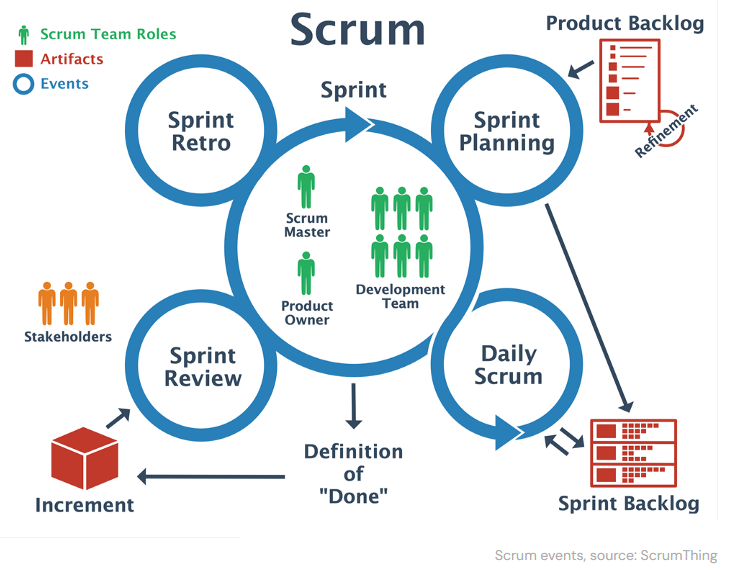
Image Credit: teamhood
Sprint Planning – Setting the Work for the Sprint
This is where it all begins. During Sprint Planning, the team discusses what to build next. The whole team collaborates on the plan. This plan will be completed in the next sprint.
The sprint is a short time period. It usually lasts between one and four weeks. The purpose of sprint planning explained is to clarify the work.
The team agrees on a specific Sprint Goal. They select Product Backlog Items to work on. This is done with the help of the Product Owner. Sprint planning ensures everyone understands the goal. It helps the team stay focused and gives Scrum its essence.
Daily Scrum (Stand-Up) – Quick Team Check-In
This meeting is the shortest of all. It’s a brief, daily meeting. The whole team attends it. The purpose of this meeting is to inspect progress. They also discuss potential impediments. This meeting is for the Development Team.
The goal of this meeting is to answer three questions. What did I do yesterday to help the team? What will I do today to help the team? And what are my blockers? This daily scrum for beginners is all about synchronisation.
It is not the Scrum Master’s responsibility to assign tasks. It is a way for the team to coordinate their work. This is how you master Scrum ceremonies explained simply.
Sprint Review – Demonstrating What Was Built
Look, this is a significant task. The Sprint Review is a collaborative meeting. The Scrum Team and stakeholders attend it. During this meeting, the team demonstrates the Increment. They also discuss the Product Backlog.
This meeting is an opportunity to showcase the work that has been completed. It is an opportunity to gather feedback. All feedback from stakeholders is essential. This feedback helps the team decide what to work on next.
Sprint Retrospective – Reflecting and Improving
Okay, I know what you’re thinking… Isn’t this the same as the review? Wrong! The Sprint Retrospective is different. The purpose is to inspect the process. The team discusses how they worked together.
The team then identifies ways to improve their process. This is the difference between a sprint review vs retrospective. This event is a critical part of Scrum ceremonies explained simply.
Sprint retrospective is a safe space for the team to reflect. They discuss what went well. They discuss what could have gone better. It is about continuous improvement. This is a crucial part of the Scrum framework.
Who Attends Scrum Ceremonies?
It’s not just a free-for-all. Every meeting has a purpose. The attendees at each event vary. Different roles have different responsibilities. This helps the team maximise their time.
Roles of the Product Owner, Scrum Master, and Development Team
The Scrum Team consists of three core roles. The Product Owner manages the Product Backlog. The Scrum Master facilitates the events. The development team handles all the work. Each of these roles is essential, as no team can succeed without them.
Understanding these Scrum ceremonies roles is key. The Scrum Master facilitates all of the Scrum events. The Product Owner attends all of the events. They provide clarification and guidance.
The Development Team is at the centre of all. They are the ones who get the work done. They must be present. Learning this is a key step to understanding Scrum ceremonies explained simply.
Stakeholder Involvement in Reviews
The Sprint Review is the only public event. It is open to all stakeholders. This could be anyone with an interest in the topic. It is a chance for them to provide feedback. This feedback helps shape the product.
In fact, a 2023 study showed that teams with strong stakeholder engagement are more successful. The study highlights the positive effect of stakeholder engagement. Sprint review ensures that the product meets the users’ needs.
This is what makes agile meetings explained to stakeholders so critical.
Read Also:
Benefits of Scrum Ceremonies
These events are not a bureaucratic hurdle. They are the lifeblood of an effective team, providing numerous tangible benefits. They help teams to perform better and create better products.
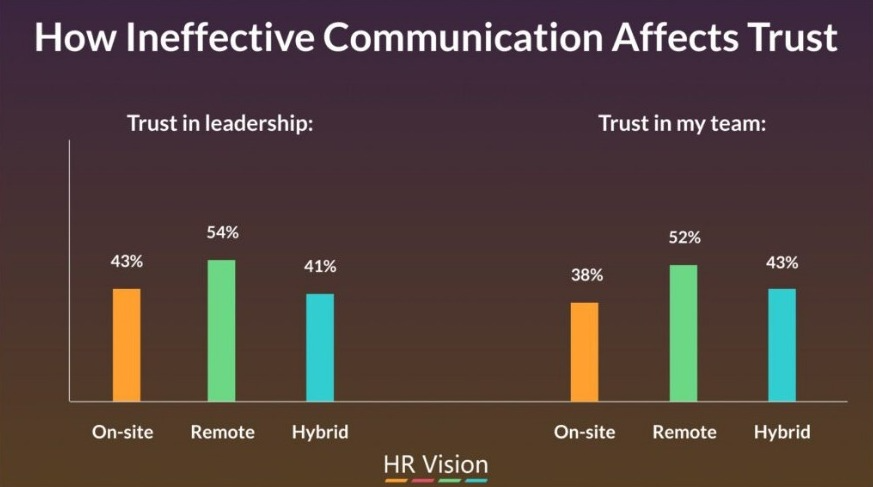
Image Credit: HR Vision
Clear Communication and Alignment
Perhaps unsurprisingly, one of the most significant benefits is improved communication. Scrum ceremonies provide dedicated time for teams to collaborate and discuss their work. This ensures everyone is on the same page.
It helps to avoid misunderstandings, leading to precise alignment. This is one of the key benefits of scrum ceremonies.
A 2023 study found a direct link. It found that effective communication boosts productivity by up to 25%. The study highlights that teams with regular meetings tend to work more effectively.
This makes the benefits of Scrum ceremonies even more compelling and is a key reason for their success.
Early Problem Detection and Adaptation
In traditional project management, problems are often discovered too late. But with Scrum events, that’s not the case. The Daily Scrum helps the team identify roadblocks early.
The Sprint Retrospective is for addressing root causes. These meetings help to solve problems. This is one of the core principles of Scrum ceremonies explained simply.
You see the difference? You can tackle issues before they become significant problems. This is the opposite of a reactive approach. You are proactive instead, allowing the team to adapt quickly and launch products efficiently. This ability is crucial for avoiding common Scrum mistakes. It helps them stay on track.
Continuous Improvement for Teams
The Sprint Retrospective is all about improvement. The team reflects on what happened. They identify one or two areas for improvement. They commit to making changes. This is a continuous process and a great way to grow as a team.
This revolving cycle of improvement is powerful. It allows teams to refine their process. A 2024 Gartner report emphasises the importance of agile skills for teams. This shows how scrum ceremonies explained simply can help a team get better.
Read Also:
Common Mistakes to Avoid in Scrum Ceremonies
Now that you understand the events, you should avoid common pitfalls. Misunderstanding these events can lead to frustration. It can lead to poor results. This is something you want to avoid.
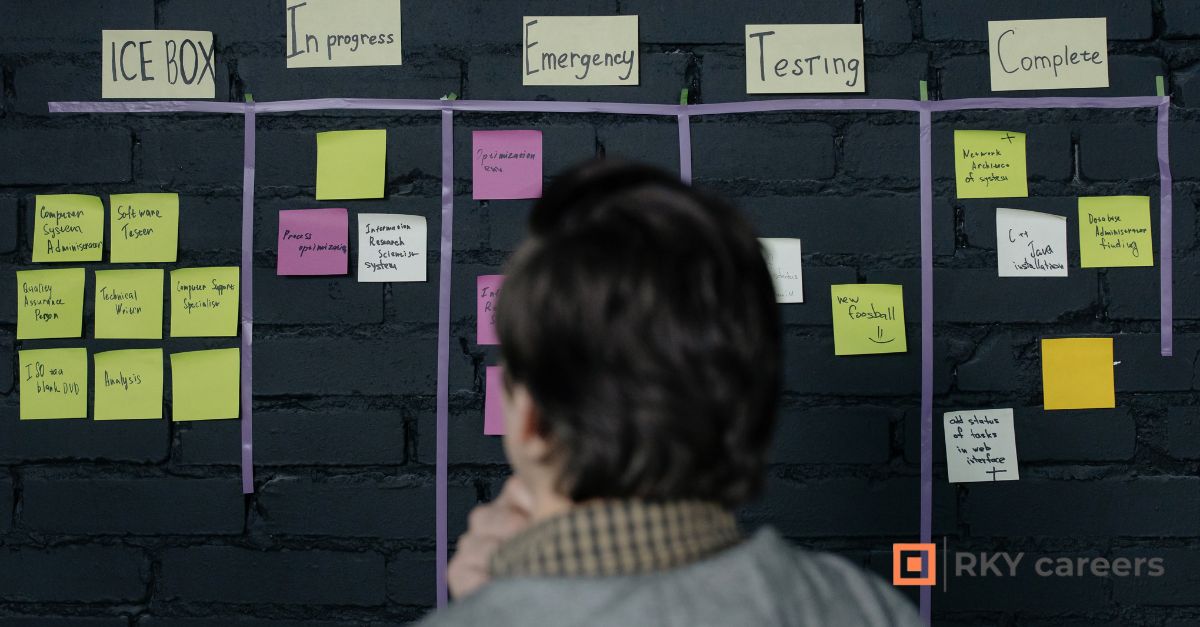
Turning Daily Scrum Into a Status Meeting
The Daily Scrum is for the Development Team. It is not the Scrum Master’s role to micromanage or for people to report on progress. It is for the team to synchronise their work. They must coordinate their work.
When you turn it into a status meeting, you lose the benefits. The team becomes less engaged. They see it as a waste of time. Don’t fall into this trap. A good daily scrum for beginners should be brief. It should be a productive check-in.
Skipping Retrospectives or Treating Them Lightly
Some teams skip the Retrospective. They think it’s a waste of time. They believe they are too busy for it. This is a big mistake. This is something that you must avoid. Skipping it breaks the cycle.
You see, the retrospective is where the real learning happens. Without it, you cannot improve. You repeatedly make the same mistakes.
This is why you must learn the difference between a sprint review vs retrospective. They both serve a different purpose. One is for the product, the other is for the process.
Overloading Sprint Planning With Too Much Detail
Sprint Planning can easily get out of hand. The team tries to plan every single detail. They try to account for every possibility. This results in a significant amount of wasted effort. It also leads to a loss of focus. This is a common pitfall.
Remember the purpose of sprint planning explained earlier. You only need enough detail to get started. You need to understand the work and agree on a goal. The details can be refined later.
Conclusion
We’ve now covered the Scrum ceremonies overview. These meetings are the engine of any effective Scrum team. They provide a structure for collaboration and help teams deliver quality products. They help them do it consistently.
By understanding their purpose, you can avoid common Scrum mistakes. You will be able to maximise their value. You will be able to lead your team. This will help you deliver better results. This will help you to grow as a professional.
Are you ready to take your career to the next level?
Your career is calling. Will you answer? Understanding and implementing Scrum Ceremonies Explained Simply is not just a skill; it’s your ticket to career acceleration.

At RKY Careers, our Product Management bootccamp goes beyond theory, providing you with practical, hands-on experience on live projects.
Join a supportive community, get expert mentorship, and access our career support services to land the job you’ve always wanted.
FAQs
What are the four main Scrum ceremonies in simple terms?
The four main Scrum ceremonies are Sprint Planning, the Daily Scrum, the Sprint Review, and the Sprint Retrospective. They help teams plan, track progress, demonstrate work, and improve.
How long should each Scrum ceremony last?
The duration of each ceremony is time-boxed. Sprint Planning should be no more than eight hours for a one-month sprint. The Daily Scrum is limited to 15 minutes in duration. The Sprint Review lasts up to four hours, and the Sprint Retrospective is limited to a maximum of three hours.
Can Scrum ceremonies work in remote or hybrid teams?
Yes. Scrum ceremonies are particularly effective for remote and hybrid teams. The key is to utilise collaboration tools, maintain good communication, and have a clear agenda for each meeting. This is a common practice today.
What is the difference between a Sprint Review and a Sprint Retrospective?
The Sprint Review focuses on the product. The team demonstrates what they have built to stakeholders. The Sprint Retrospective focuses on the process. The team discusses how they worked together to identify areas for improvement.