What is the role of a Scrum Master?
Have you ever considered this question: “What is the role of a Scrum Master?” or are you wondering, Are Scrum Masters In Demand? Simply put, it’s to help Agile teams work effectively within the Scrum framework. And yes! They are in high demand in the UK.
The Scrum Master acts as a coach, guiding the team in following Agile principles, facilitating collaboration, and ensuring everyone stays focused on delivering value.
Rather than managing in the traditional sense, a Scrum Master removes obstacles, encourages open communication, and creates an environment where the team can thrive. They work closely with developers, product owners, and stakeholders to keep goals clear and processes smooth.
In many ways, the Scrum Master is the glue that holds an Agile team together, helping them adapt quickly and continuously improve. Their role is essential to keeping the team aligned, motivated, and productive.
What Does a Scrum Master Do?

A Scrum Master’s work is about enabling teams to succeed. They create an environment where teams can deliver high-quality results without unnecessary delays.
Now, this is important. They focus on making sure Scrum rules and processes are understood and followed. They guide the team through Agile practices, encourage transparency, and promote teamwork.
Here’s the deal: they also protect the team from outside interference so they can focus on delivering value during each sprint. This makes them a vital part of any Agile or Scrum setup. Without a Scrum Master, teams often struggle to maintain momentum and hit their sprint goals.
Read Also:
Definition and purpose of the Scrum Master role
Source: Echometer
The Scrum Master is the person responsible for ensuring the Scrum process works as it should. They act as a bridge between the product owner, development team, and stakeholders.
But what is the role of a Scrum Master, exactly? It’s to make sure the team understands their goals and the best way to achieve them. They are not there to control but to guide. This is a role that requires patience, empathy, and the ability to motivate.
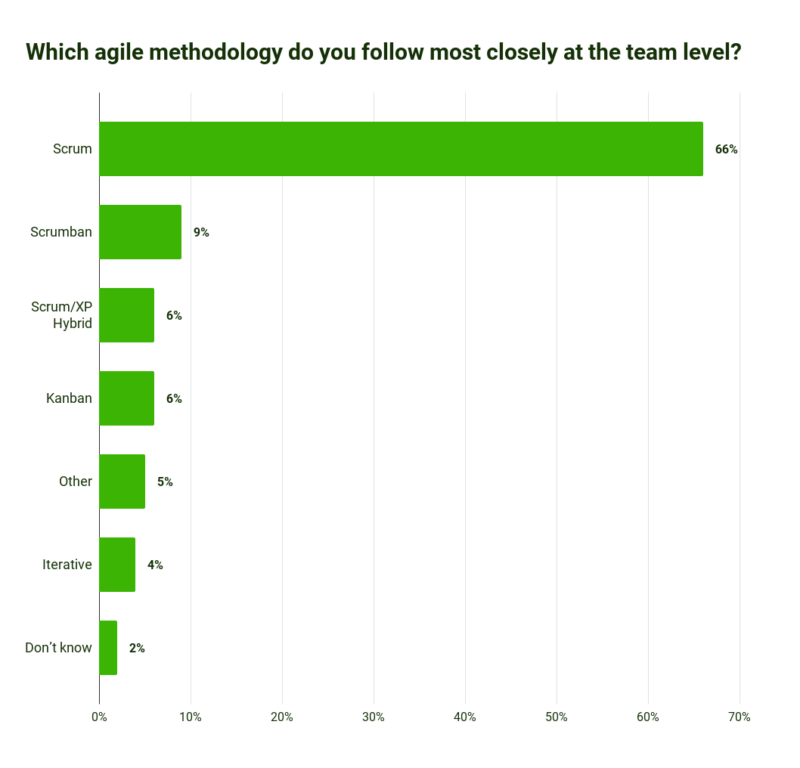
According to the 2023 State of Agile Report, 66% of companies use scrumto improve delivery speed. The Scrum Master ensures this speed does not come at the cost of quality.
If you’ve attended a Scrum Master bootcamp, you’ll know the focus is on creating self-organising teams. This is the heart of the role, helping teams own their process and succeed without micromanagement.
Key responsibilities in Agile and Scrum teams
Scrum Master responsibilities cover many areas. They make sure Scrum events happen, such as sprint planning, daily standups, sprint reviews, and retrospectives. These events help the team plan work, stay on track, and improve over time.
Now, here’s something we can both agree on: removing barriers is one of their most important jobs. This could be a technical issue, a lack of resources, or a process bottleneck.
They also promote the Agile mindset. This means encouraging flexibility, collaboration, and constant feedback. A good Scrum Master supports the product owner in keeping the backlog clear and ensures developers have what they need to deliver on time.
If you’re planning to step into this career, understanding these responsibilities is a key part of any Scrum Master bootcamp.
Differences between Scrum Master and Project Manager
The Scrum Master vs Project Manager comparison often confuses people. While both roles support teams, their focus is different.
A Project Manager oversees budgets, schedules, and scope, ensuring all project deliverables meet business requirements. They often have authority over the team and make direct decisions.
The Scrum Master, on the other hand, serves as a facilitator. They don’t assign tasks or control the team’s work. Instead, they guide the process, ensure Scrum principles are followed, and help the team self-organise.
Here’s an example: if a deadline is at risk, a Project Manager might reassign work or extend hours. A Scrum Master would instead work with the team to find ways to remove obstacles and improve workflow.
Core Responsibilities of a Scrum Master
Scrum Masters are key to keeping Agile projects moving. Their responsibilities go beyond simply scheduling meetings. They help teams focus on what matters most.
They make sure Scrum ceremonies happen on time, remove roadblocks, and encourage continuous learning.
But here’s the kicker: they also build trust within the team. This trust helps members share ideas freely, solve problems faster, and adapt to change more easily.
By promoting a culture of improvement, they ensure the team gets better with every sprint. These efforts create a healthy, productive work environment where everyone can succeed.
Facilitating Scrum ceremonies
Scrum ceremonies are the backbone of the Scrum framework. The Scrum Master ensures these meetings happen and run smoothly.
The key ceremonies include sprint planning, daily standups, sprint reviews, and retrospectives. Each has its purpose. Sprint planning sets goals. Daily standups track progress. Sprint reviews check outcomes. Retrospectives focus on improvement.
Now, why is this important? Without these ceremonies, teams lose alignment, and productivity drops.
For example, a Scrum Master might notice that standups are dragging on. They could coach the team on keeping updates short and focused.
A certified Scrum Master is trained to spot these issues and adjust the process to suit the team’s needs. This is a skill often taught in a Scrum Master bootcamp, ensuring professionals can keep teams on track and engaged.
Removing roadblocks for the team
One of the most valuable Scrum Master responsibilities is removing obstacles. These can be technical issues, unclear requirements, or delays in getting approvals.
But why is this so important? Roadblocks slow down progress and cause frustration.
Here’s an example: a developer might be waiting for access to a system to start their work. The Scrum Master steps in, contacts the right person, and gets it sorted. Problem solved, and the sprint stays on schedule.
A 2022 Harvard Business Review article noted that removing barriers can improve team efficiency by up to 20%. This makes it clear why this skill is essential.
A Scrum Master bootcamp prepares you to spot and address these problems quickly. It’s about creating a smooth path for the team to deliver value without unnecessary stress.
Coaching the team on Agile principles
Coaching is at the heart of the Agile Scrum Master role. They help teams understand and live by Agile values like collaboration, adaptability, and delivering value early.
They do this through workshops, one-on-one coaching, and everyday conversations. The goal is to help the team become self-organising and take ownership of their work.
By encouraging feedback and reflection, the Scrum Master creates an environment where teams can experiment and grow.
Attending a Scrum Master bootcamp can give you the tools and techniques to coach effectively, making you an asset to any Agile team.
Promoting a culture of continuous improvement
Continuous improvement means always looking for ways to get better. The Scrum Master promotes this by encouraging the team to reflect after every sprint.
Here’s the deal: improvement doesn’t have to be big. It can be a small tweak in how meetings are run or a new way to share updates.
By fostering a growth mindset, teams stay competitive and resilient. They learn to adapt quickly and deliver higher-quality work over time.
A certified Scrum Master understands that change is constant. They make sure the team embraces it rather than fears it.
Scrum Master bootcamp programs often stress this point because it’s key to long-term success in Agile environments.
See Also:
Key Skills and Certifications for Scrum Masters
The Scrum Master role requires a mix of soft and technical skills. These skills help them guide the team, solve problems, and keep projects moving forward.
Strong communication, leadership, and conflict resolution abilities are essential. They also need to understand Agile principles deeply and know how to apply them in real-world situations.
Here’s the deal: formal certifications prove your knowledge and commitment to the role. Many employers look for these when hiring.
Whether you’ve learned through experience or attended a Scrum Master bootcamp, having the right skills and qualifications can make you a top choice for Agile teams. Do well to note that there is a difference between the Agile Project Management And Scrum Master Certification UK
Communication and servant leadership
Servant leadership is about putting the needs of the team first. The Scrum Master leads by example, creating an environment where people feel supported and empowered.
This approach builds trust and encourages collaboration. It also helps team members take ownership of their work.
Strong communication is just as important. A Scrum Master must listen actively, explain concepts clearly, and ensure everyone understands goals and expectations.
For example, in sprint planning, they make sure the product owner’s vision is clear and that developers know what’s expected.
According to a LinkedIn report, 92% of hiring managers say soft skills like communication are as important as technical abilities.
If you join a Scrum Master bootcamp, expect to spend time practising these skills, as they’re key to success in this role.
Conflict resolution and team coaching
Conflict is natural in any team, but how it’s handled can make or break progress. The Scrum Master’s job is to resolve disputes quickly and fairly, keeping the team focused on goals.
They use coaching techniques to help members see different perspectives and find solutions together. This not only resolves issues but also strengthens team relationships.
Here’s an example: two developers disagree on how to approach a task. Instead of deciding for them, the Scrum Master facilitates a discussion where both can present ideas, leading to a better outcome.
A certified Scrum Master learns these skills through training, workshops, and real-world practice.
The bottom line? A team that trusts each other can work faster and produce better results. This is why conflict resolution is a core part of any Scrum Master bootcamp.
Top Scrum Master certifications
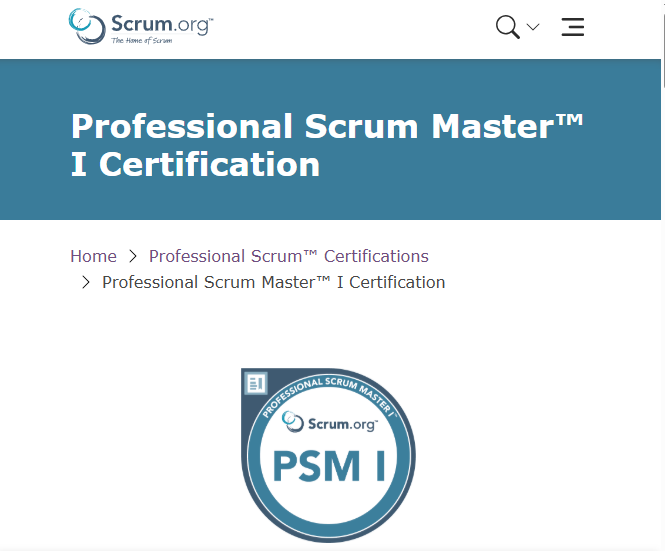
Several certifications can boost your credibility as a Scrum Master. There are several Scrum Master Bootcamps you can enrol for. The most popular scrum master qualifications certificates include:
- Certified ScrumMaster (CSM) from Scrum Alliance
- Professional Scrum Master (PSM) from Scrum.org
- SAFe Scrum Master (SSM) for scaled Agile environments
These certifications show employers you have the skills and knowledge to lead Agile teams, and you can pass the Professional Scrum Master (PSM I) Exam without Classroom in the UK
But stay with me, certification alone isn’t enough. You also need practical experience applying what you’ve learned.
According to Glassdoor, certified Scrum Masters in the UK can earn between £45,000 and £65,000 annually.
Many professionals start with a Scrum Master bootcamp to prepare for exams. These programs combine theory with hands-on exercises, making you job-ready faster. No
Scrum Master Career Path and Opportunities
The Scrum Master career path offers growth and variety. It’s a good one when thinking of when you want to decide what career is right for you. You can start in an entry-level position, gain experience, and progress to senior roles.
Some move into related positions such as Agile Coach or Product Owner. Others explore leadership roles in project or program management. You can look into these roles while Advancing Your Career as a Scrum Master .
The demand for Scrum Masters is growing, especially in tech, finance, and healthcare. This is due to more companies adopting Agile practices.
Whether you train through a Scrum Master bootcamp or on the job, the opportunities are wide open. It’s a career that rewards both skill and adaptability.
Entry-level to senior Scrum Master progression
Career Progression is important in any job, and this is why most Scrum Masters start in junior roles, often after working in related positions like business analysis or software development.
As they gain experience, they can move into senior Scrum Master positions, where they handle larger teams or multiple projects and also a much advanced scrum master job description.
Want to know the best part? Each step up offers the chance to make a bigger impact on the organisation’s Agile maturity. This is also told in How Much Do Scrum Masters Make.
According to Indeed, experienced Scrum Masters in the UK earn 20% more than entry-level professionals.
A Scrum Master bootcamp can speed up this progression by providing the skills and knowledge employers look for in senior roles.
Transitioning to Agile Coach or Product Owner roles
Some Scrum Masters choose to move into Agile Coach roles, where they work across multiple teams, guiding entire organisations in Agile practices.
Others transition to Product Owner positions, taking a more direct role in defining and prioritising product features.
Both paths require strong leadership, communication, and strategic thinking skills.
Here’s the kicker: the experience you gain as a Scrum Master is highly transferable. You learn how to balance stakeholder needs, manage expectations, and keep teams focused on value delivery.
A Scrum Master bootcamp can help you explore these options by providing exposure to different Agile roles.
Salary expectations and job outlook in the UK
The salary for Scrum Masters in the UK varies depending on experience, location, and industry. Entry-level roles typically start around £35,000 to £45,000, while senior roles can exceed £70,000.
The outlook is positive. With more organisations adopting Agile, the demand for skilled Scrum Masters continues to grow.
But why? Agile helps companies respond faster to change, deliver products more efficiently, and improve customer satisfaction.
Reports according to the Office for National Statistics, jobs in IT and project management have grown steadily over the past five years.
Investing in training, such as a Scrum Master bootcamp, can position you for higher-paying opportunities and greater job security.
Read Also:
Tools Scrum Masters Commonly Use
Scrum Masters rely on a variety of tools to keep teams organised and connected.
Scrum master tools include Agile project management platforms like Jira, Trello, and Asana for tracking tasks and progress. They also use communication tools such as Slack, Microsoft Teams, and Zoom to keep conversations flowing.
Or even better, they integrate these tools so updates are automatic and transparent.
A Scrum Master bootcamp often includes training in these tools, ensuring you can hit the ground running in any Agile environment.
Agile project management tools
Agile project management tools help teams plan, track, and deliver work efficiently.
Jira is popular for managing backlogs, sprint boards, and reporting. Trello offers a simple visual interface for task management. Asana combines task tracking with collaboration features.
- Jira
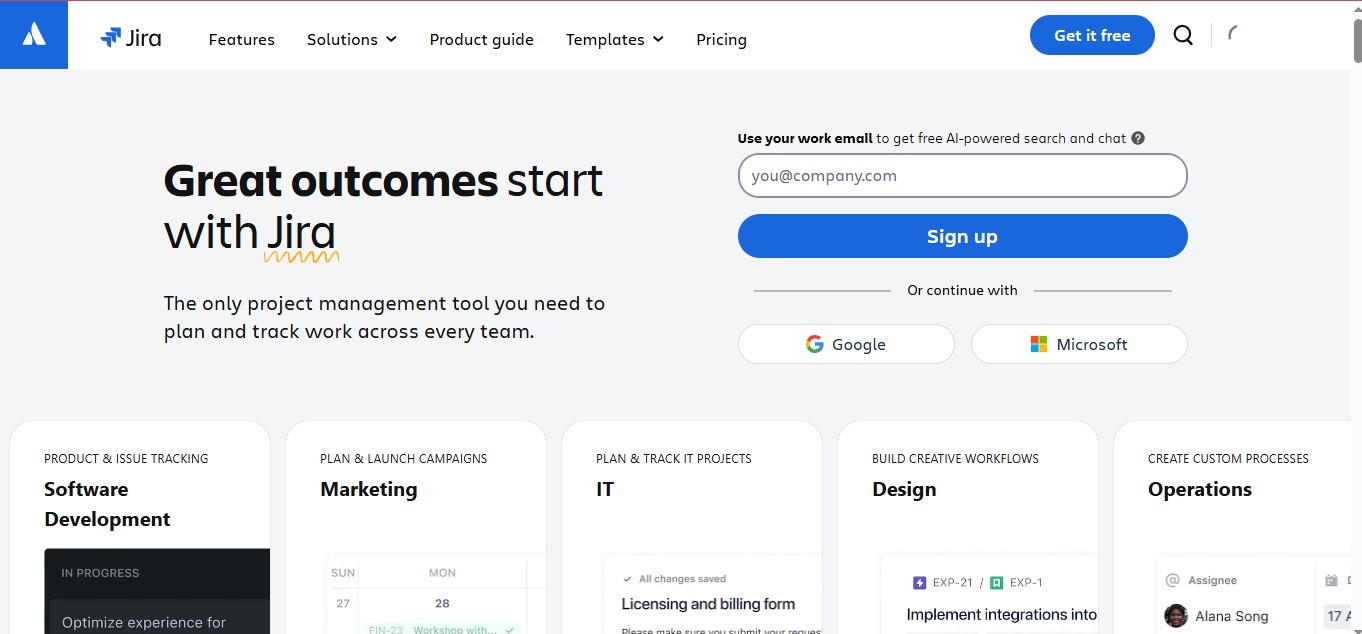
This is the heavyweight champion of Scrum tools. Used by 81% of Agile teams worldwide, Jira lets you manage backlogs, sprints, user stories, and burndown charts in one place . The best part? It integrates with tools like Bitbucket and Slack for a smoother dev pipeline.
- Trello
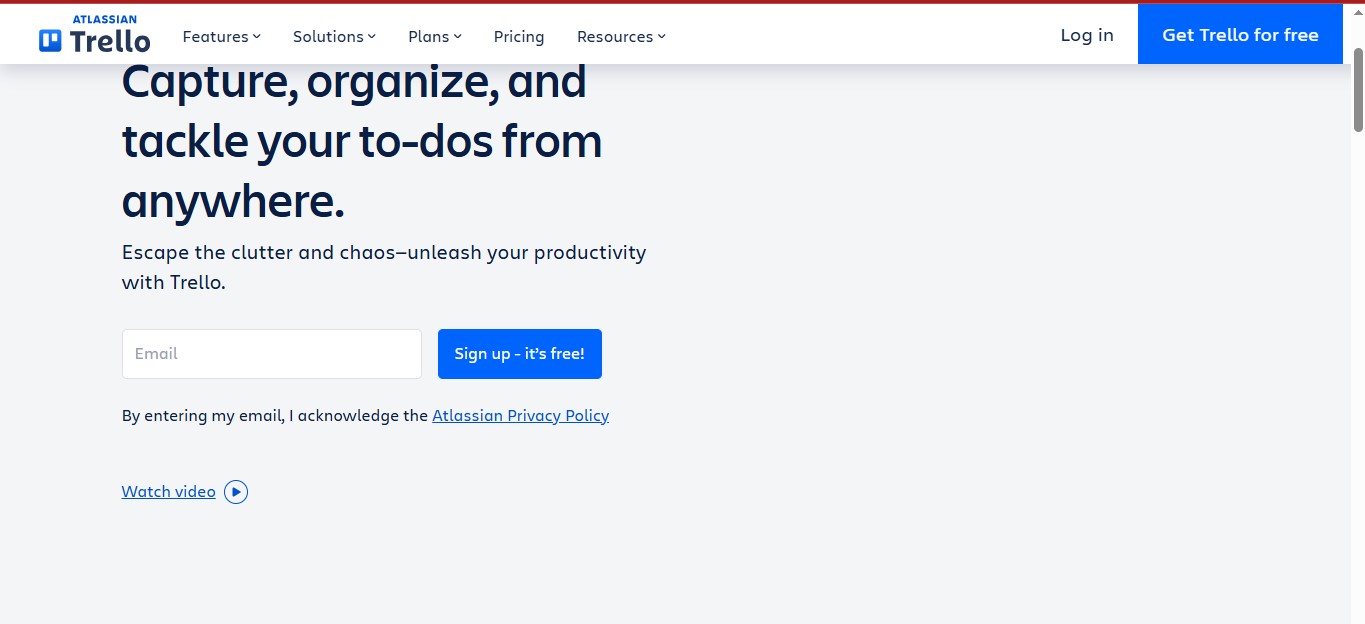
Lightweight, intuitive, and Kanban-style, Trello is ideal for smaller teams or non-technical squads. With 50+ million users globally, it’s perfect for quick visual task tracking . Add checklists, due dates, and automation rules, and you’re good to go.
- Asana
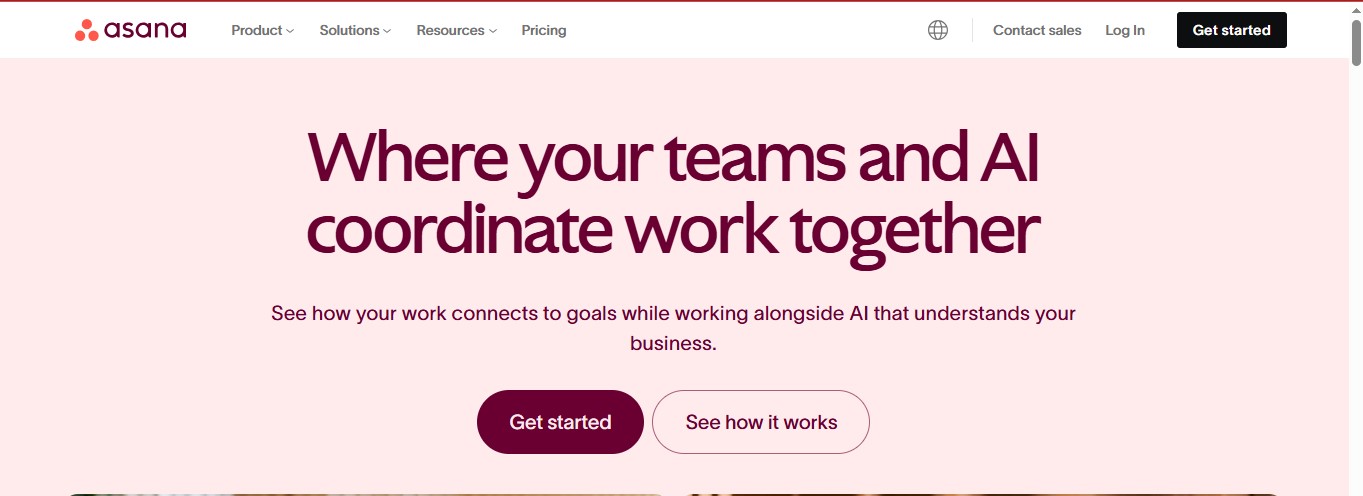
If you love visuals, you’ll love Asana. It supports Scrum and Kanban boards, timeline views, and workload charts. Many Scrum Masters use it to simplify cross-functional team collaboration.
- ClickUp
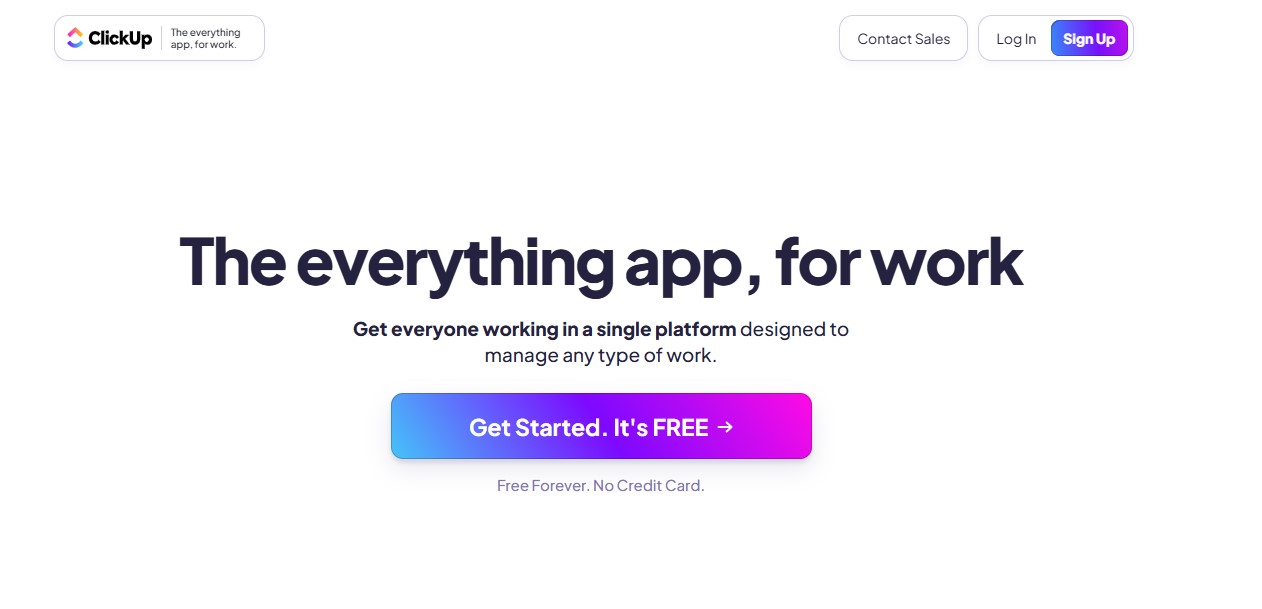
ClickUp’s all-in-one interface allows Agile teams to create docs, roadmaps, and sprints without switching tools. Startups and remote teams especially love it.
- Monday.com
This one’s sleek and scalable. It’s great for customising workflows and viewing real-time sprint progress through dashboards.
Here’s something we can both agree on: using the right tool makes it easier to maintain transparency and accountability.
A Scrum Master ensures the team knows how to use these tools effectively. This includes setting up workflows, tracking metrics, and integrating with other systems.
Training in these tools is often part of a Scrum Master bootcamp, giving you a competitive edge in the job market.
Communication and collaboration platforms
Effective communication keeps Agile teams aligned and productive. Scrum Masters use platforms like Slack for quick messaging, Microsoft Teams for structured chats, and Zoom for video meetings.
These tools support collaboration whether the team is in the same office or spread across different locations.
For example, a daily standup can be run over Teams, with follow-up notes posted in Slack. This keeps everyone informed and reduces misunderstandings.
According to McKinsey, companies with strong collaboration practices are 5 times more likely to be high-performing.
A Scrum Master bootcamp prepares you to choose and implement these tools effectively, ensuring smooth communication across the team.
See Also:
Conclusion
The role of a Scrum Master is more than just facilitating meetings or following processes. It’s about guiding Agile teams toward success, removing barriers, and fostering a culture of improvement.
Whether you’re new to the field or aiming to advance, skills like communication, servant leadership, and problem-solving are essential. I believe you can answer correctly if I ask you “what is the role of a scrum master”
If you’re ready to take the next step, training through a Scrum Master bootcamp can help you gain the confidence and credentials employers value.
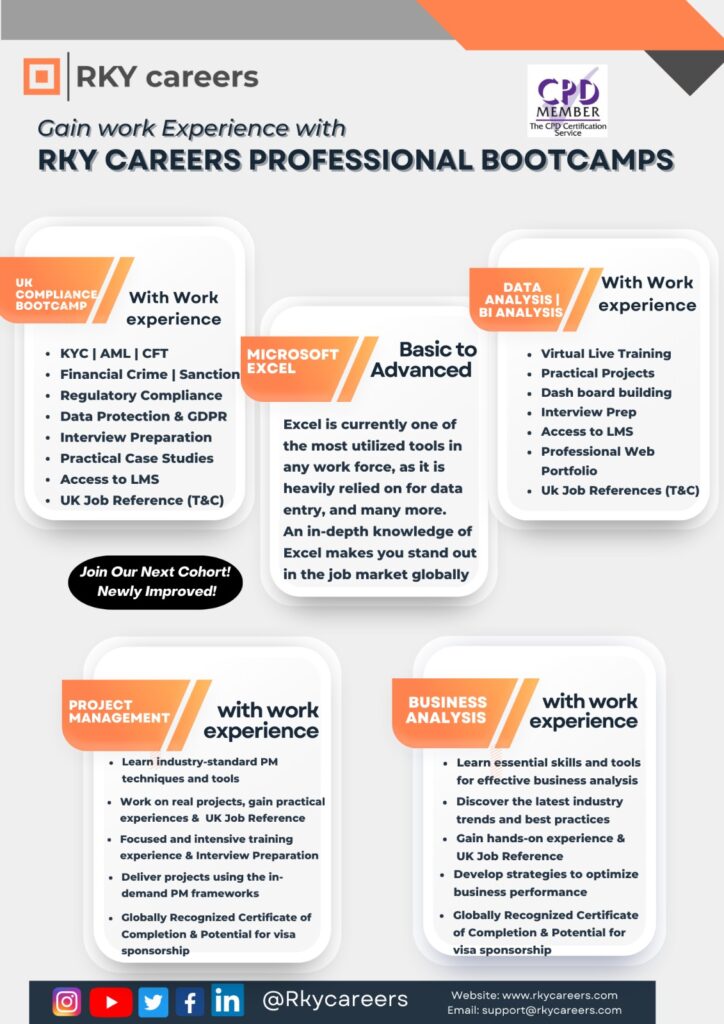
At Rky Careers, we provide Scrum Master bootcamps with CPD Accredited certification and other tailored career services, including CV writing, interview preparation, and job application support for aspiring Scrum Masters. Let us help you turn your career goals into reality and stand out in today’s competitive job market.
FAQs
Is a Scrum Master a manager?
No. They guide the process but do not manage the team’s work directly.
Do Scrum Masters need technical skills?
Not always, but a basic understanding of technology helps in removing obstacles.
How long does it take to become a Scrum Master?
It can take a few weeks if you attend a Scrum Master bootcamp, or longer if you gain skills on the job.
What industries hire Scrum Masters the most?
Tech, finance, healthcare, and government are among the top industries.