
How to Discover Career Pathway and Why It Counts
How to discover career pathway and why it counts has become one of the most critical questions for professionals today, especially in the UK job market.
In this article, we’ll walk through a simple and practical way to understand your path, gain clarity, and make choices that genuinely fit who you are.
You’ll learn how to recognise signs you’re off track, follow proven steps that work, and build a future-ready plan. By the end, you’ll see why your career pathway matters and how discovering it can shape your life in powerful and meaningful ways.

What Career Pathway Really Means
When we talk about a career pathway, we’re talking about the structure, direction, and purpose behind your work life. This section outlines what a pathway truly represents and why it serves as a long-term guide.
You’ll see how clarity, planning, and alignment create a strong foundation for career development, especially if you want a fulfilling and future-proof career.
Defining a Career Path in Today’s UK Job Market
In the UK job market, a career path refers to the direction, roles, and progression you choose as your work life unfolds. Think of this as a roadmap that helps you take charge of your future.
With industries shifting fast, clear choices matter more than ever. Many young professionals UK now look for work that aligns with their skills, values, and purpose.
With thoughtful planning, you gain a structure that supports your long-term goals, whether you’re just starting or considering a career change UK.
Why Career Path Discovery Matters More Than Ever
You need career path discovery now more than ever because the nature of work is evolving rapidly. With new technologies emerging, having a clear direction helps you stay prepared.
Recent UK data shows that 61% of workers planned to change roles in 2024. This shift highlights the growing need for career guidance and stronger self-awareness.
When you understand your path, you make smarter choices, avoid costly mistakes, and gain the confidence to succeed.
Read also:
Signs You Haven’t Found the Right Career Path Yet
There are moments when you feel off track, lost, or unsure. This section helps you recognise the signs that you haven’t found the right direction.
By understanding these indicators, you gain clarity about what needs to change. Saving you time, stress, and misaligned career decisions.
Feeling Stuck or Unfulfilled
If you often feel stuck or unfulfilled, it might be a sign that you’re not in the right role. Many professionals experience this when their jobs don’t match their strengths or interests.
In 2024, 48% of UK employees reported feeling disengaged at work. That’s a huge number, and it shows how common this struggle is.
When you feel disconnected, it becomes hard to stay motivated or plan your next steps. This is usually the moment to pause and reflect.
Constant Job Hopping Without Progress
If you find yourself constantly switching roles but not progressing, it may indicate deeper uncertainty.
Job hopping without a strategy can delay your long-term goals. When your decisions aren’t grounded in purpose, you may end up repeating the same cycle.
Once you gain clarity, your choices become intentional, and you start building momentum instead of circling the same patterns.
Lack of Motivation or Career Direction
If you’re waking up every day with little motivation or no sense of direction, your career may not align with who you are. Similar to 39% of UK workers who lacked long-term career plans according to the LinkedIn Workforce Report, 2024.
Without vision, it’s challenging to stay committed or inspired. You may feel lost, overwhelmed, or unsure of how to move forward. This is a strong sign that you need career path discovery to regain clarity and purpose.
How to Discover Career Pathway Using Intentional Steps
Discovering your career pathway requires intentional effort. We’ll explore how small, guided actions can create powerful breakthroughs.
With the right strategies, you’ll feel more confident about your direction and more equipped to build a future that fits your strengths.
Start With a Personal Career Audit
A personal career audit helps you understand where you are and what needs to change. This involves looking at your past roles, achievements, challenges, and patterns.
When you honestly assess your experiences, you gain career clarity that moves you forward. Just like 52% of workers who wished they had reviewed their careers earlier. I recommend taking time to reflect on what energises you versus what drains you.
Identify Your Strengths, Skills, and Natural Talents
Learning to recognise your strengths is one of the most important steps in discovering your career direction. When you focus on finding your strengths, you unlock more profound insights about what roles you’re naturally built for.
When you know what you’re good at, you make better decisions about your future. Clarity about your strengths helps you move forward with confidence and purpose, without feeling overwhelmed.
Use Career Assessment Tools for Clarity
Career assessment tools are beneficial when you’re unsure about your next step. They offer structured guidance that helps you uncover your personality, workplace preferences, and potential career fit.
Tools like Myers–Briggs Type Indicator (MBTI), Skills Profiler (by National Careers Service UK), MAPP Career Assessment, and Talent Q Assessments support you in choosing a career path that aligns with your strengths.
Explore Industries and Roles That Match Your Profile
Once you have clarity on your strengths, it’s time to explore industries that match your profile. This step encourages you to research opportunities, growth patterns, and roles that align with your goals.
With how to find the right career becoming a major challenge today, exploration gives you the flexibility to refine your direction.
When you explore options that fit your strengths, you make smarter choices.
Speak With Mentors, Coaches, or Senior Professionals
Talking to people who have walked the path before you can bring powerful clarity. Mentors give you real insights into industries, challenges, and opportunities.
They also help you avoid mistakes and choose smarter paths. A 2024 UK survey indicated that mentored professionals were 43% more likely to progress faster in their roles.
When you seek career guidance from coaches or experienced professionals, you gain practical knowledge you cannot find online. Speaking with mentors is a step many skip, but it’s one of the most impactful.
Try Projects, Courses, or Low-Risk Experiments
Experimenting with small projects or short courses helps you test roles without major commitments. These low-risk steps give you real insights into what you enjoy.
This approach can also support career change UK professionals who want clarity before switching fields.
When you experiment, you get hands-on experience that reveals what suits you. These small decisions help you avoid costly mistakes.
Why Career Pathway Discovery Counts for Long-Term Success
Understanding your career pathway is essential for long-term success. With the right direction, your motivation increases, your confidence grows, and your progress becomes steady.
Discovering your pathway is more than a decision; it’s an investment in the future you want.
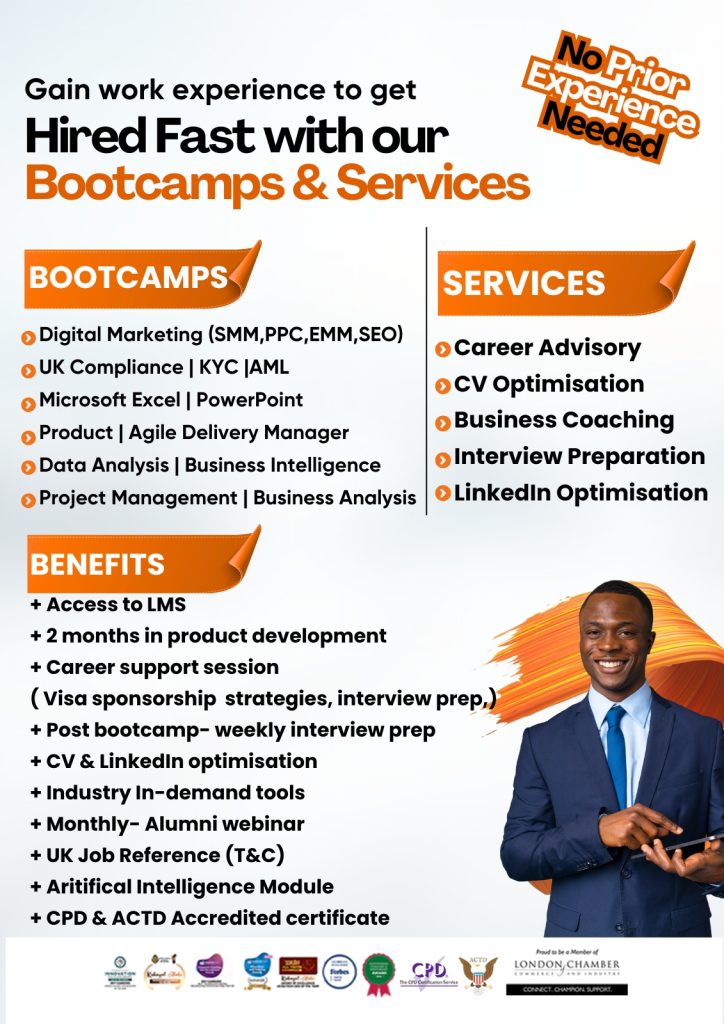
Ready for a personalised roadmap?
RKY Careers is here to help uncover your strengths, define your direction, and build a strategy that truly aligns with your goals.
Helps You Build a Clear Career Roadmap
When you discover your true direction, you gain the clarity needed to build a strong career roadmap. This roadmap provides structure, guidance, and a long-term vision. Without it, your choices may feel scattered or reactive.
A career roadmap helps you stay focused and aligned. When your goals are clear, it becomes easier to prioritise responsibilities and plan your next steps. With a roadmap, your journey becomes strategic instead of uncertain.
Prevents Costly Career Mistakes
Career mistakes often happen when decisions are rushed or made without clarity. When you understand your path, you’re less likely to waste time or energy pursuing roles that don’t fit.
Many people make choices based on trends, pressure, or confusion. But with thoughtful planning and insight, you avoid these traps.
By choosing a career path intentionally, you avoid repeating cycles of frustration.
Read also:
Supports Faster Career Growth and Promotions
A strong career development strategy also helps you position yourself for promotions. According to a 2024 workforce study, employees with long-term plans advanced 34% faster.
When you’re intentional, you invest in the right opportunities. Instead of drifting, you build momentum. This is why clarity is powerful; it helps you stand out, gain recognition, and grow steadily.
Boosts Your Confidence, Motivation, and Performance
When you understand your career direction, your confidence naturally grows. You start feeling more secure, motivated, and energised.
This improvement comes from working in roles that match your strengths and values. When you’re aligned, you show up more fully and confidently. This also improves your mental well-being.
With clarity, every step you take feels meaningful, and you approach your work with stronger motivation and purpose.
Common Mistakes People Make When Choosing a Career Path
Many people unintentionally make mistakes that push them off track. This section outlines the most common errors to help you avoid them. It also highlights How to Discover Career Pathway and Why It Counts.
By understanding these pitfalls, you make better decisions. Remember, choosing a career path requires clarity, honesty, and strategy.
Following Trends Without Self-Assessment
One major mistake people make is following trends instead of understanding themselves. Many choose careers because they seem popular or profitable, but trends change quickly.
Without proper self-assessment, it’s easy to end up in roles that don’t suit your strengths. You must first understand your strengths, preferences, and values.
When you take time to reflect, you gain career clarity that leads to better decisions. Avoiding trend-chasing helps you build a career rooted in long-term purpose.
Relying Solely on Salary as Motivation
Salary matters, of course! But it shouldn’t be your only focus. Many professionals choose roles based solely on income, only to realise later that the work does not align with their values or strengths.
In 2024, 41% of UK employees reported job dissatisfaction despite high salaries. When you choose based only on pay, you risk burnout and frustration. Instead, balance financial goals with alignment, growth, and purpose.
Ignoring Skills You Already Have
Ignoring your current skills can lead to wasted time and missed opportunities. Many people overlook the abilities they already possess while searching for something new.
Your existing skills are valuable clues that guide your direction. When you take time to reflect on what you already do well, you create a clearer foundation for future decisions.
Discovering your transferable skills help you choose paths that feel aligned and achievable, rather than overwhelming.
Career Path Discovery Tips for Career Changers in the UK
Career changers often face uncertainty, but transition becomes easier with the right strategies. This section offers guidance tailored to the UK market.
You’ll learn how to evaluate your strengths, meet industry expectations, and focus on roles with future demand.
Mapping Transferable Skills
When shifting careers, transferable skills become your strongest advantage. These include communication, leadership, problem-solving, and digital skills.
When you map these skills, you gain insights into roles you can transition into with confidence. This process also supports how to find the right career by highlighting options you may not have considered.
Understanding UK Industry Requirements
Each industry in the UK has unique expectations, skill needs, and qualification standards. Understanding these requirements is essential for a successful transition.
Career planning UK guidelines indicate that sectors such as technology, healthcare, and sustainability saw significant growth in 2024.
When you research industries, you become aware of the certifications, training, and competencies required. This helps you make informed decisions instead of guessing your way forward.
Narrowing Down Job Options Based on Future Demand
Focusing on roles with long-term demand ensures you choose paths with stability and growth.
When you narrow your options based on future demand, you reduce risk and increase long-term security.
This helps you pursue opportunities that remain relevant rather than decline. By aligning your strengths with growing industries, you set yourself up for meaningful and sustainable success.
How to Build a Career Roadmap Once You Discover Your Path
Once you understand your pathway, the next step is building a structured plan. This section explains how to set goals, plan training, and create a career development strategy that fits your future.
With a clear roadmap, your growth becomes predictable, intentional, and aligned with your strengths. This structure helps you transform clarity into real progress.
Set Short-, Mid-, and Long-Term Career Goals
Goal-setting gives you direction, structure, and measurable progress. When you divide your goals into short-, mid-, and long-term phases, you build momentum.
This also helps you stay motivated and accountable. When you set goals, you transform vision into practical steps.
Clear goals also make your career roadmap more effective, helping you stay aligned with your purpose and strengths. With each goal reached, you gain confidence and clarity about your next steps.
Plan Required Certifications or Training
Certifications and training strengthen your career profile and improve employability. Many UK industries now require role-specific qualifications to remain competitive.
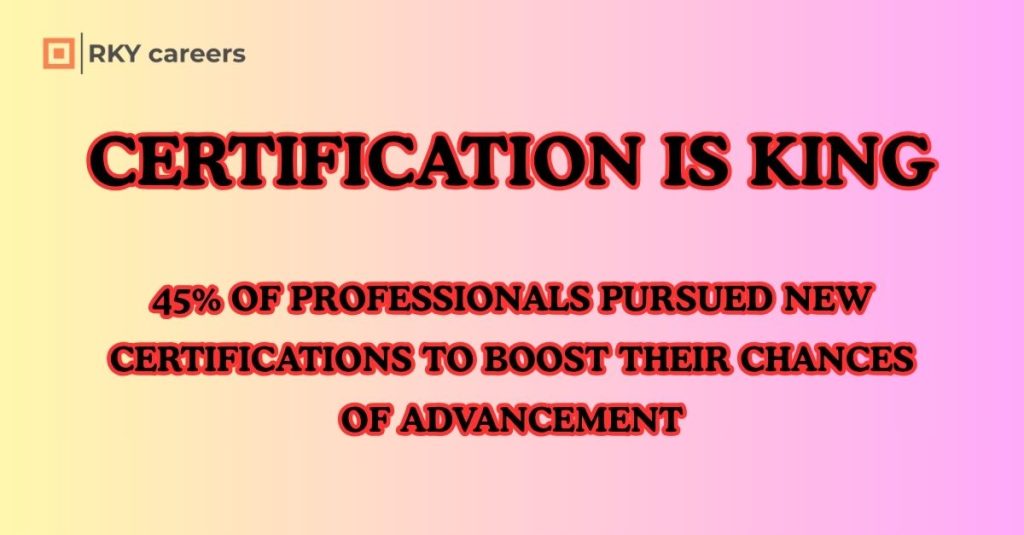
According to 2024 training statistics, 45% of professionals pursued new certifications to boost their chances of advancement.
When you invest in learning, you build the skills needed for the roles you want. This is also essential for choosing a career path that leads to growth and stability. Training is not just an option; it’s a long-term career investment.
Build a Career Development Strategy That Works
A strong career development strategy helps you connect your goals, strengths, and future plans in a structured way. This strategy keeps you accountable and ensures steady progress.
Additionally, it helps you track achievements, identify gaps, and refine your direction. A strong strategy ensures every step you take aligns with your long-term goals, making your journey more successful and fulfilling.
Final Thoughts — Your Career Pathway Shapes Your Entire Future
How to Discover Career Pathway and Why It Counts? Your career pathway impacts your happiness, confidence, and long-term success. This journey shapes your identity and opens doors to meaningful opportunities.
Remember: clarity creates confidence, and confidence creates progress.
FAQs: How to Discover Career Pathway and Why It Counts
1. What is a career pathway?
A career pathway is the structured direction your professional life follows. It includes the roles, skills, and experiences that build your long-term journey.
2. Why is discovering your career pathway important?
Discovering your pathway is important because it brings clarity, confidence, and purpose. It prevents mistakes, speeds up your growth, and helps you choose roles that fit your strengths.
3. How do I know the right career path for me?
You know the right path when your strengths, values, interests, and goals align with your role. Pay attention to what energises you and what feels meaningful.
4. How long does it take to find a career path?
Finding a career path varies for everyone. Some people discover it quickly, while others take months or years. What truly matters is moving with intention.