Agile Business Analyst Training Course UK for Career Changers
If you’ve been thinking about a new direction, an Agile Business Analyst Training Course UK could be just what you need.
Here’s why.
It’s designed to help career changers and professionals like you gain fundamental, job-ready skills. Transforming your business analyst resume into a job-winning tool.
Whether you’re coming from admin, IT, finance, or project work, you’ll learn how to apply Agile business analysis tools in real-world situations.
This training not only builds your confidence but also provides a CPD, UKRLP, and ACTD-recognised business analyst Agile certification UK.
By the time you’re done, you’ll be ready to explore Junior Agile BA jobs UK and beyond.
Keep reading, what you discover might surprise you!

What Is an Agile Business Analyst Training Course UK?
Are you curious about what an Agile Business Analyst Training Course UK involves?
You’re in the right place. Think of it as a structured path that helps you build strong, job-ready Agile skills.
This course teaches you how to blend analysis with Agile thinking, enabling you to support product teams, manage change, and drive business value.
The best part? It’s designed for people like you, whether you’re new to tech or pivoting your career into business analysis.
Role of an Agile Business Analyst explained
Agile teams move fast.
That’s where Agile Business Analysts come in.
In short, they bridge the gap between business needs and technical delivery.
You see, most Agile projects require someone who understands the customer, the data, and the workflow. That’s you.
Your job will involve supporting the product owner, leading requirements analysis sessions, and helping teams prioritise the right tasks.
You won’t just gather requirements; you’ll drive clarity, unblock development, and validate what the business truly needs.
If you can turn business needs into clear, Agile-ready plans, your team succeeds faster. And that makes you essential.
Read also:
Why Agile BA certification matters in 2025’s job market
Here’s the deal: Agile isn’t going away. As of early 2024, there were over 20,000 unfilled analyst roles in the UK.
So why does a business analyst Agile certification UK matter?
It proves that you have the tools and mindset to help teams adapt and thrive.
Certification from an Agile Business Analyst Training Course UK shows you’re trained and tested for real-world scenarios. It’s like flashing a badge that says, “Yes, I know how to deliver value fast.”
If you’re looking to stand out in a tough hiring market, certification is your secret weapon.
Who benefits most from this course (career changers, project professionals, analysts)
If you’re switching careers or aiming for a more future-proof role, this is your chance. Agile BA training for career changers helps professionals from fields such as customer service, administration, or finance transition into tech and project work.
But that’s not all. If you’re already a project manager or analyst and want to align with Agile ways of working, this course fills in the gaps.
You’ll finally understand terms like epics, sprints, and MVPs. You’ll learn how Agile projects run.
Key Modules in Agile Business Analyst Training UK
The Agile Business Analyst Training Course UK is designed to give you a deep, hands-on understanding of Agile techniques, frameworks, and BA responsibilities.
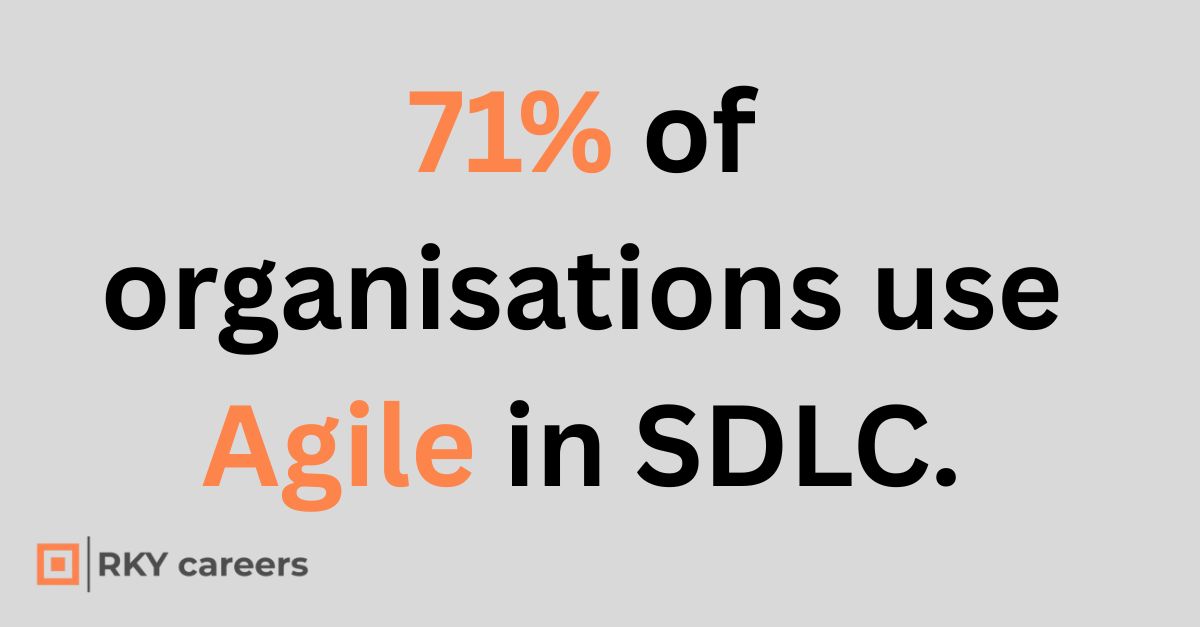
The 17th State of Agile Report states that 71% of organisations use Agile in their software development lifecycle.
You’ll explore Agile theory but also dive into practice with tools, case studies, and simulations.
You’ll learn how to gather requirements, write user stories, and engage stakeholders. All with an Agile mindset. And it’s all delivered in an easy-to-follow format that helps you build your confidence fast.
Agile frameworks and Business Analysis fundamentals
What frameworks are covered?
First, you’ll explore Scrum, the most widely used Agile method in the UK.
You’ll also touch on Kanban, Lean, and Waterfall. And here’s why that’s important: companies mix frameworks. By learning several, you’re job-ready across industries.
You’ll also learn the core principles of business analysis. Activities such as stakeholder mapping, gap analysis, and business analyst investigation techniques.
When you finish, you’ll understand how to lead Agile initiatives, manage uncertainty, and align teams behind shared goals. Simply put, it’s a game-changer for future Agile business analyst course UK graduates.
Requirements elicitation and user stories
The truth is that poorly written requirements can break projects.
That’s why your Agile Business Analyst Training Course UK gives you detailed lessons on requirements elicitation. This means you’ll learn how to ask the right questions, run practical workshops, and utilise visual models to uncover what users truly need.
Once you have those needs, you’ll convert them into user stories. You’ll use the “As a… I want… So that…” format to capture your goals.
Because these stories drive Agile sprints, if they’re vague or confusing, the whole team slows down. You’ll even learn how to refine stories with your team and get buy-in from stakeholders. These modules are essential for success in requirements analysis training UK.
Read also:
Backlog management and stakeholder collaboration
I guess you’ve seen chaotic project boards and mixed priorities, right? Well, backlog management fixes that.
In your training, you’ll learn how to groom and prioritise a product backlog. That’s not just moving sticky notes around. It’s about aligning tasks to business goals, tracking dependencies, and managing scope.
Sounds like a lot? It is, but I’ll walk you through the whole process.
You’ll also learn how to collaborate with different stakeholders, developers, designers, customers, and managers. Stakeholder alignment is the heart of Agile. If they’re not aligned, progress stalls.
This module also explores conflict resolution and provides facilitation tips. You’ll walk away knowing how to lead daily standups and sprint reviews with confidence. The truth is, Agile business analysis tools only work if the people using them work together.
How Agile BA Training Helps You Stand Out in the UK Job Market
More businesses are adopting Agile, and they need people who can hit the ground running. An Agile Business Analyst Training Course UK gives you a competitive edge.
It demonstrates that you understand the functions of a business analyst, the tools, language, and mindset that employers are seeking. Whether you’re trying to break into tech or advance in your current role, this course can make a significant difference.
High-demand skills for Scrum, Agile and project roles
Companies don’t just want analysts; they want Agile thinkers.
When you complete an Agile business analyst bootcamp, you’ll build top business analyst skills that teams use. This includes sprint planning, backlog grooming, and story mapping.
You’ll also learn how to work with Scrum Masters, Product Owners, and DevOps engineers.
And because when a hiring manager sees “Agile,” “Scrum,” and “BA” on your CV, they take notice. You’re not just another candidate.
Completing an Agile Business Analyst Training Course UK sets you apart from the crowd.
Applying Agile BA as a transition from other job areas
Here’s something interesting: many people don’t realise how transferable their skills are.
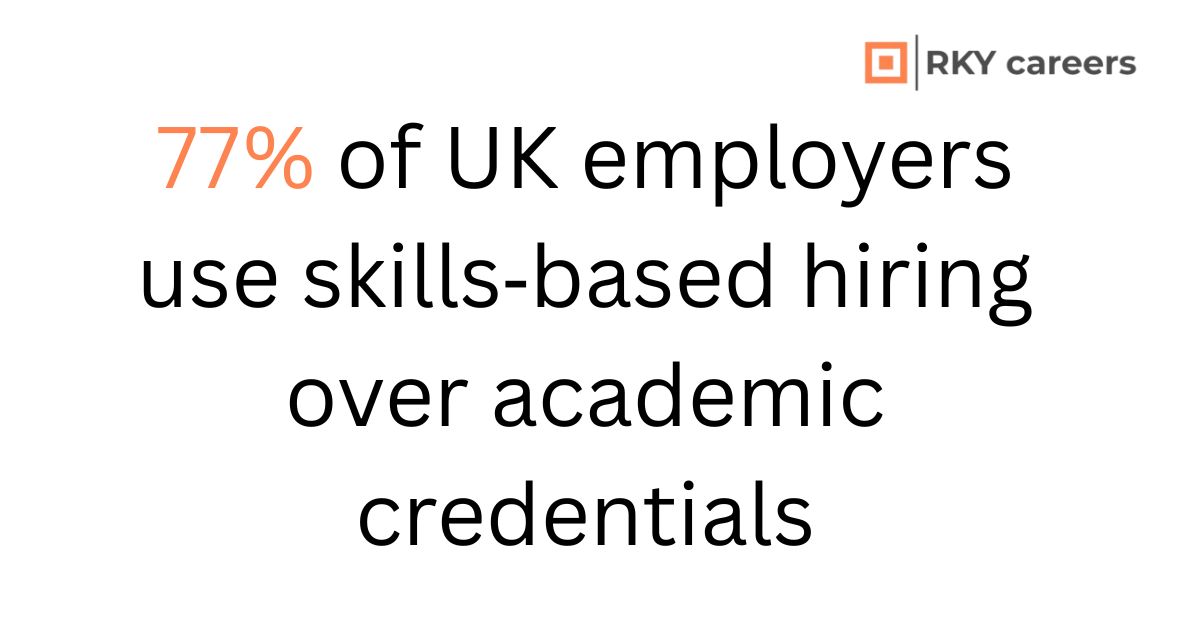
According to TestGorilla, 77% of UK employers now use skills‑based hiring over academic credentials.
Whether you’ve worked in retail, customer service, marketing, or admin, you already have what it takes. The key is translating that experience into language that is Agile-friendly.
This is what an Agile Business Analyst Training Course UK helps you do.
You’ll learn how to highlight communication, organisation, and problem-solving skills that align with BA roles. Agile BA training for career changers provides you with the confidence you need.
If you’ve ever solved problems under pressure or improved a process, you’re already halfway there. And once you add Agile knowledge, you’re set.
Read also:
Roles you can aim for: Junior BA, Product Owner, Agile Facilitator
Now let’s dig into landing your first business analyst role.
The most common entry point? Junior Agile BA jobs UK.
These are perfect for building experience on Agile teams. You’ll help gather requirements, support sprints, and write user stories. Once you’ve gained confidence, you might step into Product Owner roles, leading backlog prioritisation and customer conversations.
Or perhaps Agile Facilitator, helping teams run standups and retrospectives.
With your Agile Business Analyst Training Course UK certificate, you’re qualified to explore. And don’t forget, roles like Business Analyst Consultant or Delivery Analyst are just a few more steps away.
Training Format, Duration & Certification Details
There are usually options for online, in-person, or hybrid setups depending on your schedule. Courses range from short bootcamps to part-time weekend sessions or full-time training.
Training materials are structured to deliver real results, building theory and then applying it through hands-on work.
You won’t just read slides; you’ll gain practical experience, exercises, and trainer support to ensure the skills stick. It’s learning designed for busy adults.
Typical delivery: online, in-person or hybrid course structure
Many training providers in the UK now offer flexible learning formats.
Want to study at your own pace? Go with an online course.
Prefer face-to-face interaction? Choose in-person classes.
Or even better, combine both with a hybrid model.
These options allow you to tailor your learning to your life.
Online versions still include breakout rooms, interactive tasks, and even mock interviews.
Each week builds on the last. Before you know it, you’re preparing for your final assessment and feeling ready for real work.
Assessment, certification and pass requirements
Most business analyst Agile certification UK programs include quizzes, group projects, and final assessments.
You’ll be tested on everything, from Agile values to backlog refinement and stakeholder management.
Some courses even include an external exam, which boosts credibility with UK employers. After passing, you’ll receive a certificate that validates your skills.
The cool thing? You don’t need a tech background.
As long as you complete the course modules and engage in exercises, you’ll do great.
Read also:
- How to Land Your First Role as a Digital Marketing Specialist
- How to Combat Age Discrimination in Your Job Search
Cost, funding options and support in the UK
Let’s talk money.
Most courses range from £500 to £2,000, depending on the provider, length, and level of certification.
But don’t let that stop you. Many providers now offer payment plans, instalments, or discounts for early registration.
And the good news? Some are even funded through government-backed adult learning schemes or employer support programs.
That’s especially helpful if you’re looking into requirements analysis training UK as part of a career change.
Some providers also offer complimentary resources, including CV reviews, LinkedIn optimisation, and ongoing mentorship.
How to Choose the Right Agile BA Course in the UK
With so many options available, it’s easy to become overwhelmed.
But stay with me.
You want a course that’s not only recognised in the UK but also supports your career goals. Look for accredited providers, experienced instructors, and clear learning outcomes.
Ensure the course provides job-hunting support and offers actual project experience. If it ticks those boxes, you’re likely on the right track toward success and career growth.
Accredited vs independent course providers
Accredited providers are reviewed by industry bodies to ensure the quality of their courses. That means that when you graduate, your certificate will hold more weight with UK employers.
For example, a business analyst Agile certification UK from a provider aligned with CPD, BCS, or APMG is instantly recognised.
Check reviews, trainer backgrounds, and curriculum before enrolling.
The choice between accredited and independent comes down to credibility vs flexibility.
Support services: CV review, portfolio-building, coaching
The best Agile business analyst training course UK providers don’t just teach theory. They help you get hired.
How?
By offering practical support like CV writing sessions, mock interviews, and portfolio coaching.
Support like this is often the difference between landing a job and getting ghosted. So don’t overlook it.
Read also:
Reviews, alumni success stories and course outcomes
Before you enrol, always check the success stories.
Many Agile business analyst course UK sites feature alumni testimonials, LinkedIn reviews, or video case studies. Why is that important? Because it shows whether people like you have actually landed roles.
Reviews reveal what kind of support the course provides and how prepared students felt afterwards.
This is where the course moves from theory to proof. If a training provider consistently helps students get hired, that’s your green flag.
Enrol in RKY Agile Business Analyst Bootcamp to Fast-Track Your Career
So what are you waiting for?
If you’re serious about landing Agile roles in the UK, the RKY Agile Business Analyst Training Course UK is your best move.
We combine theory, tools, coaching, and real-world projects to give you the ultimate training experience.
You’ll build a portfolio, prep for interviews, and walk away with confidence.
What our bootcamp offers: UK-focused case studies, real-world Agile projects, BA portfolio development
The RKY Agile Business Analyst Bootcamp isn’t just another online course. It’s a career accelerator.
You’ll work on UK-based Agile scenarios pulled from real projects.
That means you’re training in context, not just reading slides.
Each module includes practice sprints, user story creation, backlog refinement, and Agile ceremonies. You’ll also build a portfolio with real deliverables.
This boot camp is ideal for both new learners and professionals looking to transition into Agile roles quickly.
Career support elements: interview prep, Agile job hiring tips, mentor guidance
Training is just the beginning. At RKY, we offer comprehensive career support to ensure you don’t just learn, but secure a job.
That includes Agile interview prep, where we walk you through questions you’ll likely face. You’ll also get resume and LinkedIn help tailored for UK hiring trends.
Our support doesn’t stop when the course ends. We stay with you throughout the job hunting process, application, and onboarding.
The RKY Business Analyst Bootcamp is not just a course; it’s a career support system
Become a job-ready Agile Business Analyst
FAQs: Agile Business Analyst Training Course UK
Is Agile BA training suitable for beginners without technical background?
Yes, Agile BA training is ideal for beginners, even if you don’t have a technical background. The course begins with the basics and utilises real-world examples, allowing you to build confidence quickly. If you’re organised, curious, and ready to learn, this path is an excellent fit for you.
How long does Agile Business Analyst training in the UK take?
Training duration varies by provider. Some Agile business analyst bootcamp options take just a few weeks, while others run part-time over several months. You’ll typically finish between 4 and 12 weeks, depending on the format (online or in-person). The good news? You can often train while keeping your current job.
Will Agile BA certification improve job prospects in the UK?
Absolutely. A business analyst Agile certification UK shows employers you’ve mastered the core Agile skills. It can help you qualify for Junior Agile BA jobs UK and stand out in today’s job market. Plus, many UK employers actively seek candidates who understand both Agile frameworks and business analysis techniques.
What roles can I qualify for after Agile BA training?
After training, you can apply for roles like Agile Business Analyst, Product Owner, Agile Delivery Assistant, and Project Support Officer. Some learners even move into Scrum Master or Agile facilitator roles. These positions span industries such as technology, healthcare, finance, and government, offering excellent career growth opportunities.