Building a Job-Ready Portfolio for Data Analyst Roles
In the competitive landscape of analytics careers, building a job-ready portfolio for data analyst roles is no longer optional; it’s essential. Whether you’re transitioning from a non-technical background, have recently graduated, or are enhancing your job prospects, a compelling portfolio gives your application an edge.
It’s not just a supplement to your resume; it’s the core of your value proposition. Want to know the best part? A job-ready portfolio speaks louder than credentials, giving recruiters a tangible preview of your capabilities.
Why a Data Analyst Portfolio Matters
The job market for analysts is saturated with competent, technically skilled candidates. So, how do you stand out? Here’s the deal: your data analyst portfolio reflects your practical ability to solve business problems. 80% of hiring managers consider the ability to communicate through digital and visual media to be an essential skill.
Recruiters and hiring managers are drawn to candidates who can showcase impact, not just textbook knowledge. Building a job-ready portfolio for data analyst roles helps bridge the gap between potential and performance, giving decision-makers a reason to bring you in for an interview. It’s your proof of competence in action.
How Recruiters Evaluate Portfolios
Let’s face it: recruiters spend limited time evaluating candidates. Recruiters spend an average of 7.4 seconds scanning a resume during the initial screening process. They’ll scan a portfolio for clarity, relevance, and business impact.
What are they looking for? Simple projects that reflect real-world thinking. This includes clear problem statements, insights with context, and logical reasoning that is easy to follow. Portfolios filled with fluff or technical jargon fall flat.
However, a well-structured collection of case studies and dashboards, especially entry-level data analyst portfolio examples, shows you can deliver value.
Recruiters also note how you explain your work, so strong documentation and business language go a long way.
Key Benefits of Having a Portfolio
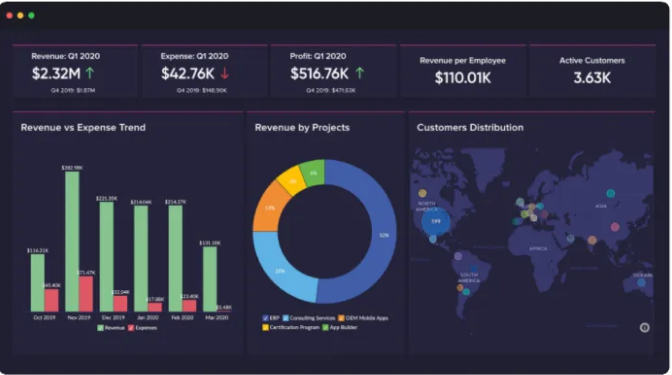
Image Credit: Neil Patel
Consider this: a polished portfolio can secure opportunities before a job is even posted. That’s right, it can serve as your lead generator. When built right, your portfolio helps you rank higher in online searches, stand out in cold outreach, and attract referrals. Most importantly, it builds credibility.
You’re not just telling people what you can do but showing them. And in the world of data analysis, that’s everything. From SQL portfolio project walkthroughs to Power BI dashboards, employers want evidence of skills that matter.
A standout portfolio demonstrates confidence and a clear understanding of the data process.
Portfolio vs. CV – What Shows More Impact?
Let me ask you something: When was the last time a recruiter got excited about a bullet point on a CV? Probably never. Compare that to a portfolio demonstrating how you saved a business 15% on logistics costs using data. Big difference, right? Portfolios don’t just support your CV; they surpass it.
A resume lists skills. A portfolio proves them. Especially for newcomers, an entry-level data analyst portfolio becomes the most powerful job-hunting tool. So, if you’re wondering whether to invest the time into one, the answer is simple. It will be worth every minute.
Also Read:
What to Include in Your Data Analyst Portfolio
Let’s get to it: content makes or breaks your portfolio. But here’s the kicker: it’s not about how many projects you list. It’s about how well they showcase your process. The best data analyst portfolio examples feature end-to-end thinking, real-world data, and relevant visualisations.
If you’re building a job-ready portfolio for data analyst roles, include work that clearly illustrates how you approach and solve business problems. And don’t worry, you don’t need years of experience. Projects you create yourself can be just as impressive, if not more, when thoughtfully executed.
Real-World Projects with Business Impact
Here’s the most critical part: real-world relevance. Recruiters want to see how you think in a business context. So, ensure your portfolio includes data analyst project ideas that reflect actual company challenges, such as customer churn, sales forecasting, or operations optimisation. Don’t just analyse for the sake of numbers.
Instead, pose a straightforward business question, use relevant datasets, and demonstrate how your analysis leads to actionable insights. Even a simulated data analytics case study that draws from a real-world scenario can demonstrate to employers that you understand the big picture, which separates great analysts from average ones.
Dashboards, Visuals, and Reports
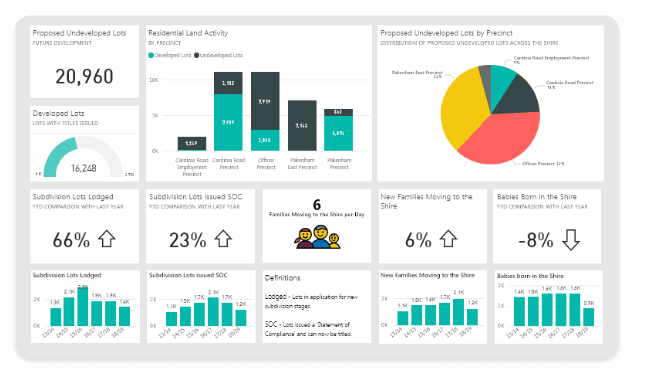
So, what’s the secret to making your work unforgettable? Visuals. Dashboards and reports help stakeholders understand your findings without requiring them to delve into the code. Power BI portfolio projects are awe-inspiring because they showcase your ability to translate raw data into decisions.
A well-designed dashboard highlights key metrics, identifies trends, and clarifies your conclusions. Keep design principles in mind, use consistent colours, label axes clearly, and avoid overwhelming visuals. Consider the user: can they quickly grasp what’s going on? If the answer is yes, then you’re doing it right.
Case Studies and Problem-Solving Examples
Picture this: a recruiter opens your portfolio and reads a concise, structured case study that guides them through a comprehensive analysis process, from identifying the problem, cleaning the data, exploring patterns, and presenting actionable recommendations. That’s gold.
Case studies offer depth and let you shine as a communicator and strategic thinker. Be specific about your data sources, your methods, and your rationale. A great case study doesn’t just say what you did; it shows how and why.
If you’re unsure where to start, consider your most recent data analyst project ideas and break them down into digestible stories with clear outcomes.
Tools & Technologies Used (Excel, SQL, Python, Power BI)
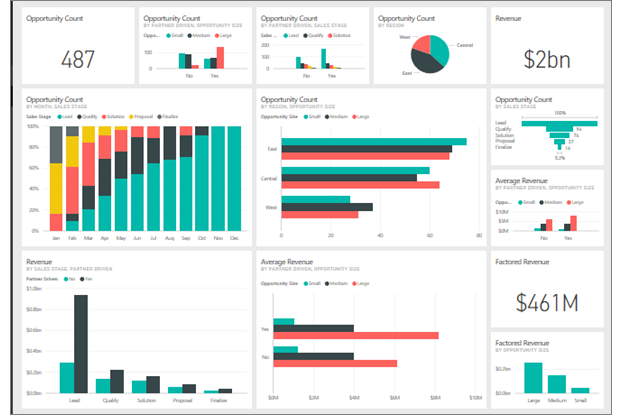
Image Credit Microsoft
And now for the tech: every job-ready portfolio needs a tools section. But here’s the truth: not all tech use is equal. A simple list of tools isn’t enough. Instead, illustrate how each tool played a role in your projects.
Can you use Excel to build interactive dashboards? Did you run SQL queries to pull insights from a complex dataset?
Will Python help you automate repetitive tasks? This context is what gives your portfolio its credibility. Include links to your GitHub SQL portfolio project or Jupyter notebooks to let others explore your code firsthand.
Check out:
How to Create Projects That Attract Employers
Let’s jump right in. It’s one thing to build projects. It’s another to make ones that grab attention. The difference lies in clarity, relevance, and the way it is presented. The most effective portfolios showcase projects that are aligned with business needs, easy to follow, and visually polished.
If you’re serious about building a job-ready portfolio for data analyst roles, don’t just look at what you’ve done; ask whether it tells a story. Whether it’s predicting customer behaviour, analysing healthcare trends, or optimising supply chains, focus on problem-solving. And most importantly? Make your projects accessible and presentable.
Sourcing Datasets and Identifying Real Problems
You know what’s frustrating? Spending hours cleaning data that doesn’t lead to insights. The solution? Start with a problem, then find the dataset; do not start with the dataset and then find a problem. You’re passionate about sports, finance, or climate change. Each area presents unique challenges and a wealth of public data to explore.
Great starting places include Kaggle, data.gov, and World Bank Open Data. Want a challenge? Find a messy dataset and create something polished from scratch. It’s one of the best ways to showcase data analysis skills.
Structuring Your Project for Business Relevance
Let me show you why structure is everything. A project without a beginning, middle, and end feels disjointed. Your work should follow a logical path: state the business goal, identify the data, explain your cleaning and exploration steps, apply the appropriate analysis, and then deliver the insight.
Add clear headings and commentary to guide the reader through your thinking. Remember, the end-user isn’t always technical. Your structure helps them see not just the outcome but the process. And when is that easy to follow? You’ve nailed it. That’s how to showcase data analysis skills like a pro.
Hosting Your Portfolio – GitHub, Notion, or Personal Website
Let’s talk hosting. Your projects might be amazing, but if buried in a messy folder or behind a login wall, they won’t help you. Hosting your portfolio properly makes all the difference. GitHub is perfect for sharing notebooks and SQL scripts.
In numerous data analyst job postings, GitHub is cited as a preferred platform for hosting projects and code.
Notion allows you to create interactive, structured documentation with ease. A personal website gives you total control over layout and branding. Research has shown that Portfolios hosted on personal websites have higher engagement than those hosted on shared drives or PDFs. Whatever you choose, make sure it’s easy to navigate. Include a homepage, clear project links, concise introductions, and your contact information.
See also:
Mistakes to Avoid in a Data Analyst Portfolio
Now, stop right there. Before you hit publish on that new project, let’s cover a few common mistakes. Here’s the thing: excellent work can still be overlooked if not presented well. Want to avoid getting passed over?
Then, be sure your portfolio isn’t making these errors: skipping context, overcomplicating analysis, neglecting design, and ignoring accessibility. Building a job-ready portfolio for data analyst roles aims to demonstrate your value and expertise. These missteps can cloud your message and cost you that callback.
Lack of Storytelling or Business Insight
Here’s the point: raw data won’t get you hired; insight will. It’s insufficient to show you can write SQL queries or build dashboards. You have to connect the dots for the viewer. What’s the key takeaway? What decision does your analysis support? A project with a beginning but no conclusion feels incomplete.
So add that final paragraph, that executive summary, that punchy takeaway. It transforms your work from a technical exercise into a strategic solution. Whether it’s a Power BI portfolio project or a predictive model, ensure it tells a story that your audience cares about.
Overcomplicating the Analysis
Think I’m exaggerating? It’s easy to fall into the trap of doing too much. But here’s something exciting: simple, focused projects often outperform complex ones in interviews. Why? Because they’re easier to understand. If your portfolio is filled with five layers of code and obscure techniques, most hiring managers won’t follow.
Instead, pick a clear objective and execute it cleanly. Then, explain it in a language anyone can understand. That’s the real flex, not just knowing the tools but also how to communicate results. That’s what makes a data analyst valuable.
Ignoring Visual Design and Accessibility
Let’s face it: if your portfolio is hard to read, it won’t get read. Visual design isn’t just about aesthetics; it’s about professionalism. Ensure your font is legible, your layout is clean, and your navigation is intuitive.
Use colours that don’t clash and charts that are easy to interpret. And don’t forget about accessibility; screen readers, alt text for images, and colourblind-friendly palettes matter more than you think. A visually polished portfolio reflects well on you as a communicator, a designer, and a collaborator. It tells hiring managers, “I understand the user experience.” That alone can tip the scale in your favour.
Check also:
How Tosin Aced His Technical Interview Task and Landed a Data Analyst Role
2 Data Analyst Roles, 3 Months After Landing in the UK: Shola’s Success Story
Conclusion: Building a Job-Ready Portfolio for Data Analyst Roles
What’s the bottom line? Building a job-ready portfolio for data analyst roles is the smartest investment you can make in your career. It showcases your technical skills, strategic thinking, and ability to communicate insights.
It bridges the gap between learning and employment, giving you a professional edge in a competitive market. Whether through data analytics case studies, a Power BI portfolio project, or a SQL walkthrough on GitHub, your portfolio tells the world you’re ready.

And if you’re wondering where to begin, RKY Careers’ Data Analytics Bootcamp is the perfect launchpad. This hands-on program equips you with practical tools, real-world projects, and expert guidance to help you build a standout portfolio that stands out to recruiters. Many of our students have transitioned into high-demand roles across the UK after completing the bootcamp.
Join RKY Careers Bootcamp and start building the portfolio that will open doors.
So take that next step. Start building. Soon, you won’t just be applying for jobs; you’ll attract them.
FAQs: Building a Job-Ready Portfolio for Data Analyst Roles
How many projects should a data analyst’s portfolio have?
A data analyst’s portfolio should ideally include 3 to 5 high-quality projects. Each project should showcase a different skill set, such as data cleaning, visualisation, SQL querying, or business problem-solving. Quality matters more than quantity, so focus on impactful, well-documented work demonstrating your analytical thinking and value to potential employers.
Do I need a GitHub portfolio to get a data analyst job?
While it’s not mandatory, having a GitHub portfolio significantly boosts your chances of landing a data analyst job. GitHub allows recruiters to review your code, project structure, and documentation. It’s beneficial for showcasing SQL scripts, Python notebooks, and collaborative work. A well-maintained GitHub is a live demonstration of your technical skills and professionalism.
What are the best tools to showcase data analyst work?
The best tools to showcase data analyst work include Power BI, Tableau, and Excel for creating dashboards and visuals; SQL and Python for code-based projects; and platforms such as GitHub, Notion, or personal websites for hosting your portfolio. Combining these tools helps convey technical depth and communication skills to hiring managers.
Can beginners build a data analyst portfolio without experience?
Absolutely. Beginners can create strong data analyst portfolios by working on public datasets, contributing to open-source projects, or replicating real business scenarios. The key is to select relevant problems, document your process, and clearly explain your reasoning. With well-executed personal projects, even those without formal experience can prove their readiness for entry-level data analyst roles.