Best Online Courses for Job Seekers in 2026
The job market has transformed dramatically. If you’re looking for work right now, you already know that employers want more than just experience. They want proof that you’re adaptable, skilled, and ready to deliver results from day one. That’s where the best online courses for job seekers in 2026 come in.
These aren’t just certificates to pad your CV. They’re strategic tools that close skill gaps, demonstrate commitment, and position you as the candidate who stands out.
I’ve seen too many talented professionals struggle because their skills haven’t kept pace with industry demands. The good news? You can change that trajectory faster than you think. Online learning has evolved into a credible, accessible pathway to career advancement. And in 2026, it’s no longer optional, it’s essential.
Why Online Courses Are Essential for Job Seekers in 2026
The labour market is more competitive than ever. Employers receive hundreds of applications for single roles. How do you differentiate yourself when everyone has similar qualifications? You upskill strategically. Online courses for job seekers give you that edge.
According to LinkedIn’s Workplace Learning Report, 89% of L&D professionals agree that proactively building employee skills will help navigate the evolving future of work. This isn’t just corporate training, it applies to job seekers too. If you’re not learning, you’re falling behind.
How skill gaps affect job opportunities
A skill gap is the difference between what you can do and what employers need. It’s often the silent killer of job applications. You might tick most boxes, but if you’re missing one critical competency, you’ll be overlooked.
Research from McKinsey & Company shows that by 2030, 75-375 million workers globally may need to switch occupational categories due to automation and AI. That shift has already begun. Employers want people who can adapt, learn quickly, and bring modern skills.
Here’s what happens when you don’t address skill gaps:
- Your CV gets filtered out by applicant tracking systems (ATS)
- You lose confidence during interviews
- You’re passed over for candidates with digital skills courses 2026 and certifications
- You remain stuck in roles that don’t fulfil or pay you what you’re worth
Skill gaps aren’t permanent. They’re fixable. And online learning platforms 2026 make fixing them faster and more affordable than ever.
Read Also:
Benefits of online learning for career growth
Online courses offer flexibility that traditional education can’t match. You learn at your own pace, on your own schedule, without uprooting your life. But the benefits go deeper.
First, they’re cost-effective. Many free online courses for career growth provide high-quality content without the hefty price tag. Second, they’re current. Unlike university degrees that can take years to update syllabuses, online courses reflect what’s happening in industries right now.
Third, they build credibility. Employers recognise platforms like Coursera, LinkedIn Learning, Google Career Certificates, and Udacity. When you list these on your CV, you signal that you’re proactive and committed to professional development.
Finally, they open doors. A report by the World Economic Forum highlights that 44% of workers’ skills will change by 2030. Those who invest in reskilling through career development courses 2026 will be the ones who thrive, not just survive.

Ready to transform your career with expert guidance?
At RKY Careers, we offer personalised bootcamps that combine practical training, real-world projects, and career mentorship. Whether you’re breaking into tech or levelling up your digital skills, we’ll help you build a career that pays what you’re worth.
Book a Free Career Consultation
Top Online Courses to Boost Your Career
You don’t need to master everything. You need to master what matters. The top courses to boost employability in 2026 focus on high-demand skills that employers actively seek.
Digital marketing and social media mastery
Digital marketing is everywhere. Every business needs an online presence, and professionals who understand SEO, content marketing, social media strategy, and paid advertising are in constant demand.
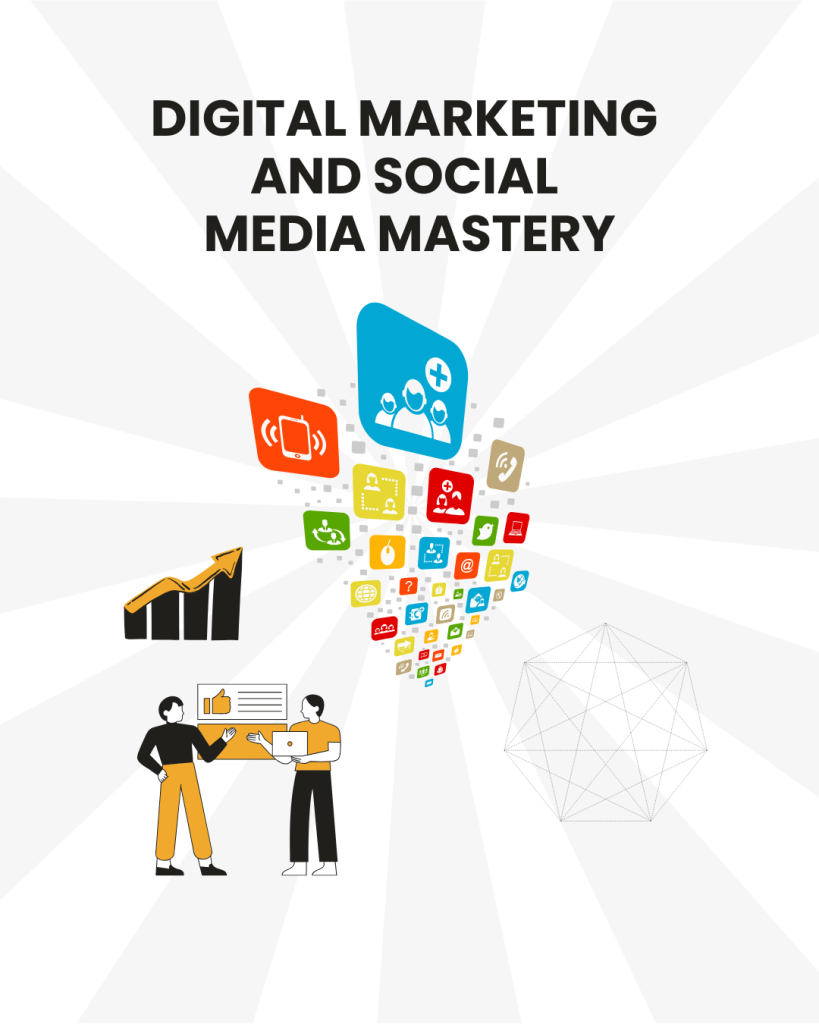
Courses like Google’s Digital Marketing & E-Commerce Certificate or HubSpot Academy’s Inbound Marketing Certification teach you how to attract, engage, and convert audiences online. These aren’t theoretical classes. They’re practical, project-based programmes that give you portfolio-ready work.
Read Also:
Data analysis and business intelligence basics
Data is the new oil, but raw data is useless. Employers need people who can extract insights, create dashboards, and inform decisions. That’s where certification courses for careers in data analysis come in.
Platforms like Coursera (Google Data Analytics Certificate) and DataCamp offer beginner-friendly courses that teach Excel, SQL, Python, Tableau, and Power BI. You don’t need a maths degree. You need curiosity and commitment.
Why it matters: A PwC report found that AI could contribute up to $15.7 trillion to the global economy by 2030. Data professionals will be at the heart of that transformation. Starting with foundational courses now positions you for high-paying roles later.
Project management fundamentals
Project management isn’t just for construction or IT. Every industry needs people who can plan, execute, and deliver projects on time and within budget. Job search skills training that includes project management makes you a more attractive hire.

Courses like the Google Project Management Certificate or CAPM (Certified Associate in Project Management) prep courses teach you frameworks like Agile, Scrum, and Waterfall. You’ll learn how to manage timelines, stakeholders, and risk.
Why it matters: According to PMI’s Talent Gap Report, the global economy will need 25 million new project professionals by 2030. That’s a massive skills shortage and a massive opportunity for you.
Read also:
How to Build a ‘Hire-Me’ Presence Online in 30 Days
Personal Branding for Job Seekers: What Matters Most in 2026
Tech Courses Job Seekers Should Take in 2026
Tech skills are no longer just for developers. They’re baseline competencies for modern professionals across industries. Whether you’re in HR, marketing, finance, or operations, understanding tech courses for job hunters gives you a competitive edge.
Introduction to AI and machine learning
Artificial intelligence is reshaping every sector. You don’t need to become a machine learning engineer, but you should understand how AI works, its applications, and its limitations.
Courses like Andrew Ng’s Machine Learning Specialisation on Coursera or Google’s AI Essentials provide accessible entry points. You’ll learn about algorithms, neural networks, and practical use cases.
Why it matters: Gartner predicts that by 2026, generative AI will be a workforce partner for more than 80% of companies worldwide. If you understand AI, you’re more valuable. If you don’t, you risk becoming obsolete.
Web development and UX/UI design basics
Even if you’re not a developer, knowing the basics of how websites and apps are built makes you a better collaborator, marketer, or product manager.
Platforms like freeCodeCamp, Codecademy, and Udemy offer beginner courses in HTML, CSS, JavaScript, and UX design principles. You’ll learn to build simple websites and understand user experience fundamentals.
Why it matters: The U.S. Bureau of Labor Statistics projects that employment of web developers will grow 7% from 2024 to 2034, much faster than the average for all occupations. Knowing these skills broadens your career options significantly.
Cloud computing fundamentals
Cloud computing powers modern business. AWS, Microsoft Azure, and Google Cloud are the backbone of digital infrastructure. Understanding cloud basics makes you more employable in IT, operations, finance, and beyond.
Courses like AWS Certified Cloud Practitioner or Microsoft Azure Fundamentals teach you cloud architecture, storage, security, and deployment.
Why it matters: Flexera’s 2024 State of the Cloud Report found that 94% of enterprises use cloud services. Cloud skills are in demand, and they command premium salaries.
Read also:
Best Tech & Digital Skills to Learn for 2026
How to Build a Strong Tech Portfolio in 2026
Career-Ready Soft Skills Courses
Technical skills get you in the door. Soft skills get you promoted. Too many job seekers focus only on hard skills and wonder why they don’t progress. The truth? Employers value communication, leadership, and emotional intelligence just as much—if not more.
Communication and interpersonal skills online
Great communication transforms careers. Whether you’re leading meetings, writing emails, or negotiating salaries, how you communicate determines how people perceive your value.
Courses like Coursera’s Improving Communication Skills or LinkedIn Learning’s Communicating with Confidence teach you active listening, persuasive writing, and non-verbal communication.
Why it matters: A report by the National Association of Colleges and Employers (NACE) identifies communication as the top competency employers seek in new hires. If you can’t articulate your ideas, your technical brilliance won’t matter.
Problem solving, critical thinking, and leadership
Employers don’t just want task-doers. They want problem-solvers and leaders who can navigate ambiguity, think strategically, and inspire teams.
Soft skills training online courses like MindTools’ Problem Solving and Decision Making or Harvard ManageMentor’s Leadership Essentials build these competencies. You’ll learn frameworks for analysing problems, making decisions under pressure, and leading with empathy.
Why it matters: Research by LinkedIn shows that 92% of talent professionals say soft skills are equally or more important than hard skills. Investing in these courses makes you not just employable, but promotable.
Free vs Paid Courses: What Job Seekers Should Choose
Money is often tight when you’re job hunting. So, should you invest in paid courses or stick with free ones? The answer depends on your goals, industry, and timeline.
Best free online learning platforms
Free doesn’t mean low quality. Platforms like Coursera, edX, Khan Academy, and YouTube offer world-class content at no cost. You can learn programming, design, marketing, and more without spending a penny.
Free online courses for career growth are perfect if you’re:
- Exploring a new field before committing
- Building foundational knowledge
- Testing whether a skill interests you
- On a tight budget
The downside? Free courses often lack certification, personalised feedback, or hands-on projects. They’re great for learning, but they may not carry the same weight on your CV.
When investing in paid certification makes sense
Paid courses offer structure, accountability, and credentials. They’re worth the investment when:
- You’re serious about a career change
- The certification is recognised by employers (e.g., Google, AWS, PMP)
- You need portfolio projects and mentorship
- You want to signal commitment to hiring managers
If you’re targeting competitive roles, paid certification courses for careers are strategic investments. They’re not expenses, they’re down payments on your future earning potential.
Read also:
How to Make 6 Figures in 2026
Personal Branding for Job Seekers: What Matters Most in 2026
FAQs
1. Which online course improves job prospects the most in 2026?
It depends on your industry and goals. However, courses in AI, data analysis, and project management consistently rank highest for employability. These skills are in demand across sectors and offer strong ROI for job seekers.
2. Are free online courses respected by employers?
Yes, if they’re from reputable platforms like Coursera, edX, or Google. Employers value the skills you gain, not just the certificate. Combine free courses with projects to demonstrate your competence effectively.
3. How many online courses should a job seeker take?
Quality over quantity. Focus on 2-3 courses that directly align with your career goals. Overloading your CV with irrelevant certifications dilutes your narrative. Choose strategically, complete thoroughly, and apply immediately.
4. Can online courses help career changers in 2026?
Absolutely. Online courses bridge skill gaps quickly and affordably. They provide the foundational knowledge, certifications, and portfolio projects needed to pivot into new industries, especially tech, marketing, and project management roles.