

Career Development Cycle in Tech
The career development cycle is a phase most professionals go through. Navigating the UK job market as an immigrant or a career switcher can feel like solving a puzzle with missing pieces. You might worry about your lack of “UK experience” or feel anxious about the new visa salary thresholds. However, there is a proven way to move forward.
In 2026, the UK tech sector continues to grow, with the government predicting that priority occupations will increase by 15% by 2030. This article will show you how to use this cycle to secure your future and thrive.
Understanding the Career Development Cycle in the 2026 UK Market
The career development cycle is not a straight line; it is a continuous loop that helps you grow. In the past, people often stayed in one job for life.
Today, especially in the UK’s fast-moving tech scene, you must always be ready to learn and adapt in Navigating Career Choices in 2026
According to the Office for National Statistics (ONS), there were 726,000 job vacancies in the UK in 2025. To grab these opportunities, you need to see your career as a project that you manage through constant planning and action.
Why Your Career Path is a Loop, Not a Ladder
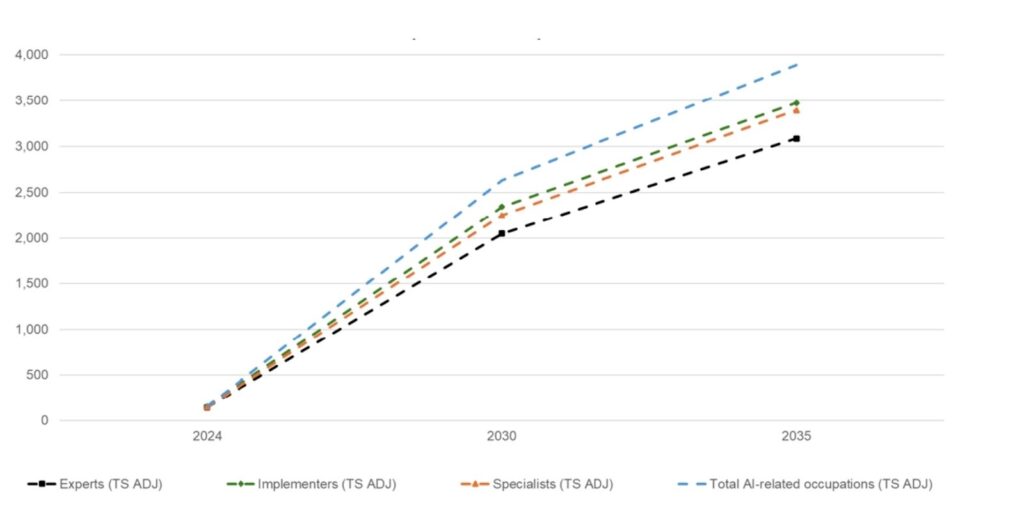
Source: Gov.uk
Think of your professional life as a circle rather than a ladder. On a ladder, you only go up or down. In a professional development cycle, you move through stages of learning, doing, and reflecting.
This is vital because the skills needed for tech roles are changing. By 2035, nearly 12% of the UK workforce will work directly with AI. When you treat your career as a loop, you are never “done.” You are simply preparing for the next exciting turn.
The Importance of Career Planning for UK Immigrants
For immigrants, career planning is a survival tool, especially when you start seeing the Signs It’s Time to Change Your Career. The UK Home Office recently set the standard salary threshold for a Skilled Worker visa at £41,700.
For many tech roles, like Business Analysts, the going rate is even higher, often exceeding £50,200. You cannot reach these numbers by accident.
You need a solid plan that accounts for your visa status, your skills, and the specific needs of UK employers. This planning helps you focus on high-value roles that offer stability.
Read Also:
Key Career Development Cycle Stages You Need to Know
To master your growth, you must understand the stages of the career development cycle. These stages guide you from being a confused job seeker to a confident professional. Whether you are a beginner or a mid-career switcher, these steps remain the same.
They ensure that you do not waste time applying for the wrong jobs or learning irrelevant skills. Instead, you move with purpose toward your goal of a high-paying tech career in the UK.
Stage 1: Self-Assessment & Identifying Transferable Skills
Everything starts with you. In this stage, you look at what you already know. This helps you Decide What Career Is Right for me. You might think your previous experience in Nigeria or another country does not count in the UK, but that is rarely true.
Skills like problem-solving, communication, and project management are universal. Employers in the UK value these transferable skills highly. And there are many Careers You Can Get Without a Degree in 2026. Take time to write down every task you have done well.
This self-assessment is the foundation of your employee career development cycle. It gives you the confidence to talk about your value during interviews.
Stage 2: Market Exploration & Researching UK Tech Trends
Once you know your strengths, you must see where they fit. The UK tech market is vast. You need to research which sectors are hiring right now and find Careers With Global Demand.
For example, data engineering and cybersecurity are currently seeing intense competition for talent, which is driving up starting salaries.
Use LinkedIn and official government reports to see which roles match your interests. This stage prevents you from entering a declining field and helps you target roles that offer visa sponsorship and high pay.
Read Also:
Navigating the Career Planning Cycle Steps for Success
Success in the UK requires a tactical approach. The career planning cycle steps are your tactical map. These steps take the broad ideas from the “stages” and turn them into daily actions.
If you follow these steps, the fear of rejection starts to fade because you have a system. You are no longer just looking for a job; you are executing a professional strategy.
Setting Realistic Goals for the UK Job Market
You need to set goals that are specific and measurable. Instead of saying “I want a tech job,” say “I want to become a Junior Data Analyst in London by September.”
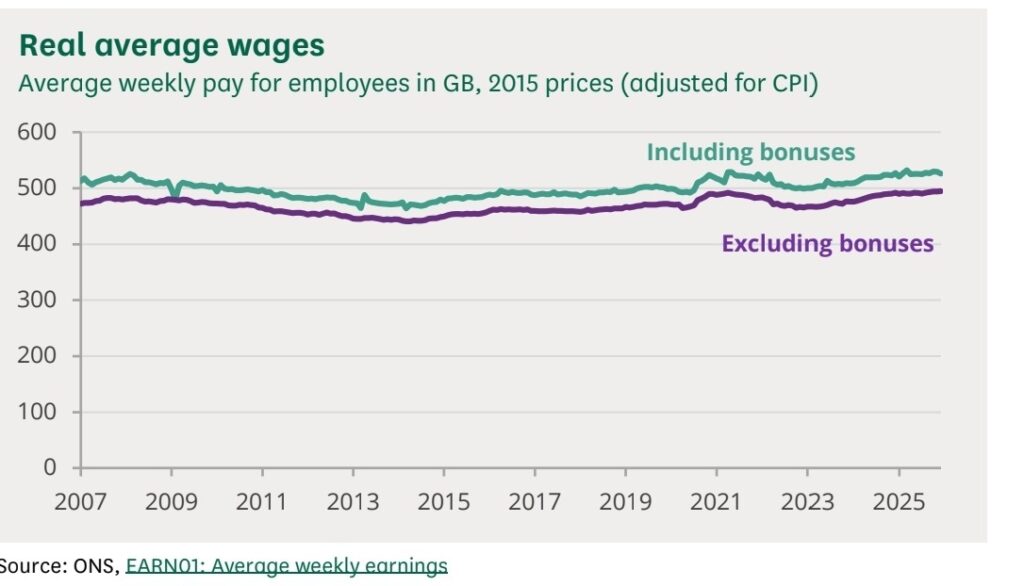
Your goals should also consider the current economic climate. With real wages rising by about 0.8% in early 2026, you should aim for a salary that meets both your needs and visa requirements. Breaking your big dream into small steps makes the process feel much less overwhelming.
Bridging the Gap with Professional Training
Often, your Research will show a gap between what you know and what UK employers want. This is where professional training comes in.
You do not always need a new degree. Short, intensive programs like an RKYcareers Bootcamp can give you the specific tools like SQL, Python, or Agile methodologies that are in high demand.
These programs are designed to be practical. They don’t just teach you theory; they show you how to do the work. This step is the most critical for career switchers who need to prove they can handle a new role.
Visualising Your Growth: The Career Development Cycle Diagram
Visual aids can help you see where you are in your journey. A career development cycle diagram usually shows a circle with arrows pointing from one stage to the next.
It reminds you that even if you face a setback, you are still moving forward. It is a tool for your mental health as much as it is for your career. When you see your progress visually, you realise that exploration is just as important as applying for jobs.
How to Use a Career Development Cycle Diagram to Track Progress
Print out or draw a diagram and place it where you can see it daily. Mark, which stage are you currently in? Are you in the Reflection stage? Or are you in the Action stage? By tracking your position, you avoid the trap of staying in one stage for too long.
For instance, some people spend months in Research but never move to Skill Acquisition. The diagram keeps you honest about your pace and ensures you are completing every part of the professional development cycle.
Adapting the Diagram for Mid-Career Switchers
If you are an experienced professional moving into tech, your diagram might look a bit different. You might move through the Self-Assessment stage faster because you already have a history of success.
However, you might spend more time in Market Exploration to find a role that matches your previous seniority. The key is to be flexible. Your career growth depends on your ability to adapt the cycle to your specific life situation, whether you are a parent or a senior manager.
Read Also:
Driving the Employee Career Development Cycle in the Workplace
Your journey does not end when you get the job. Once you are hired, the employee career development cycle continues inside the company. This is how you move from a junior role to a senior one.
In the UK, many companies have formal frameworks for this. For example, the UK Civil Service uses a detailed HR Career Framework to help staff map their progress. You should look for similar opportunities in your new workplace.
Advocating for Your Professional Development Cycle at Work
Do not wait for your manager to offer you a promotion. You must be your own biggest fan. During your performance reviews, use the language of the professional development cycle.
Talk about the new skills you want to learn and how they help the company. Mention that you want to contribute to the company’s growth by staying ahead of tech trends.
This proactive attitude is highly valued in the UK corporate culture and is the fastest way to increase your income and job security.
Leveraging Networking for Continuous Career Growth
Networking is a hidden part of the development cycle. It is about building relationships that help you learn.
In the UK, who you know often helps as much as what you know. Attend tech meetups, join LinkedIn groups, and talk to colleagues in different departments. Networking helps you move through the Exploration stage of your next cycle more quickly.
It gives you inside information on jobs before they are even posted. This constant connection to the market ensures your career growth never stops.
Overcoming Barriers to Career Growth in the UK
It is okay to feel anxious. Many immigrants face barriers like visa confusion or the no UK experience hurdle.
However, these are not dead ends; they are just challenges to solve. By using the career development cycle, you can find strategic ways around these problems.
This means everyone is “starting over” in some way. You are not alone.
Addressing the Lack of UK Experience with Real-World Projects
The best way to beat the no UK experience trap is to create your own experience. In your career planning cycle steps, include time for volunteering or working on live projects.
When you take a bootcamp that includes a real-world project, you can put that on your CV. You are showing the employer that you can do the job in a UK context.
This bridges the gap between your previous international experience and the specific requirements of a UK tech firm.
Navigating Visa Requirements through Strategic Career Moves
The 2026 visa rules are strict, but they are also clear. To stay in the UK, you often need to earn at least £41,700.
This means your career growth strategy must focus on roles that pay well. Don’t settle for any job. Target roles in the Digital Sector where demand is high.
If you focus on becoming a specialist like a Cloud Engineer or a Data Scientist you make it much easier for a company to justify sponsoring your visa.
Read Also:
How RKYcareers Accelerates Your Professional Development Cycle
You do not have to do this alone. RKYcareers is designed to be your partner through every stage of the career development cycle. We understand the specific pain points of immigrants because we have been there.
Our goal is to move you from confusion to a signed job offer as quickly as possible. Whether you need to learn a new skill or fix your LinkedIn profile, we provide the support you need to succeed in the UK.
Choosing the Right Bootcamp for Your Goals
We offer a variety of bootcamps tailored to the 2026 UK job market. If you like working with numbers, our Data Analytics bootcamp is perfect.
If you prefer managing people and processes, consider Business Analysis or Project Management.
Each program is built around the career development cycle stages, ensuring you get both the technical knowledge and the career coaching needed to land a role. Our students gain the “real work experience” that UK employers crave.
Personalised Career Guidance for Lasting Success
Sometimes, you just need to talk to an expert. Our career calls allow you to get personalised advice on your specific situation. We can help you navigate visa questions, refine your CV, and practice for interviews.
This guidance is part of your career planning, helping you avoid common mistakes. With our help, you can approach the UK job market with confidence, knowing you have a world-class strategy behind you.
Ready to take the next step?
Your dream career in the UK is waiting. Join an RKYcareers Bootcamp today to gain the skills that employers are looking for. Or, if you need a clear plan, book a career call with one of our experts. Let’s make 2026 the year you thrive.
FAQs
Is there an age limit for switching to a tech career in the UK?
No, there is no age limit. In fact, mature career switchers often bring valuable leadership and life experience that junior candidates lack. Many UK firms value diversity in age and experience.
Can I get a tech job in the UK without a Computer Science degree?
Yes. Many people enter tech through bootcamps and vocational training. Employers care more about your ability to do the work and your recent project experience than your original degree.
How much does a Skilled Worker visa require you to earn in 2026?
The general threshold is £41,700 per year, though many tech roles have higher “going rates” that you must meet to be eligible for sponsorship.


