How To Train In Business Analysis And BI Tools Like Power BI in the UK
It is important to learn how to train in business analysis and BI tools like Power BI in the UK as more and more people across the UK are choosing to switch careers into tech.
One of the most promising paths remains business analysis and business intelligence (BI). These roles combine logic, communication, and data tools, such as Power BI, to solve real business problems.
If you’re curious about how to get started in this exciting field, this guide will show you how to train in business analysis and BI tools like Power BI in the UK, and guess what, no tech background is required.
Why Business Analysis and BI Skills Matter in the UK Job Market
Across the UK, organisations are doubling down on smart decision-making, and that means they need people who can turn business challenges into clear, data-backed solutions. That’s where business analysts and BI professionals come in.
These roles are not just in tech companies anymore. You’ll find them in finance, healthcare, education, and even government.
Whether you’re changing careers or upskilling, learning how to train in Business Analysis and BI tools like Power BI UK can open huge opportunities.
The rise of data-driven decision-making across UK sectors
More UK businesses are now relying on data than ever before. 84% of UK organisations say data-driven decision-making is a top priority in their digital transformation strategy.
From retail and banking to healthcare and logistics, organisations are using numbers to make better decisions.
This shift means they’re looking for professionals who can read data like a second language and turn those insights into action.
If you’re thinking of working in a field where evidence beats guesswork, training in Business Analysis and BI tools like Power BI will put you at the heart of that movement. Data is the new oil, and you’ll help refine it.
Employers are increasingly requiring both analytical thinking and proficiency in tools.
It’s not just about being good with numbers anymore. Employers in the UK seek candidates who think critically, ask relevant questions, and utilise tools like Power BI to support their ideas.
That’s why the perfect hire often blends business acumen with technical skills. If you’re wondering how to train in business analysis and BI tools like Power BI UK, focus on both sides of the coin.
Understand what businesses need, then show you can deliver insights with tools. This combo gives you a sharp edge in any job application.
Business Analyst vs BI Analyst: Understanding the overlap
Business analysts focus more on understanding business needs, engaging stakeholders, and improving processes.
BI Analysts, on the other hand, dive deeper into visualising and interpreting data using tools like Power BI.
But here’s the secret: these roles often overlap. Many jobs require you to wear both hats, translating business questions and answering them with data.
So when you’re training in business analysis and BI tools like Power BI UK, don’t limit yourself. Develop a hybrid skillset that enables you to work confidently across both areas.
See Also
What You Need to Learn: Core BA and Power BI Skills
If you want to thrive as a business analyst with Power BI skills, you’ll need to master both the business side and the data side.
That includes learning how to gather business needs, clean and analyse information, and present it.
But don’t worry, you don’t have to learn everything at once. With the right training, even beginners can build these skills step by step. Let me guide you through what to focus on as you embark on this exciting journey.
Business Analysis fundamentals (requirements gathering, stakeholder engagement)
Every great Business Analyst starts with a strong foundation. Glassdoor studies shows that an average salary for a BA is about 70,000 pounds. You’ll need to learn how to understand what a business needs, not just what they say they want.
This means learning to ask questions, run workshops, and document requirements. Stakeholder engagement is key here: you’ll work with everyone from customers to CEOs.
Don’t skip the soft skills either, listening and clear communication matter just as much as tools.
With a solid grasp of these fundamentals, you’ll be ready to take on real challenges confidently and make a real difference fast.
Power BI essentials: data cleaning, dashboards, DAX, and reporting
Once you’ve mastered the business side, it’s time to roll up your sleeves and get hands-on with Power BI. Start with the basics, connecting to your data and refining it.
Then, build beautiful dashboards that help people see what’s going on. Learn how to write DAX formulas to dig deeper and create powerful measures.
And don’t forget reports, Power BI makes it easy to share your insights. With the right Power BI training UK programmes, you can go from zero to confident in just a few weeks.
The average salary for a Business Analyst in the UK is £45,000, while BI Analysts with Power BI skills can earn up to £55,000.
Complementary tools: SQL, Excel, and Agile frameworks
Power BI isn’t the only tool you’ll need. Many employers also look for individuals who can write simple SQL queries, utilise Excel for quick analysis, understand Agile methodologies and other business analysis investigation techniques. These skills work together like puzzle pieces.
SQL helps you grab the data, Excel lets you explore it quickly, and Agile teaches you how to deliver work in small, smart steps. When you learn Power BI and business analysis together, plus a few extras, you’ll stand out as someone who’s not just trained, but truly job-ready.
See Also
Best Ways to Train in Business Analysis and Power BI in the UK
There’s no one-size-fits-all path to becoming a Business Analyst with Power BI skills, but that’s a good thing.
Whether you prefer in-person classes or learning from the comfort of your sofa, the UK has training options to suit everyone.
What matters most when mastering business analysis is choosing a path that aligns with your schedule, goals, and learning style.
I’ll walk you through the best ways to train so you can pick the one that helps you move forward faster and smarter and decide what career is right for you.
Enrol in UK-based bootcamps or hybrid training programmes
Bootcamps are fast-paced, practical courses designed to help you learn job-ready skills quickly. Many UK-based boot camps now offer hybrid options, allowing you to attend in person or online.
These programmes usually include hands-on projects, real-world tools like Power BI, and even career support.
Some focus solely on business analysis, while others combine it with BI training. They’re perfect if you want a structured path with deadlines and a community to learn with.
Look for ones that offer portfolio building, because employers love to see proof of your skills.
Take online self-paced certifications (e.g., Microsoft, BCS, Udemy, Coursera)
If you need more flexibility or want to learn at your own pace, online courses are a great choice. Sites like Udemy and Coursera offer full paths in business analysis and Power BI.
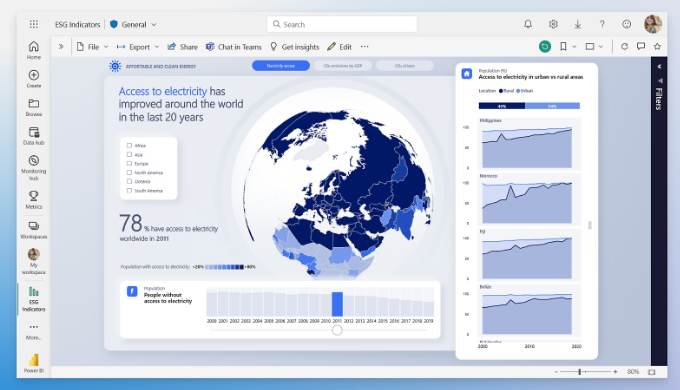
Microsoft also provides official Power BI certifications, and BCS offers respected business analysis credentials in the UK.
The key here is to stay consistent and practice what you learn. Try building mini-projects as you go. Over time, you’ll gain both the theory and hands-on experience employers want in entry-level data analyst courses in the UK.
Attend local workshops, industry webinars, and data meetups.
Learning doesn’t have to happen alone. Across the UK, you’ll find data meetups, business analysis workshops, and online webinars happening almost every week.
These are goldmines for networking and hearing from people already working in the field.
You might even discover job leads or mentorship opportunities. Look for events on platforms like Eventbrite or Meetup.com near you.
Even a single workshop can teach you something new, boost your confidence, and remind you that others are on this journey too.
Never underestimate the power of showing up and asking questions. This is why having a LinkedIn profile so important
See Also
Building a Job-Ready Portfolio for BA and BI Roles
Having training is great, but showing what you can do is even better. That’s where your portfolio comes in. It’s your chance to prove you can apply your business analysis and Power BI skills in the real world.
The best part? You don’t need a corporate job to build one. You can start today with public data and personal projects. Let’s walk through how to create a portfolio that not only impresses employers but gets you hired faster.
Real-world Power BI dashboards using public datasets
Anyone can say they know Power BI, but when you show it, people take notice. Use public datasets,from sites like GOV.UK, Kaggle, or the NHS—to create real dashboards.
Focus on making them visually clear, insightful, and relevant to real business scenarios. Think sales reports, HR analytics, or operational trends. Don’t worry about perfecting them, just start.
Include a brief explanation of the problem, the steps you took, and what the final dashboard reveals. When employers see this, they’ll know you’re more than just a learner,you’re a practitioner.
Sample project documentation: BRDs, stakeholder maps, user stories
As a Business Analyst, your job isn’t just numbers; it’s communication. Use your portfolio and business intelligence dashboard to show how you’d approach real business needs.
Write mock Business Requirements Documents (BRDs), stakeholder maps, and user stories.
Pick a hypothetical project,like improving customer service or launching a new feature,and map out how you’d handle it.
This not only demonstrates your analytical thinking but also shows that you understand how to bridge the gap between business and technology.
If you’ve completed training with project work, include those artefacts too, they’re gold.
Host your portfolio on GitHub or personal websites
Source: Github
Now that you’ve created dashboards and documentation, make them easy to find. GitHub is a great platform to host your Power BI files, documentation, and project notes. You can even write short case studies there.
If you want something more visual, build a simple personal website using free tools like Notion, Wix, or Carrd. Ensure that you link it to your CV and LinkedIn profile.
The goal is to say: “Here’s what I’ve done, go see for yourself.” It’s one of the fastest ways to earn trust with potential employers.
See Also
How to Transition Into a BA or BI Role in the UK
Changing careers might sound scary, but trust me, it’s completely doable, especially now, when employers are hungry for analytical thinkers who can also handle tools like Power BI.
All you need is the right approach. In this section, I’ll guide you step-by-step on how to break into Business Analysis or BI, even if you’re starting from scratch.
Internships, shadowing, and freelance data projects
Let’s face it, getting that “first job” can feel like a catch-22. You need experience to get hired, but you need the job to gain knowledge, right? Here’s a hack: start small.
Look for internships (yes, even short-term unpaid ones)on the best job search websites london, volunteer to shadow someone working in BA or BI, or take on freelance gigs with nonprofits or small businesses.
These experiences help you build confidence, apply what you’ve learned, and gather real-life projects for your portfolio. They’re not just stepping stones, they’re springboards.
Tailor your CV and LinkedIn to highlight transferable skills and new training.
Here’s the deal: your CV and LinkedIn should tell a story. Not just about where you’ve worked, but how your past experiences connect to your future in business analysis or BI.
Maybe you’ve handled customer feedback; that’s stakeholder insight. Or perhaps you’ve made reports in Excel, which is data analysis.
Combine these examples with your training in Power BI or business analysis courses in the UK.
Use keywords like “entry-level data analyst,” “Power BI training UK,” and “business analyst with Power BI” so recruiters can find you more easily.
Apply for entry-level Business Analyst or Data Analyst roles.
Now comes the leap. You’ve trained, built your portfolio, and polished your profile; now it’s time to apply. Start with entry-level Business Analyst or Data Analyst roles, especially those open to career changers or recent bootcamp graduates.
Don’t be discouraged if you don’t tick every box, employers often hire for potential, not perfection. Mention your Power BI dashboards, BA documents, and any hands-on projects you’ve completed.
Every application is a step forward, and the more you apply, the more confident you become.

Join Our Business Analysis and Power BI Training Bootcamp
If you’ve made it this far, then you’re serious about breaking into the world of Business Analysis and business intelligence analyst in the UK. And the good news? You don’t have to do it alone; that’s where RKY Careers comes in.
Our UK-based training bootcamp is built to take you from curious learner to confident, job-ready professional.
Let me show you what makes our programme different.
What you’ll get: hands-on training, real projects, career support
At RKY Careers Business Analysis and Power BI bootcamp, everything is built around helping you succeed.
You’ll dive into live training sessions where real instructors walk you through essential business analysis frameworks, stakeholder engagement, and how to use Power BI to build impactful dashboards and reports.
You’ll work on real-world projects, no more guessing what employers want. Additionally, you’ll receive ongoing career support, including CV reviews, LinkedIn profile updates, and mock interviews.
Flexible weekend and evening classes for working professionals
We understand you may already have a 9-to-5, so we made this programme work around your schedule. Our classes run on weekends and weekday evenings, so you won’t have to give up your job to learn new skills.
Each session is recorded, too, so if you miss one, you can always catch up later.
We want every working adult, parent, student, or career changer to have the chance to break into tech without losing sleep or missing key commitments. The flexibility is built in, so there are no excuses for not getting started.
Start your journey to becoming a certified, job-ready Business Analyst with Power BI mastery. Enrol now!
This is your chance to step into a future filled with opportunity. Our bootcamp isn’t just about passing exams; it’s about making sure you feel confident, capable, and fully ready for your next job in tech.
Whether you’re aiming for your first role as a business analyst or want to stand out as a data analyst with Power BI skills, we’ve got you covered. So don’t wait.
Your career pivot starts here. Hit that enrol button today, and let’s build your future, one skill at a time.
FAQ
Can I learn Power BI without a tech background?
Absolutely. Power BI is designed to be user-friendly, even for people with no technical experience..
How long does it take to become job-ready in Business Analysis?
It depends on your learning pace, but many people become job-ready within 3 to 6 months of focused training.
Are UK employers hiring junior BAs with Power BI skills?
Yes and more than ever. UK employers increasingly value candidates who can analyse data and present insights clearly.
What certification should I start with for Business Analysis in the UK?
A great starting point is the BCS Foundation Certificate in Business Analysis, it’s widely recognised across the UK and covers the essential techniques and frameworks.