
Scrum vs Kanban vs Agile
Scrum vs Kanban vs Agile is one of the most debated topics in project management. And if you’ve ever wondered how they truly compare, you’re in the right place.
What exactly makes them different? I’ll walk you through the essentials. That way, you will understand not just the theory but how these methods work in real-life projects.
You’ll discover scrum vs kanban vs agile project management explained in plain language, with insights that are easy to follow and apply.
By the end of this guide, you’ll clearly see the agile vs scrum vs kanban comparison. And know exactly which approach can help you deliver better results.
Understanding Agile, Scrum, and Kanban
When exploring scrum vs kanban vs agile, it’s essential to understand the relationship between these approaches. Agile itself is not a tool but a mindset, a philosophy that guides how teams deliver value.
Scrum and Kanban are two popular frameworks within this philosophy, each offering distinct practices. Ultimately, Agile sets the principles, while Scrum and Kanban provide structured ways to apply them.
Let’s explore how each framework fits within the Agile framework.
What Agile Really Means in Project Management
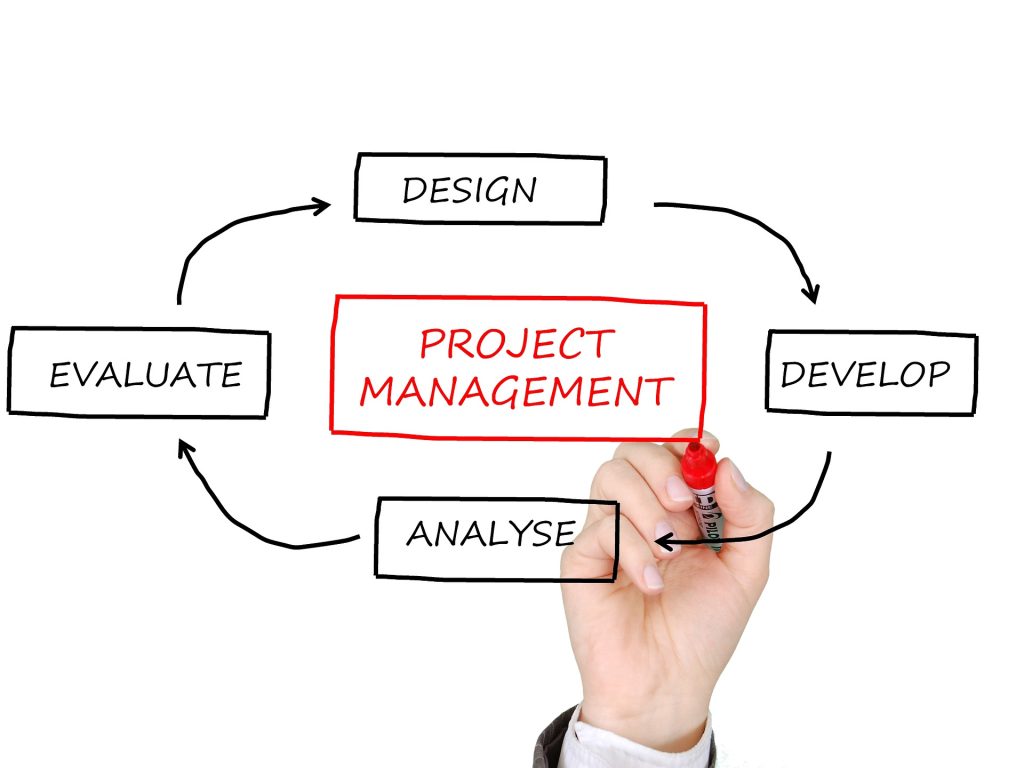
You may be wondering: what is Agile, exactly? Agile is a philosophy rooted in flexibility, collaboration, and delivering value in short cycles. It’s not just a set of rules; it’s a way of thinking that shapes how projects unfold.
Little wonder 71% of survey-organisations use Agile in their software development lifecycle (SDLC).
In practice, Agile encourages teams to adapt to change, learn from feedback, and improve continuously. When people search for scrum vs kanban vs agile explained, they often expect a technical answer.
But Agile is broader than Scrum or Kanban. It focuses on values like customer collaboration, responding to change, and prioritising working solutions.
And without understanding Agile’s core, using Scrum or Kanban can feel mechanical. Agile is the umbrella, while Scrum and Kanban are specific frameworks that demonstrate how these values are put into action.
Read also:
Where Scrum Fits Within Agile
Scrum is one of the most widely used Agile frameworks today. When people ask for scrum framework explained, I always point to its structure. And Scrum continues to be the most popular team-level methodology, used by 63% of Agile users in 2024.
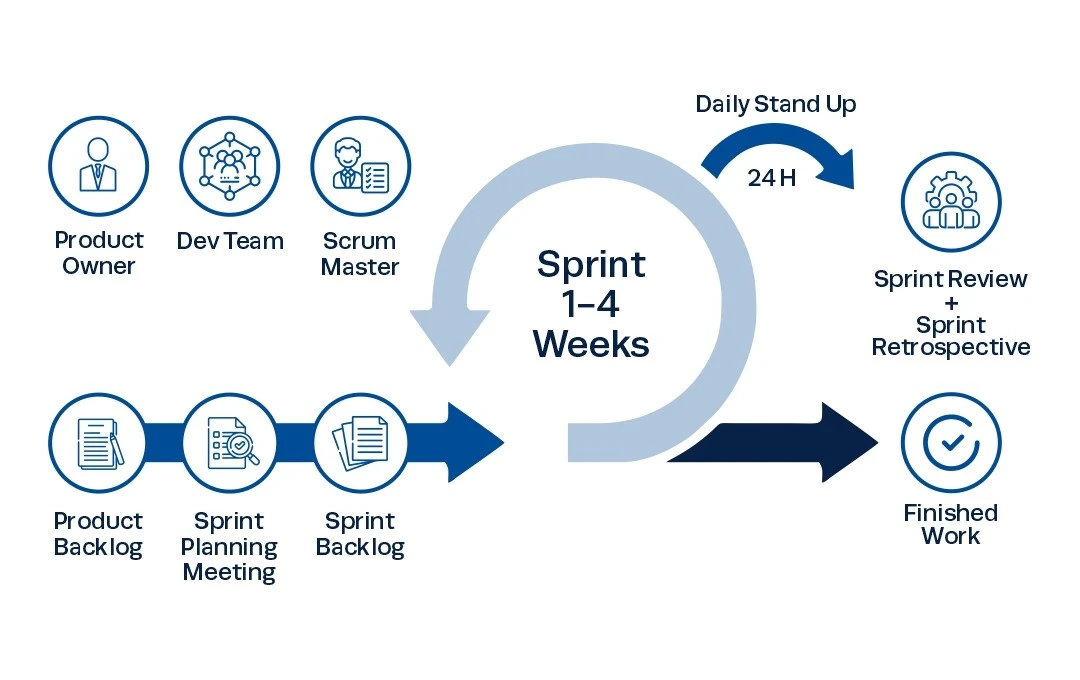
Scrum offers a clear system of time-boxed events, defined roles, and artefacts that keep teams focused. It’s iterative, meaning work is delivered in sprints, usually lasting two to four weeks.
Now, here’s the deal: Scrum is perfect for teams that need structure and accountability. It thrives in environments where frequent delivery and regular feedback loops are critical. Still, Scrum is not Agile itself. It’s a way to practice Agile.
When teams consider an Agile vs. Scrum vs. Kanban comparison, it’s essential to view Scrum as an implementation rather than a philosophy.
Scrum fits by turning Agile values into practical steps.
Where Kanban Fits Within Agile
Kanban can be easily misunderstood, but it’s a powerful project management tool within Agile. Unlike Scrum, Kanban doesn’t use strict time-boxed sprints. Instead, it focuses on flow.
In a 2024 survey, 87% of Kanban adopters reported that Kanban was more or much more effective than their previous work-management methods.
Through kanban agile project management, work is visualised on boards and moved through stages until completion. The beauty of Kanban lies in its flexibility. Teams can start using it without requiring major process changes.
Wondering how it fits within Agile? Kanban supports Agile values by enabling continuous delivery and transparency. It helps teams limit work in progress and avoid bottlenecks, making improvements easy to spot.
When people search for scrum vs kanban pros and cons, Kanban’s biggest pro is simplicity. However, remember that Kanban is not Agile itself, but rather a framework that operates within Agile’s broader philosophy.
Key Features of Scrum
When comparing scrum vs kanban vs agile, Scrum’s defining features are worth exploring. Scrum operates with sprints, roles, and artefacts that guide the process. Its structure creates accountability, predictability, and a focus on prioritising tasks to deliver value quickly.
As a project manager, if your team needs clear boundaries and rhythm, Scrum may be the better choice. The reason is that Scrum is detailed and prescriptive. Offering teams a playbook that helps them avoid confusion while sticking to Agile values.
Sprint Planning and Time-Boxed Iterations
Imagine this: a team sits together to decide what can realistically be achieved in the next two weeks. That’s sprint planning. It’s a cornerstone of Scrum and a huge part of why the Scrum framework makes sense to so many teams.
The sprint creates focus, with a time-box that ensures goals are both achievable and measurable. You see, the difference between Scrum and Kanban in Agile often lies here. Kanban is continuous, but Scrum sets aside blocks of time.
In practice, Sprint planning ensures clarity. Teams know what’s expected, and stakeholders know when to expect it. For readers comparing scrum vs kanban chart, this time-boxed nature is one of the clearest visual differences.
Sprints break work into chunks, while Kanban focuses on flow without artificial deadlines.
Read also:
Roles: Scrum Master, Product Owner, Development Team
Let’s dig a little deeper into Scrum roles. At the heart of Scrum are three distinct responsibilities: Scrum Master, Product Owner, and Development Team.
The Scrum Master ensures the process runs smoothly, guiding the team in Agile practices. The Product Owner defines priorities and represents the customer’s voice. Meanwhile, the Development Team gets the work done, collaborating closely to meet sprint goals.
This structured division highlights the difference between scrum and kanban in agile. Kanban doesn’t define roles this rigidly. Scrum’s clarity of roles avoids confusion and empowers teams to focus.
In fact, when debating which is better scrum or kanban, roles often tip the scale in Scrum’s favour. However, remember that roles bring responsibility, and Scrum’s success depends on everyone embracing their part fully.
Artefacts: Backlogs and Burndown Charts
Here’s an example: a Product Backlog lists everything the product might need, while a Sprint Backlog details what’s committed for the sprint. Together, they create transparency and order.
Another key artefact is the Burndown Chart, which shows progress over time. With such artefacts, teams can measure, adapt, and improve. These artefacts are why many find scrum vs kanban chart comparisons useful.
Kanban uses boards for visualisation, but Scrum goes further by embedding metrics and backlog management. In essence, these artefacts provide teams with checkpoints to gauge their performance.
When analysing scrum vs kanban vs scrumban, Scrum artefacts often blend with Kanban’s boards in hybrid models. That’s the beauty of Agile flexibility.

Master Scrum vs Kanban vs Agile with RKY Careers Project Management Bootcamp.
Gain hands-on skills, real-world insights, and the confidence to lead projects successfully.
Ready to transform your career?
Enrol today and unlock the power of Agile methodologies!
Key Features of Kanban
Kanban shines when work needs to flow continuously. Its strength lies in visualisation, limiting work in progress, and improving delivery speed.
With kanban agile project management, teams can identify bottlenecks early, manage risks, and make data-driven decisions.
But Kanban doesn’t require sweeping organisational changes. That’s why when people compare scrum vs kanban pros and cons, Kanban’s low barrier to entry often makes it appealing.
It’s Agile made simple, without overloading teams with heavy structure.
Visualising Work With Boards and Cards
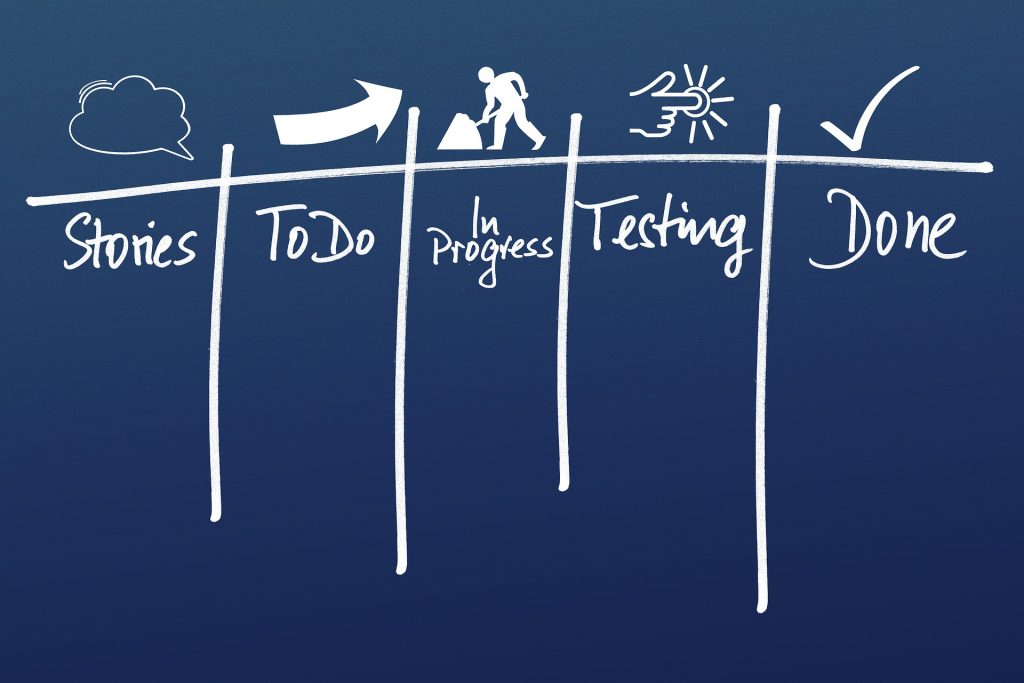
Picture a team using sticky notes on a whiteboard or digital cards on software tools. That’s Kanban in action. Work items are displayed visually, moving through stages like “To Do,” “In Progress,” and “Done.”
This method brings clarity, enabling teams to identify issues promptly. When people search for agile methodologies examples, Kanban boards are among the most common illustrations. And the best part is that visualisation fosters collaboration.
Everyone can see the workflow, understand priorities, and track progress at a glance. In contrast with Scrum, Kanban doesn’t tie tasks to a sprint cycle. Instead, it emphasises flow.
Limiting Work in Progress (WIP)
Here’s why limiting work in progress matters: multitasking slows you down. In Kanban, teams set WIP limits to ensure focus.
For example, only a limited number of tasks can be in the “In Progress” state at any given time. This simple rule prevents bottlenecks and maintains a steady flow. When readers explore scrum vs kanban pros and cons, WIP limits often land in Kanban’s “pro” column.
Why? Because fewer parallel tasks mean faster delivery.
On the other hand, Scrum uses time-boxed sprints instead of WIP limits, highlighting a key difference between scrum and kanban in agile. By enforcing WIP limits, teams avoid burnout, deliver faster, and sustain quality.
Continuous Delivery and Flow
Now, let’s explore Kanban’s promise of continuous delivery. Unlike Scrum’s sprint cycle, Kanban allows work to flow at the team’s pace. There are no artificial deadlines, only a steady stream of value delivered when tasks are complete.
This makes Kanban attractive for maintenance, support, or operations teams. When comparing scrum vs kanban chart, Scrum’s cadence looks like peaks and valleys, while Kanban shows a smooth stream.
That’s why in agile methodologies examples, Kanban often demonstrates flow best. But here’s something interesting: continuous delivery requires discipline. Teams must monitor cycle time, identify delays, and commit to improvement.
When considering which is better scrum or kanban, continuous flow gives Kanban the edge for teams handling unpredictable work.
Read also:
Scrum vs Kanban vs Agile: Core Differences
So, what’s the point of comparing scrum vs kanban vs agile? The goal is to understand their differences. Agile is the mindset, Scrum provides a structured framework, and Kanban focuses on visualisation and flow.
Each has unique project management method, depending on the team’s needs. Teams often struggle when choosing, which is why exploring scrum vs kanban vs agile explained helps.
To simplify, Agile is a philosophy, Scrum is iterative, and Kanban is continuous.
Iterative vs Continuous Workflows
Let’s get this show on the road: Scrum is iterative, while Kanban is continuous. Scrum’s sprints break projects into small, timed chunks. Each sprint concludes with a review and planning session for the next one.
This rhythm suits teams that need predictability. On the other hand, Kanban embraces flow. Work moves as capacity allows, delivering continuously. For teams comparing scrum vs kanban vs scrumban, this workflow distinction is central.
Agile, of course, can house both approaches, adapting to context. The point is that Scrum thrives when cycles matter, while Kanban shines when flexibility rules. If you’re considering scrum vs kanban pros and cons, think about your team’s preference: deadlines versus flow.
Team Roles and Flexibility
OK, I know what you’re thinking: do roles really make a difference? Absolutely. Scrum defines three clear roles, as mentioned earlier, while Kanban doesn’t impose any specific structure.
This flexibility means teams can adapt Kanban to their context. For those evaluating agile vs scrum vs kanban comparison, roles are a critical factor. Scrum’s prescriptive roles bring clarity, but Kanban’s flexibility avoids overhead.
That’s why hybrid models emerge in scrum vs kanban vs scrumban. Teams enjoy structure where needed and flexibility elsewhere.
If you want clear boundaries, Scrum fits. If you value adaptability, Kanban is stronger. When stakeholders ask which is better scrum or kanban, the answer often depends on how much structure your team needs.
Project Suitability (Small Teams, Large Enterprises, Startups)
Here’s something we can both agree on: not every team is suited to every framework. Scrum thrives in small to medium teams that need structure. Startups, for instance, benefit from sprints that create accountability.
Kanban, however, scales beautifully, fitting both startups and large enterprises. It excels in operations-intensive environments or anywhere continuous flow is crucial.
That’s why in scrum vs kanban vs agile explained, project type matters so much. Agile as a philosophy adapts across contexts, but frameworks specialise. In scrum vs kanban chart visuals, you’ll often see Scrum tied to cycles and Kanban to flow.
Choosing the Right Framework for Your Team
At this point, you realise the scrum vs kanban vs agile debate isn’t about right or wrong but fit. Agile is a philosophy, Scrum is a structure, Kanban is a flow.
So how do you decide?
Think about your team’s culture, project type, and appetite for change. For many, reading scrum vs kanban pros and cons sparks clarity. Don’t pick based on trends. Instead, align the framework with your goals.
When to Use Scrum
If your team has shifting priorities, stakeholders who expect regular updates, and projects where predictability is key. That’s when Scrum shines.
Its defined sprints, roles, and artefacts create rhythm and transparency. For startups and smaller teams, Scrum’s prescriptive nature offers stability. In scrum vs kanban pros and cons, Scrum’s biggest strength is clarity of process.
Still, some ask which is better scrum or kanban? The truth is that Scrum is most effective when time-boxing and accountability are crucial. It ensures stakeholders stay engaged and teams stay focused.
If your team struggles with prioritisation or commitment, Scrum’s sprint planning may be the game-changer you need.
When to Use Kanban
However, if your team thrives on flexibility, Kanban is your ally. Imagine work flowing smoothly, free from sprint deadlines. That’s Kanban’s strength. It suits teams that handle continuous tasks, such as support or operations.
In a construction project using Kanban, task visualization and weekly planning via Kanban boards increased the completion of planned tasks from ~81% to 100%.
In scrum vs kanban vs agile explained, Kanban often appeals to teams that resist rigid processes. With kanban agile project management, visual boards and WIP limits create focus without heavy ceremonies.
In scrum vs kanban chart illustrations, Kanban appears as a seamless flow. The best part is that Kanban can start small. You don’t need to overhaul your process.
If your team needs transparency, speed, and adaptability, Kanban is a solid choice.
Read also:
Hybrid Approaches Combining Scrum and Kanban (Scrumban)
But hang on a minute: what if you could blend structure with flexibility? That’s where Scrumban comes in. It’s a hybrid that combines Scrum’s discipline with Kanban’s flow.
Teams that explore scrum vs kanban vs scrumban often find Scrumban balances the best of both.
For example, you can use Scrum’s sprint planning while adopting Kanban’s WIP limits. This blend creates adaptability without losing accountability. In agile vs scrum vs kanban comparison, Scrumban demonstrates how frameworks evolve to meet real-world demands.
Still, Scrumban is not a formal methodology but a practical adaptation. It thrives where teams need structure but also crave freedom. So, if you’re caught in the which is better scrum or Kanban debate.
Remember, Scrumban might be the compromise that unlocks balance.
FAQs: Scrum vs Kanban vs Agile
What is the main difference between Agile, Scrum, and Kanban?
Simply put, Agile is the mindset, Scrum is a structured framework with defined roles and sprints, while Kanban is a visual workflow method focused on continuous delivery and limiting work in progress.
Is Scrum or Kanban better for beginners in project management?
Scrum offers beginners clear roles, time-boxed sprints, and structure, making it easier to learn. Kanban is simpler to start but requires discipline. The best choice depends on the team’s project needs.
Can you use Scrum and Kanban together in one project?
Yes, teams can combine Scrum’s structured sprints with Kanban’s visual workflow and WIP limits. This hybrid approach, called Scrumban, allows flexibility, structure, and improved flow in managing projects effectively across different contexts.
How do companies decide between Scrum and Kanban in agile adoption?
Companies consider project complexity, team maturity, delivery goals, and customer needs. Scrum fits teams needing structure and predictability, while Kanban suits teams seeking flexibility and continuous flow in agile adoption strategies.