How to Prioritise Tasks and Manage Time Effectively for Increased Productivity
Have you been finding it difficult to prioritise tasks? Or are you searching for techniques to help with time management? This article provides expert tips to prioritise tasks and manage time effectively.
Effective time management is essential for getting things done and reducing stress. A tip on how prioritise tasks and manage time is to focus on what is most important and urgent. This approach helps you allocate your limited time to activities that matter, allowing you to accomplish your goals more efficiently.
Creating a to-do list is a helpful way to organise your tasks. You can assess which items are high priority and require immediate attention by listing everything you need to do. Breaking larger projects into smaller tasks makes it easier to stay on track and feel accomplished as you check items off your list.
Balancing your workload involves regularly reviewing your goals and adjusting your plans. By keeping your priorities in check, you can ensure that you are constantly working on what contributes most to your overall success. Time management is not just about working harder; it’s about working smarter.
Why Prioritising Tasks Improves Productivity

Prioritising tasks helps you use your time effectively and accomplish more daily. When you know what is most important, you can focus your energy on those tasks and avoid wasting time on less critical activities.
Defining Priorities
To define your priorities, start by listing all your tasks. Next, identify which ones are urgent and which are essential. You can use a simple chart to help:
| Task | Urgent | Important |
| Project Due Soon | Yes | Yes |
| Email Response | Yes | No |
| Long-term Planning | No | Yes |
Once you outline your tasks, decide which ones to tackle first. Focus on urgent and essential tasks that contribute most to your goals. This method can clear your mind and provide a clear path forward.
See also: 7 Soft Skills You Need to Achieve Career Growth
The Impact of Poor Task Management on Time
Poor task management can lead to wasted time and missed deadlines. When you treat all tasks as equally important, you may find yourself overwhelmed. Doing so can cause stress and reduce your output.
Failing to prioritise also means that urgent tasks can be left undone. You may spend hours on low-value work while important tasks pile up, which not only affects your productivity but may also impact team performance.
By managing your tasks better, you prevent these issues, which leads to improved focus and a sense of achievement as you complete what truly matters.
Common challenges in prioritising work

Many people face challenges when trying to prioritise tasks. Some common issues include:
- Lack of clarity: You may not have a clear idea of your goals, making it hard to decide which tasks are most important.
- Overwhelm: When you have too many tasks, it can feel impossible to manage everything. You might struggle to focus on what matters.
- Procrastination: Delaying tasks can lead to last-minute stress. It’s easy to push aside hard or boring jobs.
- Distractions: Daily interruptions can disrupt your focus, which makes it challenging to stay on track.
- Poor time estimation: Sometimes, you may not accurately estimate how long a task will take, which can cause you to misplace your priorities.
- Fear of missing out: You might feel pressured to do every task, even if it’s not crucial, which can lead to taking on too much work.
To manage these challenges effectively, consider these tips:
- Set clear goals: Write down what you want to achieve. Doing this will help you focus on the most critical tasks.
- Break tasks down: Smaller tasks are easier to handle. Split larger projects into manageable steps.
- Limit distractions: Find a quiet workspace. Turn off notifications during work time.
- Stick to deadlines: Create due dates for your tasks. Doing this can help you stay on schedule.
See also: How To Ask for a Deadline Extension at Work
Effective Strategies to Prioritise Tasks
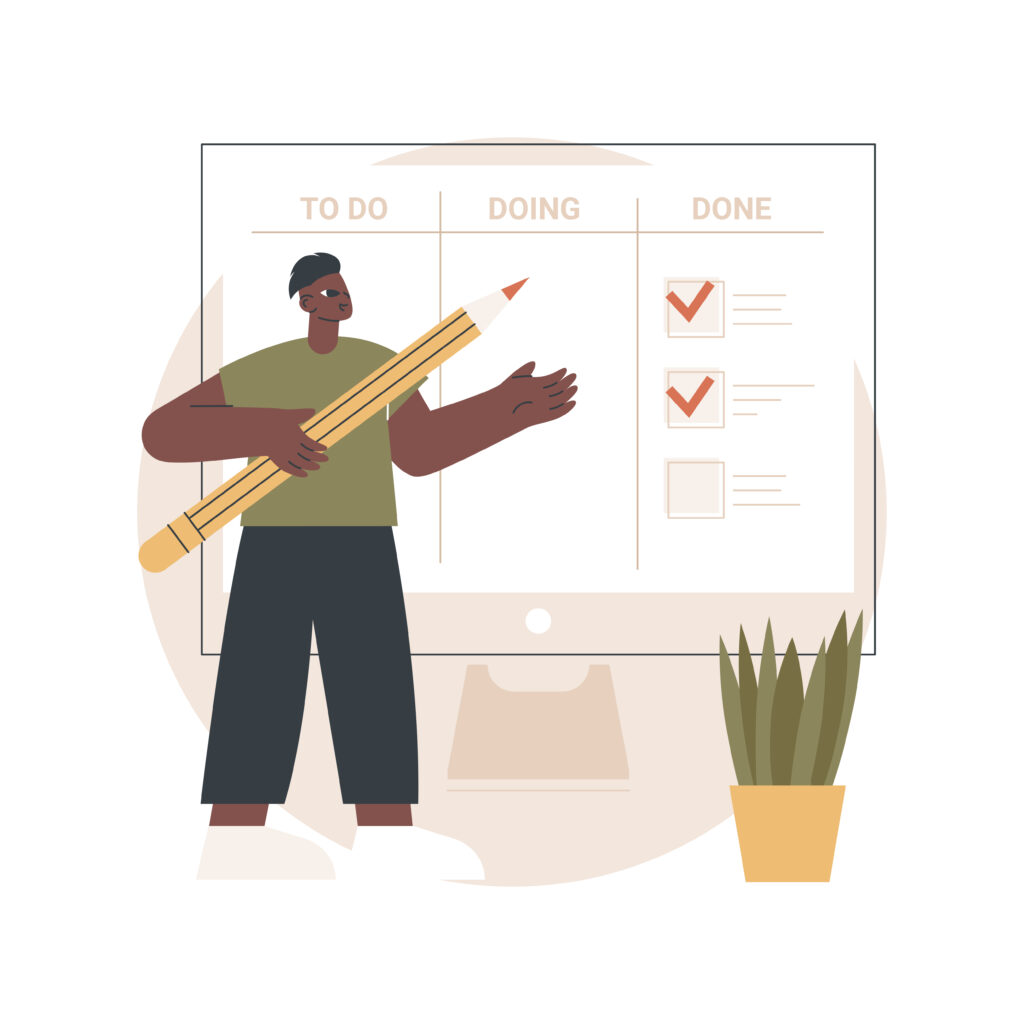
Prioritising tasks effectively can improve your time management. Several techniques can help you sort tasks based on their importance and urgency. Below are some proven strategies to help you focus on what matters most.
Using the Eisenhower Matrix for Task Prioritisation
The Eisenhower Matrix divides tasks into four categories based on urgency and importance. You can create a simple table like this:
| Importance | Urgent | Not Urgent |
| Important | Do First | Schedule |
| Not Important | Delegate | Don’t Do |
- Do First: Tasks that are both urgent and important. Complete these immediately.
- Schedule: Important but not urgent tasks should be planned for later.
- Delegate: Urgent but unimportant tasks can be passed on to someone else.
- Don’t Do: Avoid tasks that are neither urgent nor important.
This method allows you to visualise where to focus your efforts.
The ABCDE Method for Task Ranking
The ABCDE Method helps you organise tasks more directly. Here’s how it works:
- A: Must do. These are your top priorities.
- B: Should do. Important but less urgent than A tasks.
- C: Nice to do. These tasks are low-priority and can wait.
- D: Delegate. Pass these tasks to someone else.
- E: Eliminate. Remove tasks that add no value.
By categorising tasks, you can see what needs immediate attention and what you can postpone.
Identifying Urgent vs. Important Tasks
To manage your time well, know the difference between urgent and important. Urgent tasks need immediate action, while important tasks contribute to long-term goals.
To help you decide:
- List tasks that feel urgent and those that seem important.
- Ask yourself: “Does this task help achieve my goals?”
- Focus primarily on important tasks that contribute to your broader objectives.
Knowing this difference will guide your daily actions and help you prioritise effectively.
Time Management Techniques to Boost Efficiency
Effective time management techniques can help you work smarter, stay organised, and achieve your goals. Two powerful methods to consider are time blocking and batching, as well as the Pomodoro Technique.
Time Blocking and Batching for Better Focus
Time blocking involves setting specific blocks of time for each task on your list. Here’s how to do it:
- Create a Daily Schedule: Write down your tasks for the day. Assign time slots to each task based on their priority.
- Avoid Multitasking: Focus on one task during each time block. Doing this helps reduce distractions and increases productivity.
- Batch Similar Tasks: Group similar tasks together. For example, set a block for responding to emails or making phone calls.
This technique allows you to have better control over your day. You can adjust blocks as needed, helping you manage unexpected interruptions.
The Pomodoro Technique for Managing Work Intervals
The Pomodoro Technique is a great way to maintain focus while working. Here’s how it works:
- Choose a Task: Select a specific task you want to complete.
- Set a Timer: Work on the task for 25 minutes. This act is called one “Pomodoro.”
- Take a Short Break: After 25 minutes, take a 5-minute break to recharge. Repeat this cycle four times.
- Longer Break: After four Pomodoros, take a longer break of 15-30 minutes.
Using this method helps you concentrate better. The breaks prevent burnout and keep your mind fresh, which boosts overall efficiency in your work.
See also: Project Management Tools And Software For Beginners
How to Set Realistic Deadlines and Stick to Them
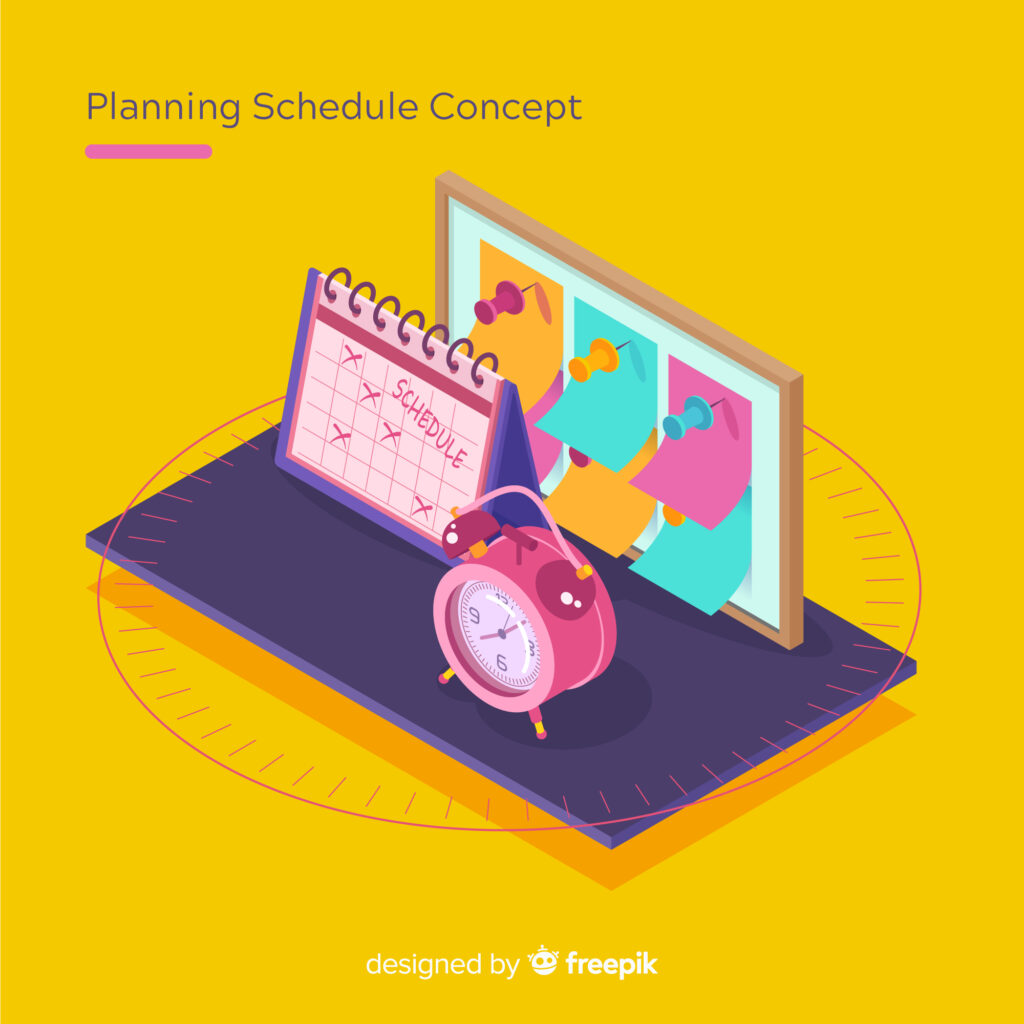
Setting realistic deadlines is important for time management. Here are steps to help you with this process:
- Break Down Tasks: Divide larger tasks into smaller, manageable parts to make it easier to estimate how long each part will take.
- Use Time Estimates: Consider how long you expect each task to take. Be honest and consider past experiences to make better estimates.
- Set Milestones: Create milestones for big tasks. Doing this helps you track progress and keeps you motivated. Celebrate small achievements along the way.
- Factor in Buffers: Always add extra time for unexpected issues. For example, if a task should take 2 hours, consider setting a deadline of 2.5 or 3 hours.
- Prioritise Your Tasks: Rank your tasks by urgency and importance. Use a simple list or a table to organise them.
| Task | Priority | Estimated Time | Deadline |
| Task 1 | High | 2 hours | 10 Am |
| Task 2 | Medium | 1 hour | 2 Pm |
| Task 3 | Low | 30 minutes | 4 Pm |
- Review and Adjust: At the end of each day or week, check your progress. If you didn’t meet deadlines, adjust your estimates for next time.
By following these steps, you can create and stick to effective deadlines.
Balancing Multiple Priorities and Staying Organised
Balancing different tasks can be challenging. You need to prioritise effectively. Here are some strategies to help you stay organised:
- Make a List: Write down all your tasks. Seeing them on paper can help you decide what to tackle first.
- Use Categories: Group tasks by urgency and importance. You can use a simple 2×2 grid.
- Set Deadlines: Assign realistic timeframes to your tasks. Deadlines create a sense of urgency.
- Break Tasks Down: Large tasks can be overwhelming. Break them into smaller, manageable steps.
- Use Tools: Consider using apps or planners to keep track of your tasks. Digital tools can send reminders and help you stay focused.
- Review Regularly: Take time weekly to review your progress. Adjust your priorities as needed.
Cultivating these habits can lead to a more organised approach. You will find it easier to manage tasks and reduce stress. Focus on one task at a time for better results.

Ready to input those soft skills on your CV?
Book our service to get started!
Conclusion
In conclusion, learning how to prioritise tasks and manage time effectively is essential for achieving your goals and reducing stress. Start by listing your tasks, ranking them by importance and deadlines, and using tools like calendars or planners to stay organised.
Remember, small steps lead to big results, so focus on making daily progress. Take charge of your time and watch how it transforms your productivity. Begin implementing these strategies today for a more balanced, fulfilling life.
FAQs on How to Prioritise Tasks and Manage Time
1. How do I handle unexpected tasks that disrupt my priorities?
Handling unexpected tasks that disrupt priorities requires flexibility, effective time management, and decision-making skills. Here are steps to help:
- Assess urgency and importance: Evaluate the task’s impact and deadline.
- Re-prioritise: Adjust existing tasks to accommodate the new ones.
- Focus on one task at a time: Minimise multitasking.
- Delegate when possible: Share responsibilities.
- Use time-blocking: Schedule specific times for tasks.
2. What tools can I use to help prioritise tasks effectively?
Here are popular tools to help prioritise tasks effectively:
Digital Tools:
1. Trello (Kanban boards)
2. Asana (task management)
3. RescueTime (time tracking)
4. Evernote (note-taking)
5. Jira (agile project management)
Paper-Based Tools:
1. Bullet Journal
2. Planner or agenda
3. Sticky notes
4. Mind mapping
5. Priority matrices
3. How can I improve my time management if I struggle with procrastination?
To improve time management while struggling with procrastination:
1. Break tasks into smaller, manageable chunks.
2. Set clear goals and deadlines.
3. Prioritise tasks using the Eisenhower Matrix.
4. Use the Pomodoro Technique (25-minute work + 5-minute break).
5. Eliminate distractions with tools like website blockers.
6. Create accountability with a study buddy or partner.
7. Reward progress and celebrate small wins.
4. Is multitasking a good way to prioritise tasks and manage time efficiently?
Multitasking is only sometimes efficient, as it reduces focus, increases errors, decreases quality, causes mental fatigue, and wastes time.
Instead, prioritise tasks, use time-blocking, and batch similar tasks. Focus on high-importance tasks first.
Multitasking works best for routine, low-complexity tasks or simultaneous monitoring. Focus on one task, minimise distractions, and take breaks for optimal productivity.