
What Is a Product Backlog in Agile
What is a product backlog in agile? Have you ever wondered how teams figure out what to build next? Well, a product backlog is the answer. It is a master list of all the work needed for a product.
This includes new features, fixes, and even small tasks. Think of it as the single source of truth for your team. This list is always changing and growing. It ensures your team works on the most valuable items first.
Definition of a Product Backlog in Agile
You may be asking, what is a product backlog in agile? It is a single, prioritised list. It contains all the work needed for a product. Items are ordered by what matters most. For instance, value, risk, and urgency. It acts as a shared plan for the team, the product owner, and other key people.
The Role of the Product Backlog in Scrum and Agile
The product backlog is a key component of the Scrum method. It is the main way for a product owner to guide a product’s direction. It holds all the possible work for the team. This ranges from big ideas to small bug fixes.
It is the central hub for agile backlog management.
The 17th State of Agile report claims 87% of agile teams use Scrum. This illustrates the importance of a well-structured product backlog for modern development teams. The backlog is like a roadmap for a product’s journey.
It contains everything the team will do to build and improve the product. Its contents are always changing. This is a main principle of agile. Agile backlog management is a vital skill. It helps you adapt to new user feedback or market changes.
Product Backlog vs Sprint Backlog
Let’s clear this up. The primary difference lies in scope and time. The product backlog is for the long term. It holds all known work for the product. It has a wide, big-picture focus. A sprint backlog is just a small part of the product backlog.
The team selects items from the product backlog to work on during a short period, known as a sprint. Consider this: The product backlog is your full list for a road trip. The sprint backlog is the list of things you will do on day one. The team creates the sprint backlog in a planning meeting.
Scrum backlog explained is a forecast of what a team thinks it can accomplish during a single sprint. The main difference between a product backlog vs sprint backlog is their level of detail and timeframe.
Read Also:
Key Elements of a Product Backlog
A product backlog is more than a simple list. It is a live list with a special structure. This ensures it is clear and easy for the project manager. Each item in the backlog has enough detail. The team can easily understand what needs to be done.
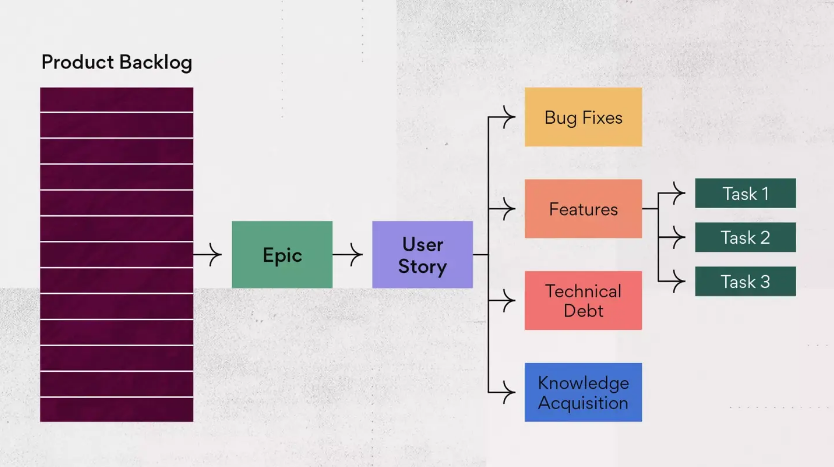
Image Credit: asana
User Stories and Features
You might be wondering, what are product backlog items examples? The most common are user stories. These stories describe a product feature. They are written from the user’s perspective. They often follow a simple format:
“As a [user type], I want to [goal], so that [reason].” This format helps the team see the value behind the work. They are a great tool for building empathy. A feature is a larger piece of work. It is often made of several user stories.
Here’s an example: a feature could be “an online payment system.” This feature could be broken into user stories. For example, “As a customer, I want to pay with a credit card.” Or, “As a customer, I want to save my card details.” This helps to break down big projects.
Technical Tasks and Bugs
But wait, there’s more. A product backlog also has technical tasks and bug fixes. Technical tasks are necessary for the product to function properly. This includes tasks such as updating a server or fixing code. These tasks are crucial for keeping the product operational and enabling it to grow.
Bugs are defects or errors in the product. They are also added to the backlog and prioritised. A bug that affects many users may be ranked higher than a new feature. This is a key part of what is a product backlog in agile.
Prioritisation of Backlog Items
Product backlog prioritisation is a crucial part of managing it. Not all items are equal. The product owner ranks items in order of importance. This ensures the team always works on the most valuable tasks first.
A well-prioritised backlog ensures you deliver value with every sprint. It is a key element of what is a product backlog in agile.
Read Also:
- What Does Scrum Mean in Project Management
- How to become a Certified Scrum Master (CSM) in UK step-by-step
Who Owns and Manages the Product Backlog?
The product backlog is a shared tool, but it needs a clear owner. This ensures it stays organised and aligned with the product’s vision.
Without clear ownership, the backlog can become a disorganised mess. The answer to who manages product backlog is both simple and a little complex.
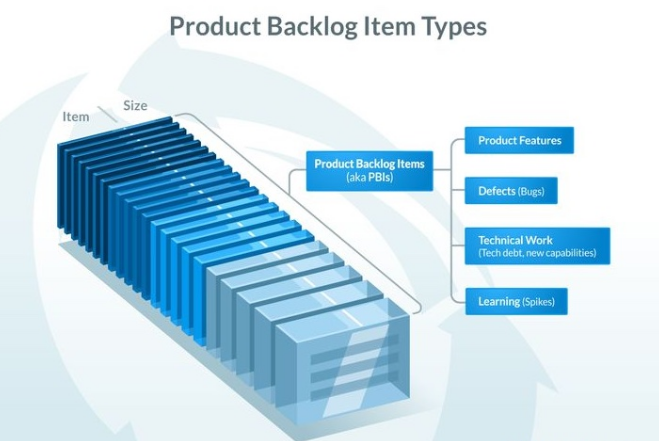
Image Credit: Scrum Institute
Role of the Product Owner
The product owner is the main owner of the backlog. They are responsible for defining the product vision. They also manage the backlog itself, write user stories, prioritise items, and ensure the backlog is clear to everyone.
The product owner speaks for the customer. They decide what to build and what not to build. Their job is to get the most value from the product team. This means having a deep understanding of the market and the customer.
It is a key part of agile product backlog explained. A 2023 Forrester report emphasises that having a strong, empowered product owner is critical for efficiency and for ensuring the product delivers value.
How Teams Contribute to Backlog Refinement
The product owner owns the backlog. But the whole team helps refine it. This includes developers, designers, and testers. The team helps clarify and estimate backlog items. They ensure the items are clear and ready for work.
This process is called backlog grooming or refinement. Backlog grooming in agile is a very important activity. It is a team effort. The team and product owner meet often to review and update the backlog.
This ensures the backlog is always ready for the next sprint. The team provides technical insights and estimates. This shared ownership is a key part of what is a product backlog in agile.
Best Practices for Maintaining a Product Backlog
A product backlog is not a static list. It’s a living document that requires ongoing attention and care. Keeping it well-maintained ensures your team stays efficient and focused. Without good maintenance, it can become a list of forgotten ideas.
Prioritising by Business Value
The best practice for product backlog prioritisation is to focus on business value. The items at the top of the backlog should offer the most value. This ensures you always work on the most important things first. It helps your team deliver valuable product features quickly.
Product backlog refinement best practices also include knowing what “value” means. Value can be measured in terms of more money, happier customers, or reduced risk. By prioritising by value, you create a product that customers actually want. This makes every sprint count.
Continuous Backlog Grooming and Refinement
This is a recurring point. The backlog should be refined continuously. Backlog grooming in agile is not just one event. It is a regular meeting where the team looks at the backlog. They clarify items, add details, and update estimates.
This ensures the backlog items are always “ready” for the next sprint. Refinement meetings help keep the backlog neat and relevant. They ensure the team has a shared understanding of what they are building.
A recent Gartner study on agile teams found that teams with regular backlog refinement are more likely to meet deadlines. It is a critical part of what is a product backlog in agile.
Keeping the Backlog Transparent and Visible
A product backlog must be visible to everyone. This includes the team, stakeholders, and even customers. Transparency builds trust and alignment. Everyone is aware of the priorities and the reasons behind the decisions. This is a core agile rule.
Using a visual tool, such as Trello or Jira, can be helpful. This makes the backlog easily accessible to everyone. It helps in having open talks. Transparency helps build a culture of teamwork. It is a key practice. This is a core part of what is a product backlog in agile.
Read Also:
Tools for Managing Product Backlogs
Managing a backlog can be hard. Especially with a large and complex product. Luckily, many tools can help. They offer features for prioritising and working together. Using the right tools is essential for good agile backlog management.
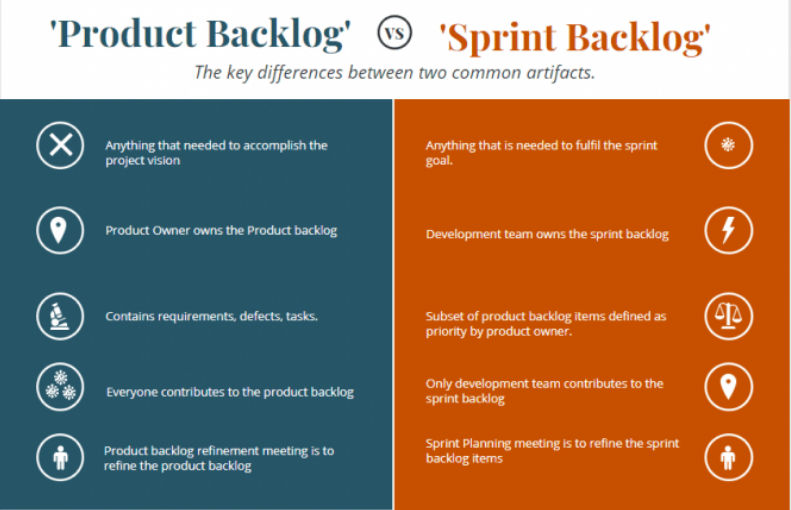
Image Credit: ProjectCubicle
Jira, Trello, and Azure DevOps
- Jira: A highly popular tool for agile teams, Jira is well-suited for complex projects. It has powerful features for creating user stories and tracking project progress.
- Trello: This tool is simple and visual, making it ideal for smaller teams. Its design allows you to easily see your backlog at a glance.
- Azure DevOps: A powerful tool from Microsoft, it’s best for teams that use Microsoft’s development ecosystem. It’s a must-have for those working with Microsoft tech.
Using Backlog Templates for Efficiency
Using a backlog template can save you time and effort. You don’t have to start from scratch. Templates provide a standard structure for your items. This ensures consistency. It makes it easier for the team to understand the items. You can find free templates online for many tools.
Templates can include fields for priority, story points, and status. They help make the process more efficient. They are a good way to get started. It’s a key part of product backlog refinement best practices. They ensure you have a standard way of working.
Visualising Backlogs With Agile Boards
Seeing your backlog visually is a great way to track progress. Kanban and Scrum boards are perfect for this. They allow you to view the workflow from backlog to “in progress” to “done.” It provides a clear overview of the project’s status.
These visual tools build transparency and teamwork. They make it easy for the whole team to see what’s next. They can spot problems. The answer to what is a product backlog in agile becomes very clear. It evolves from an idea into a visual list of tasks.
Conclusion
So, what is a product backlog in agile? It is the core of a good agile project. It’s a live, prioritised list of work that guides your team. It ensures you always focus on delivering the most value. By using its parts and best practices, you can improve your team’s efficiency.
A well-managed product backlog is more than a tool. It is a mindset. It shows a commitment to learning, change, and giving value. Mastering the product backlog will set you apart from others. It is a basic part of modern product management.

Are you a career changer or mid-career professional looking to master agile product management? Learn to create, refine, and prioritise product backlogs like a pro with our Product Management Bootcamp.
We’ll give you the hands-on skills and real-world knowledge you need to secure your next role and stand out from the crowd. Stop just managing tasks and start leading with purpose.
Contact us today to join our next cohorts.
FAQs
What should be included in a product backlog in Agile?
A product backlog in Agile should include user stories, features, technical tasks, and bug fixes. Items are prioritised by business value, risk, and needs.
How is a product backlog different from a sprint backlog?
A product backlog is a complete list of all known work for a product. A sprint backlog is a small part of the product backlog. It only includes the items a team will complete in one sprint.
Who is responsible for updating the product backlog in Scrum?
The Product Owner is mainly responsible for updating the product backlog. They work with the team and stakeholders to ensure it is prioritised, refined, and clear to everyone.
What tools are best for managing product backlogs effectively?
Jira, Trello, and Azure DevOps are among the top tools for managing product backlogs. They help with prioritisation, visualisation, and teamwork, keeping teams organised.