
How to Become a Project Manager: RKY Career Guide
Are you the type who thrives on structure, loves ticking boxes, and secretly enjoys turning chaos into a clear plan? Project management might just be your calling, and this is why “How to Become a Project Manager: RKY Career Guide” is a good read for you.
Guess what?
Whether you’re planning a massive product launch, building a new website, or organising a wedding, the skills of a project manager are what keep things on track, on time, and within budget.
But here’s the kicker: you don’t always need a degree or decades of experience to step into the role. With the right combination of skills, certifications, and a strategic mindset, anyone can launch a successful career as a project manager.
In this RKY Career Guide, you’ll learn how to become a project manager, with or without a degree.
We’ll break down the steps, the certifications, the must-have skills, and how to get your foot in the door.
Plus, we’ll even walk through how to grow from a junior PM to a full-fledged programme manager.
Ready? Let’s dive in.
Who Is a Project Manager?
What is a project manager, exactly?
A project manager (PM) is the individual responsible for overseeing a project from initiation to completion.
This includes planning, execution, monitoring, controlling, and closing the project, ensuring goals are met, stakeholders are satisfied, and nothing falls through the cracks.
Project managers act as the bridge between upper management and the teams doing the work.
They are responsible for assigning tasks, setting timelines, managing risks, and, more importantly, delivering results.
Here’s something we can both agree on:
Without a good project manager, even the best ideas can fail due to poor execution.
Key Responsibilities of a Project Manager
You may wonder what Project Managers actually do and what distinguishes them from other roles. Below are the major roles;
- Define project goals, scope, and deliverables
- Create detailed project plans and timelines
- Allocate resources and assign team tasks
- Track progress and performance metrics
- Manage budgets and avoid scope creep
- Communicate updates to stakeholders
- Identify and mitigate risks
- Close projects and gather feedback
Bottom line?
They’re the glue that holds everything together.
Where Project Managers Work (Sectors & Industries)
You may be wondering: Will ‘How to Become a Project Manager: RKY Career Guide’ be my best compass, Do project managers only work in tech?
Well, Project management is a universal career path, nearly every industry relies on PMs to keep operations running smoothly and this guide is just what you need to nmavigate seamlessly.
Here’s a list of sectors actively hiring project managers:
- IT & Software Development
- Construction & Engineering
- Healthcare & Pharmaceuticals
- Finance & Insurance
- Marketing & Advertising
- Education & Public Services
- Retail & Supply Chain Management
And the best part? The skills are transferable across industries. So, switching from one sector to another is absolutely possible.
See also:
Why Project Management Is in Demand
Here’s an eye-opener:
By 2027, employers will need 87.7 million individuals working in project management-oriented roles, according to PMI.
But why?
Digital transformation, remote work, and global competition have made effective project delivery more critical than ever.
Also:
Organisations lose 11.4% of their investment when projects fail.
In the UK, the average salary for project managers ranges from £35,000 to £75,000+, depending on experience and industry.
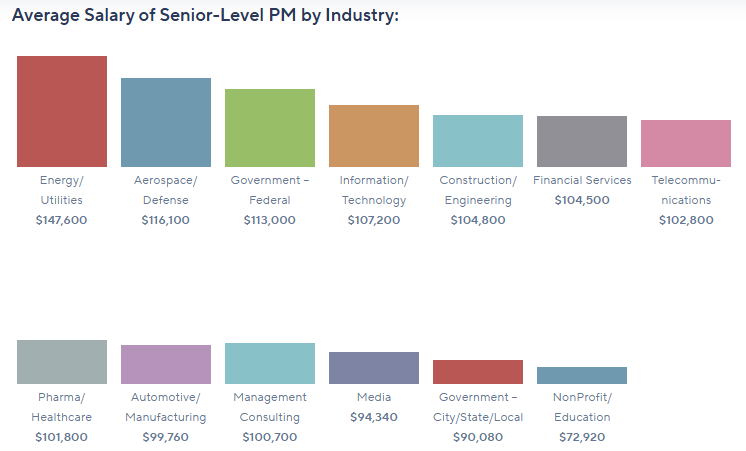
So yes, project management jobs in the UK are booming, and it’s not slowing down.
Steps to Become a Project Manager
So, how can you utilise this technique to break into project management, especially if you’re starting from scratch?
Good news: there’s a clear path forward.
You don’t need to have it all figured out from day one. Many successful PMs start from different backgrounds, such as marketing, admin, customer service, and even teaching.
Here’s how you can do the same thing.
Check out:
Project Management Interview Questions and Answers
Project Management Technical Interview Questions And Answers
Gain Relevant Experience (Transferable Skills & Roles)
But what are transferable skills, exactly?
These are the goldmine of your career switch to project management. You likely already use them—even if you’ve never held the PM title.
Here’s an example:
Have you coordinated team schedules? That’s resource planning.
Managed events or handled logistics? That’s task execution.
Dealt with tight deadlines and changing priorities? That’s scope control and adaptability.
Start with roles like:
- Administrative Assistant
- Team Lead or Supervisor
- Office Manager
- Event Coordinator
- Business Analyst
- Customer Service Team Lead
Even volunteer work, internships, or side hustles that involve coordination or planning count as experience.
Bottom line?
If you can show you’ve handled moving parts, solved problems, and delivered outcomes, you’re already halfway in.
Get Certified (PRINCE2, PMP, Agile, etc.)
Here’s the deal:
Certifications lend credibility, even to project managers without a degree.
In the UK, certain certifications are especially valued by employers.
Let me explain.
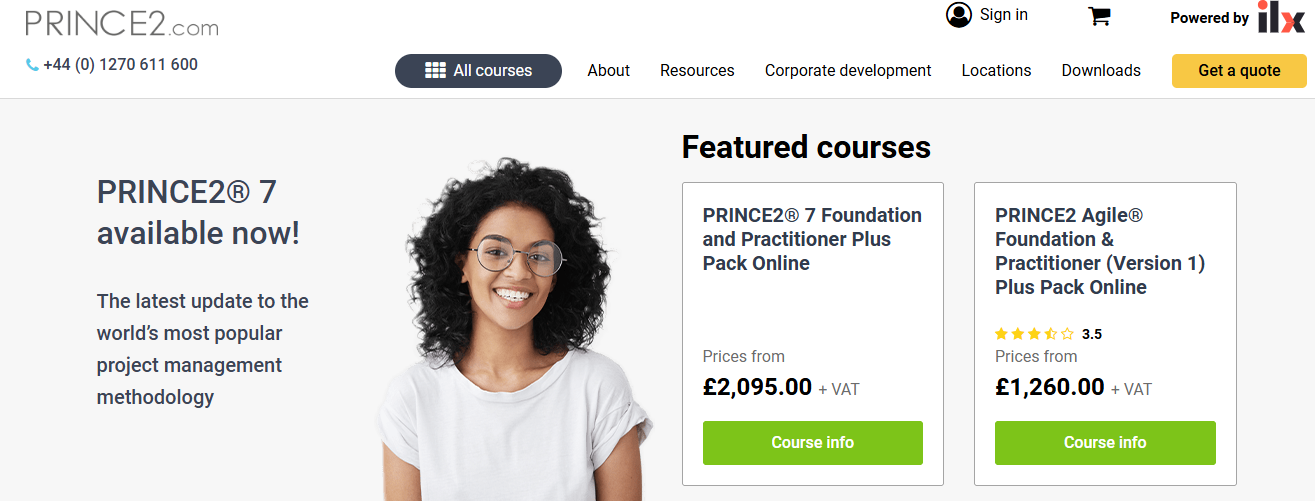
PRINCE2 (Projects In Controlled Environments)
One of the most recognised frameworks in the UK. It focuses on structured project delivery and works well in both public and private sectors.
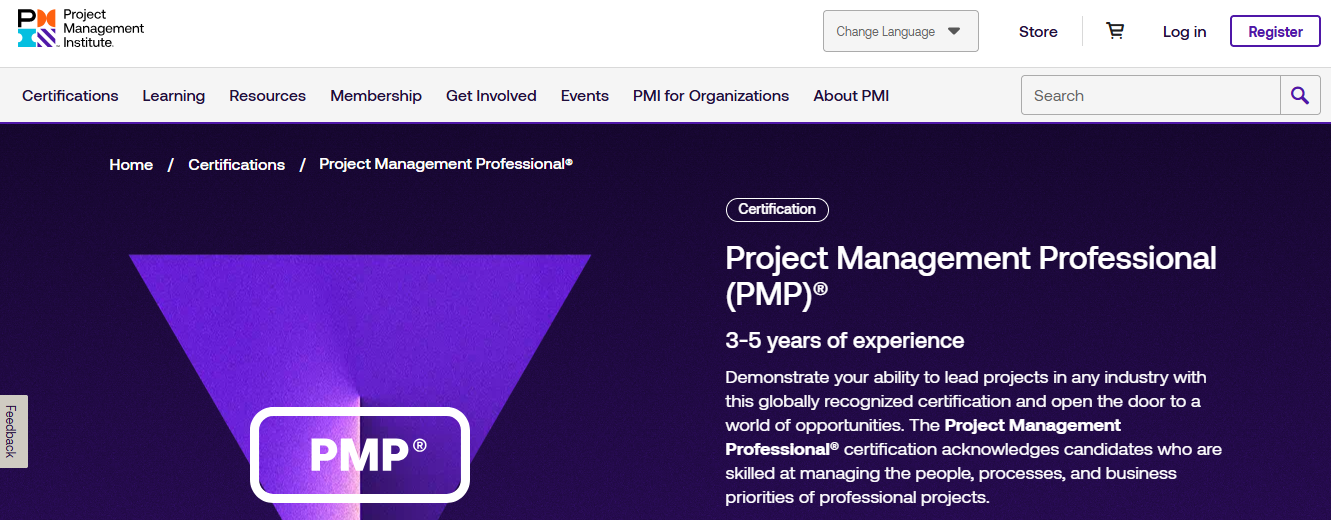
PMP (Project Management Professional)
Offered by the Project Management Institute, it’s globally recognised and often preferred for large-scale or international projects.
Agile Certifications (Scrum, AgilePM, etc.)
Perfect for tech-related roles. Agile vs PRINCE2? Agile is iterative and flexible; PRINCE2 is structured and scalable.
Which one should you choose?
That depends on the industry you want to enter.
Want to know the best part?
You don’t need to break the bank to get certified. Many courses are affordable and can be done online.
Read on :
Build a Job-Ready Project Portfolio
But here’s the kicker: certifications alone won’t get you hired.
You need to prove you can apply what you’ve learned.
This is where a project portfolio comes in.
Here’s how you can do it:
Document any real or simulated projects you’ve worked on (even academic or volunteer projects count).
Show the project goals, tools used, timeline, results, and your specific role.
Use tools like Trello, MS Excel, or Asana to showcase planning and task tracking.
Example:
Volunteered to organise a fundraising event? Break down the tasks, budget, timeline, team roles, and final outcome.
Think of it like your project manager CV on steroids. Show, don’t just tell.
Apply for Entry-Level PM or Coordinator Roles
You’ve gained some experience, got a certification and built a solid portfolio. Now what?
Apply for roles like:
- Project Coordinator
- Project Assistant
- Junior Project Manager
- Operations Coordinator
- PMO Analyst
These roles help you gain hands-on experience, learn from senior PMs, and build your reputation.
Look for openings on:
- Indeed
- Job boards for project management jobs UK
Pro tip:
Use keywords like “project support,” “junior PM,” or “coordinator” to find roles that match your current level.
The bottom line?
Getting your foot in the door is all about matching your current skills to the job requirements, then building on them.
Must-Have Skills for Project Managers
So, you’ve got the certification, you’ve dabbled in experience, and your portfolio is shaping up. How to Become a Project Manager: RKY Career Guide isn’t just a post but a pointer you can trust.
Possessing the skills for project managers that employers care about is a non-negotiable factor.
What’s the big secret I’m talking about?
Soft skills + tech skills = job-ready PM.
Let’s break them down.
Time and Budget Management
Ever heard the phrase, “on time and under budget”?
That’s your mantra.
Project managers are expected to deliver results without wasting time or money. This means:
- Creating realistic timelines
- Managing overlapping deadlines
- Forecasting and controlling costs
- Handling resource constraints
Here’s an example:
You’re leading a product launch. Your team needs 6 weeks, but stakeholders want it in 4. You need to adjust the scope, reprioritise features, and possibly negotiate for more resources—all without blowing the budget.
These are the real-world decisions that make or break a project.
And guess what?
Time and budget failures are the top reasons projects flop. So mastering this is key.
Communication and Leadership
You may be wondering:
Is project management more about people or processes?
Spoiler alert: It’s both, but mostly people.
As a PM, you’re managing developers, designers, marketers, vendors, and executives. That means you need to:
- Communicate clearly (written and spoken)
- Lead and motivate diverse teams
- Set expectations and boundaries
- Resolve conflicts diplomatically
Here’s something we can both agree on:
A project can still succeed with a flawed plan, but not with poor communication.
Strong communication boosts team morale, encourages collaboration, and helps prevent misunderstandings that lead to delays.
Risk Management and Problem-Solving
Here’s how you can do the same thing top PMs do—expect the unexpected.
A good PM is like a chess player, thinking three steps ahead.
You’re constantly asking:
- What could go wrong?
- What’s our backup plan?
- Who needs to know this information now?
Let me explain.
Imagine your lead developer resigns mid-project.
What do you do?
- You already had a shadow resource identified.
- You reshuffle deadlines.
- You update stakeholders.
- And you ensure nothing slips through.
That’s risk mitigation and problem-solving in action.
Using PM Tools (Jira, Trello, MS Project, Asana)
What are project management tools, exactly?
They’re the digital lifelines of your workflow. Mastering these tools shows employers you’re ready for real-world execution.
Here are some you’ll likely use:
- Trello – Great for visual task tracking and agile workflows
- Jira – Essential for software development teams
- Asana – Ideal for team collaboration and timelines
- Microsoft Project – Excellent for Gantt charts, timelines, and forecasting
Or even better, get familiar with a combination of tools. Many teams use Slack for communication, Google Workspace for collaboration, and a PM tool like ClickUp or Basecamp for task management.
According to Wrike, 77% of high-performing projects use project management software to stay on track.
The bottom line?
If you want to lead with confidence, learn the tools. Most of them offer free versions or trials.
Check out:
Career Growth and Opportunities in Project Management
So, you’ve landed your first project coordinator or junior PM role, now what?
The beauty of project management is the clear, upward-moving career path. And the opportunities? They’re global.
But stay with me.
Because there’s more to this path than just climbing the ladder.
Career Path: Junior PM to Programme Manager
Here’s an example of what the typical project manager career path might look like:
- Project Coordinator: Entry-level, supporting the PM and tracking project documentation
- Junior Project Manager: Leads small projects or assists with larger ones
- Project Manager: Takes full ownership of mid-to-large projects, timelines, budgets, and teams
- Senior Project Manager: Oversees complex, cross-functional projects or multiple projects at once
- Programme Manager: Manages a portfolio of projects and aligns them with business strategy
Depending on the company’s size and industry, you may also consider titles such as PMO Lead, Delivery Manager, or Project Director.
The bottom line?
If you master the fundamentals and keep upgrading your skills, there’s no ceiling.
Freelance vs In-House Roles
You may be wondering:
Should you work in-house or go freelance?
There’s no one-size-fits-all. Each option has its perks.
In-house PM roles give you:
- Job security and structured career progression
- Access to company-specific training and benefits
- Long-term collaboration with teams and stakeholders
Freelance or contract PM roles offer:
- Flexibility and independence
- The chance to work on diverse projects across industries
- Higher short-term earning potential in some markets
Here’s the deal:
Freelancers need to market themselves, manage invoices, and stay updated with trends. But they also get to choose their clients and take control of their schedules.
Whether you want to work in an agency, corporate office, or as your own boss, project management gives you options.
Global Demand for Certified Project Managers
What’s the bottom line?
Project managers are in high demand everywhere.
According to the PMI Job Growth Report, industries such as construction, healthcare, finance, and IT are expected to experience the largest growth in project-oriented roles through 2027.
Here’s a quick snapshot:
- The U.S., UK, India, and China are among the top countries hiring PMs
- In the UK, project management jobs span sectors from fintech to the NHS
- Salaries rise significantly with certifications like PRINCE2 and PMP
This is crazy:
Even industries that didn’t rely heavily on project managers 10 years ago—like digital media and online education now hire full PM teams.
Want to know the best part?
Remote PM roles are booming, too. That means you could be based in Manchester and lead a project in Berlin or Toronto.
Conclusion: How to Become a Project Manager: RKY Career Guide
Whether you’re switching careers, just starting out, or upskilling to advance, this guide has provided you with a roadmap.
From tools to training, real-world examples to industry insights, everything you need to start is right here.
Here’s something we can both agree on:
Project management isn’t just a job. It’s a career that offers influence, structure, and endless growth opportunities.

RKY Careers is here to guide you every step of the way. Whether you’re looking to build a job-ready portfolio, prepare for interviews, or choose the proper certification, our expert-led services help you stand out and get hired faster.
From career switches to industry breakthroughs, we make your PM journey smoother and brighter.
Want tailored interview prep or resume support?
Visit RKY Careers Services today and take the first step toward your future as a confident, certified project manager.
FAQs: How to Become a Project Manager: RKY Career Guide
Can I become a project manager without experience?
Yes, you can. Start by gaining transferable skills, volunteering for project-related tasks, and getting a certification. Many PMs begin in unrelated roles and pivot.
What is the best project management certification in the UK?
PRINCE2 is highly regarded in the UK, especially in the public sector. PMP is globally recognised and ideal for professionals aiming for international roles.
Do you need a degree to be a project manager?
Not necessarily. Many employers value practical experience, soft skills, and certifications over formal education, especially for junior or contract roles.
How long does it take to become a project manager?
It depends. With focused effort, you can transition in 6–12 months by gaining experience, completing certification, and applying for entry-level roles.


