
Short Project Management Training for Career Switchers UK
Do you know that short project management training for career switchers UK can be easier than you think? Changing careers can feel exciting but also overwhelming. The good news is you don’t need years of retraining to step into project management.
Short Project Management Training for Career Switchers UK provides a focused, practical route for professionals who want to move into a high-demand role without putting their lives on hold.
The UK job market continues to need skilled project managers across industries like technology, healthcare, construction, and media. Short project management courses in the UK cut out unnecessary content and concentrate on the skills that matter most: planning, budgeting, risk management, and leadership.
These fast-track PM training UK options are flexible, often part-time or online, making them easier to fit around existing commitments. With the right course, many career changers can confidently move into project management roles in just a few months.
Why Short Project Management Training Works for Career Switchers UK
Switching careers can be challenging, but short project management training in the UK makes it possible without a long break from work. These programs focus on delivering the essential skills you need in months, not years.
For career changers, this means saving time, reducing costs, and entering the job market faster.
Benefits of fast-track training for career changers in the UK
Fast-track PM training UK offers a focused approach, helping career changers build relevant skills in a short time. Many courses are designed for people with no previous project management experience, making them accessible to anyone with transferable skills.
According to the Association for Project Management, project managers in the UK earn an average of £47,500 per year, with high demand across multiple. This makes it a promising career switch.
Short project management courses UK often combine theory and practice. You learn planning, communication, budgeting, and leadership in an applied way. Because they are flexible, you can train alongside your current job.
This balance allows you to start preparing for new opportunities while still earning a steady income.
Also Read:
How short courses target essential PM skills quickly
Short project management courses UK focus on the skills employers value most. These include planning and scheduling, risk assessment, budget control, and stakeholder communication. The goal is to give you tools you can use from day one in a new role.
For example, an AgilePM course for beginners might use real project case studies to teach agile principles. A PRINCE2-based program may focus on structured project delivery.
The Project Management Institute notes that effective project managers can improve project success rates by 20% through better planning and execution. By targeting these essential skills, short courses help you perform confidently in your first role.
Growing demand for certified PMs across industries in the UK
The demand for certified project managers in the UK continues to grow. This is driven by expansion in sectors like IT, healthcare, renewable energy, and construction. In fact, job postings for project managers in the UK increased by 15% between 2021 and 2023, showing a steady trend.
UK project management certification options such as PRINCE2 and AgilePM are recognised by employers worldwide. For career switchers, this recognition makes it easier to secure interviews and progress in a new field.
With many employers valuing certification over industry-specific experience, short project management training for career switchers UK can open doors to both permanent and contract positions.
Core Modules in Short Project Management Training UK
Short project management training in the UK usually follows a structured path. The modules cover each phase of a project and teach the tools and techniques that help you deliver results. The training mixes theory with practice so you can apply what you learn right away.
Project initiation, planning, execution, monitoring and closing
These five stages form the foundation of every project. In the initiation stage, you learn how to define goals and outline a project scope. Planning covers scheduling, budgeting, and assigning tasks. Execution focuses on delivering the work, while monitoring involves tracking progress and solving issues. Closing ensures every detail is complete before the project ends.
Here’s the deal:
Understanding these stages gives career changers confidence when entering a new role. Many short project management courses UK include real examples, so you see how each stage works in practice. This approach helps you avoid mistakes and impress employers from the start.
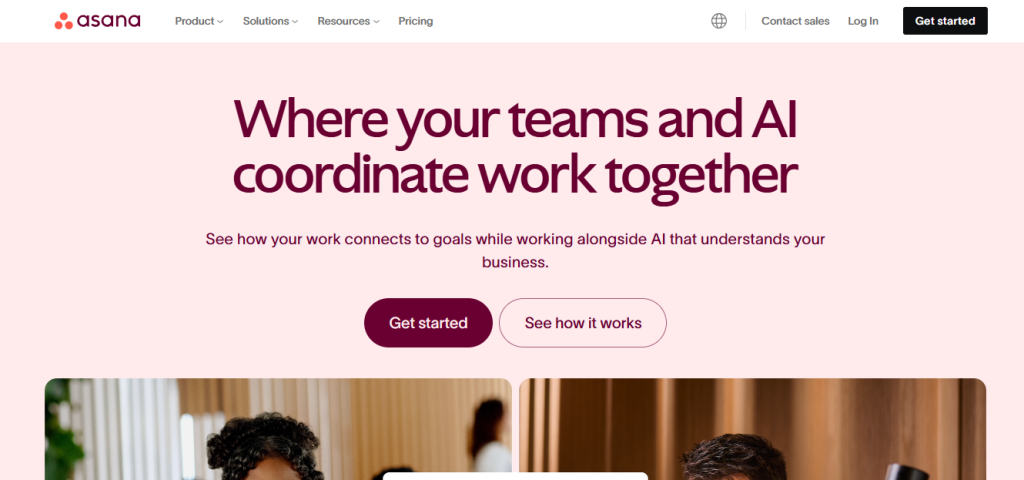
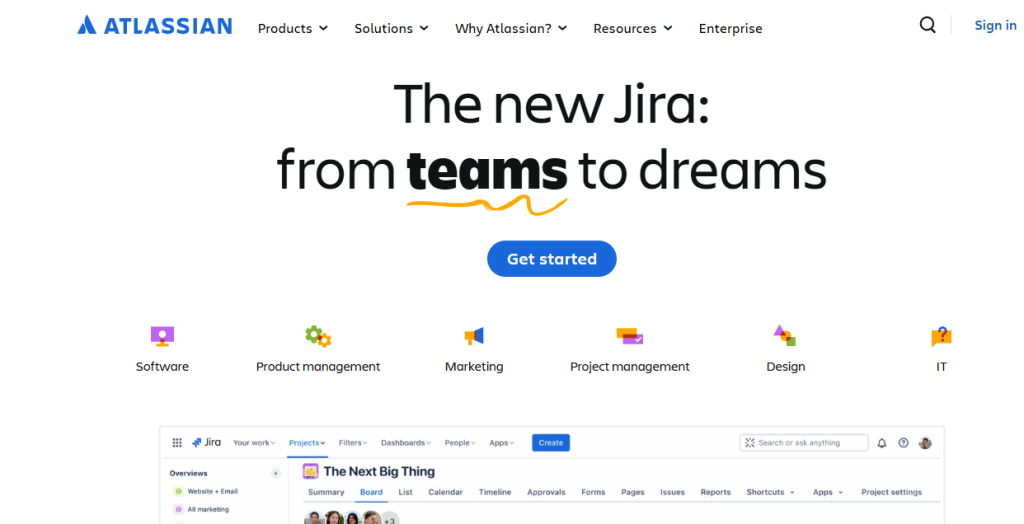
Key tools: MS Project, Trello, Asana, Jira
Learning the right tools is a major part of fast-track PM training UK. MS Project helps you create timelines and manage resources. Trello and Asana are great for task tracking, while Jira is popular for agile teams.

But why focus on tools so much?
Because employers want candidates who can adapt quickly. If you already know the platforms they use, you’ll need less training on the job. Many courses give hands-on practice with these tools, letting you manage a project from start to finish during the program.
Budgeting, risk management, and communication essentials
Budgeting ensures resources are used wisely, risk management prepares you for challenges, and good communication keeps everyone aligned. These three skills are essential for any project manager.
You may be wondering, how much do these matter?
Research by McKinsey found that projects with strong communication plans are 50% more likely to finish on time and within budget. By learning these skills in short PM training, career switchers can show employers they can deliver results and avoid common pitfalls.
Certifications and Qualifications Offered by UK PM Fast-Track Courses
Certification can set you apart from other applicants. Short project management training for career switchers UK often includes well-known credentials that prove your skills.
Employers value these qualifications because they align with global standards and show you’ve learned from a structured program.
PRINCE2 Foundation and Practitioner options
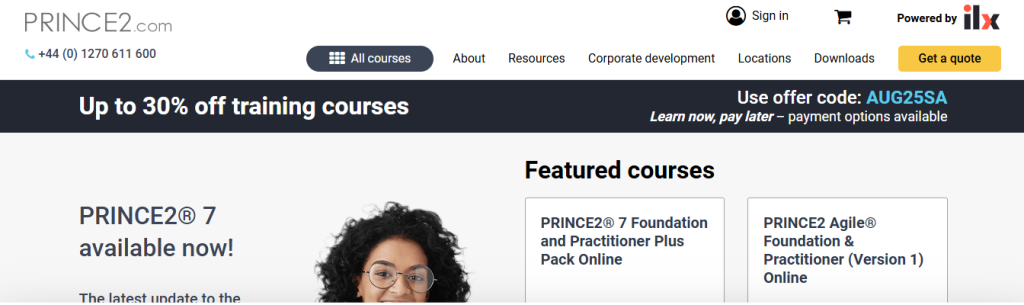
PRINCE2 is one of the most recognised certifications in the UK. The Foundation level covers the basics, while the Practitioner level shows you can apply the method in real situations. Many short project management courses UK prepare you for both.
Here’s something we can both agree on:
Having PRINCE2 on your CV signals that you understand structured project delivery. Employers across industries look for this because it reduces the risk of project failure. It’s a strong choice for anyone making a career switch to project management UK.
AgilePM and CAPM Certifications for Realistic Career Launch
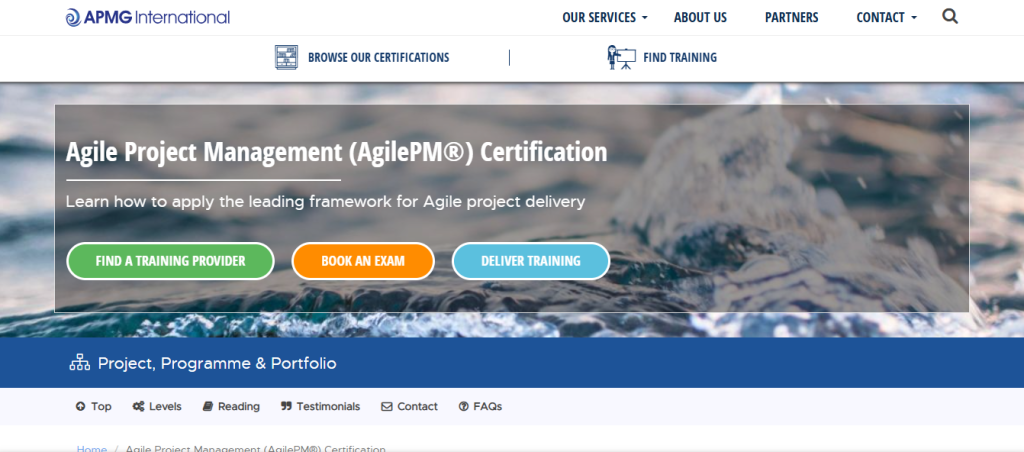
AgilePM is ideal for beginners who want to work in fast-moving environments like tech or marketing.
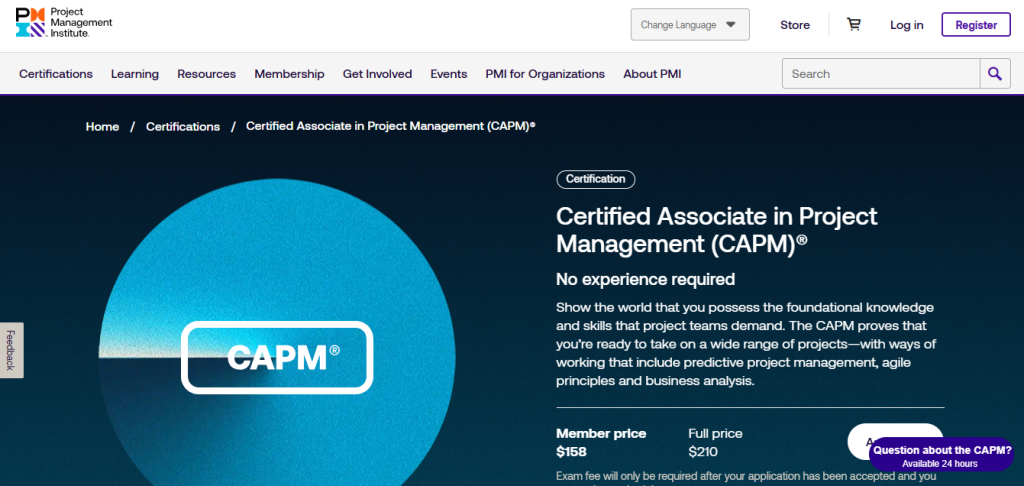
CAPM, offered by the Project Management Institute, is recognised globally and suits those wanting an international career.
But stay with me.
Both certifications prove you understand project principles, even without years of experience. Many fast-track PM training UK courses give you the study materials, mock exams, and support to pass these on your first try.
Real-world UK Case Studies and Role-play Simulations
Short PM training often includes role-play and simulations. You might work on a case study based on a construction project in London or a marketing launch in Manchester. This helps you apply the theory to realistic situations.
Want to know the best part?
These exercises also prepare you for interview questions. You can give real examples of how you solved problems, managed risks, and delivered results during your training. That makes you stand out to hiring managers.
How Short Training Programs Help You Land a PM Job in the UK
Short training programs don’t just teach skills, they prepare you to get hired. Many include career support, from building your portfolio to coaching you for UK job interviews. This combination of skills and job readiness is why they work so well for career switchers.
Building a job-ready project portfolio during the course
A portfolio shows proof of what you can do. During short project management courses UK, you’ll often work on real or simulated projects and document your process. This becomes evidence of your skills for potential employers.
Here’s an example:
You might present a completed project plan, a risk register, and a final report. These show not only your knowledge but also your ability to deliver results. Employers value this because it’s proof, not just theory.
Coaching for UK-style CV, LinkedIn profile, and interviews
PM training without experience often includes job application coaching. You’ll learn how to write a CV that highlights transferable skills, set up a LinkedIn profile that attracts recruiters, and answer UK-style interview questions.
But what’s the big secret I’m talking about?
The secret is that many people fail to present their skills effectively. By learning how to sell your experience, even if it’s from another industry, you increase your chances of landing interviews.
Connections with potential employers via networking or internships
Networking events, guest lectures, and internships are common in fast-track PM training UK. These opportunities connect you with hiring managers and recruiters. Some programs even partner with companies to place graduates in entry-level PM roles.
The bottom line?
It’s not just about what you know, it’s about who you meet. Building these connections early can help you secure a role faster after completing your training.
Career Switch Success Stories from UK-Based Career Changers
Hearing from others who have done it can be inspiring. Many professionals in the UK have moved from teaching, admin, marketing, or engineering into project management using short PM courses.
Examples of professionals who transitioned into PM roles
Take Sarah, a former teacher from Birmingham. She completed a short AgilePM course for beginners and joined a tech startup as a junior project manager within four months. Or James, an ex-retail manager who used PRINCE2 training to enter construction project management.
Do you see how huge this is?
These stories prove you don’t need years of experience to make the switch. You just need the right training and mindset.
Key factors in their success (training, networking, mindset)
From these stories, three factors stand out. First, the training provided job-ready skills. Second, networking created opportunities. Third, a positive mindset kept them motivated through the change.
Here’s how you can do the same thing:
Commit to learning, connect with professionals, and stay open to starting in an entry-level PM role to gain experience.
Lessons for future career switchers
The main lesson is simple: don’t wait too long. The demand for project managers is high, and short project management training for career switchers UK offers a fast way to take advantage.
What’s the bottom line?
If you’re ready for change, start now, choose a course that fits your goals, and be proactive in building connections.
Conclusion
Making the leap into project management doesn’t have to be slow or overwhelming. With short project management training for career switchers UK, you can gain the skills, confidence, and certification you need in months, not years.
But here’s the kicker: the right training is only part of the journey. How you present yourself to employers can make all the difference. So, fast-track PM training UK.
That’s where RKY Careers comes in. We specialise in helping career changers land roles faster through tailored CV writing, LinkedIn optimisation, interview preparation, and personalised career coaching.

Our services align perfectly with your training, giving you the complete package to enter the UK project management job market with impact.
FAQs
Can I become a project manager with just a short training course?
Yes. Many people enter project management through short, focused courses that give them the skills and certifications employers value.
How long do UK short PM training programs typically last?
They usually run from 3 to 6 months, depending on the format and certification level.
What entry-level PM jobs are open to career changers in the UK?
Roles include project coordinator, junior project manager, and project support officer.
Do I need a degree to enrol in short PM courses in the UK?
No. Most are open to anyone with transferable skills and motivation.