AI Skills Every Professional Must Build Before 2026
Have you thought of the AI skills every professional must build before 2026? I believe you are aware that the tech world is changing rapidly. This is why essential AI skills for professionals are becoming important before 2026. AI is now part of offices, schools, hospitals, banks, and creative industries. The changes show why workers must learn the best AI skills to learn in 2026 to stay ready for the future.
Many roles today need people who can use AI tools for professionals even in non-technical jobs. These tools help reduce errors, provide clear insights, and support teamwork. Understanding machine learning basics for beginners helps workers understand how data patterns work and why some tasks can be automated. This is the start of the future of work and AI integration.
Read Also:
- Career Advice For Transitioning to AI Roles
- RKY Careers transformed my academic skills into job-ready expertise
Why AI Skills Matter for Professionals Before 2026
AI is changing how people work around the world. Many companies use digital tools to improve speed, reduce errors, and support better decision-making. This is why essential AI skills for professionals are becoming necessary before 2026. These abilities help workers understand data, use smart tools, and improve daily tasks.
A study from Microsoft shows that 82% of leaders believe AI will help employees do better work, not replace them. This means the future of work and AI integration is already growing in many industries.
The World Economic Forum reports that 44% of job skills will change in the next few years as AI becomes more common. This shift affects mid-career workers the most.
Building digital transformation skills and the best AI skills to learn in 2026 helps professionals stay ready and confident as industries change. Those who take early steps will have better opportunities.
Read Also:
- 5 Proven Strategies to Boost Your Job Search and Unlock Success With ChatGpt and RKY Careers
- How to transition into a New Industry
How AI Is Reshaping Global Careers and Industries
AI is changing careers by reshaping how tasks are done in many sectors including healthcare, business, finance, education, and transport. Many jobs now require workers to understand simple AI tools for professionals even when the work is not technical. Most in-demand tech skills 2026 are linked to automation skills, using AI tools, reading data, or making decisions supported by smart systems.
Research from PwC shows that AI could add up to 15.7 trillion dollars to the world economy by 2030. This growth will increase the need for workers who understand AI for non-tech professionals.
Companies use AI to predict customer needs, improve supply chains, reduce errors, and build better products. These tools make many roles more data-driven. Workers who understand machine learning basics for beginners will gain more confidence and deliver better results in their jobs.
Read Also:
The Biggest AI-Driven Opportunities for Mid-Career Professionals
Mid-career professionals have strong opportunities to grow by learning the AI skills every professional must build before 2026. These workers have experience, and AI tools can help them use that experience in better ways. Many companies now look for employees who can use AI systems to plan, manage reports, and complete daily operations.
LinkedIn’s Workforce Report shows that roles needing AI skills have grown by 21 times since 2016. This shows how quickly new job demands are growing. Workers who learn essential AI skills for professionals can move into better positions, guide teams, and support digital transformation.
Roles in marketing, operations, HR, healthcare, finance, and project management now use AI tools for professionals. Learning the best AI skills to learn in 2026 helps mid-career workers stay competitive and ready for the future of work and AI integration.
Read Also:
Core AI Skills Every Professional Must Build
Building the right digital skills helps workers stay strong in a changing job market. The AI skills every professional must build before 2026 include understanding data, using automation systems, and applying simple AI workflows. These skills help reduce workload and improve how everyday work is done.
Professionals must understand essential AI skills for professionals to stay confident in their roles. Learning how smart tools work helps make decisions easier and tasks faster. Even small improvements from automation can help teams achieve more in less time.
The most in-demand tech skills 2026 include both technical and simple AI abilities. Workers who develop digital transformation skills will stay ready as new systems appear. These skills make it easier to adapt when industries change.
Data Literacy and Basic Machine Learning Skills
Data literacy is one of the essential AI skills for professionals today. It means understanding simple patterns, reading charts, and knowing what data means. Workers do not need to become data scientists, but they should understand how information supports decisions.
Machine learning basics for beginners help workers understand how smart tools make predictions. Many apps use machine learning without people even knowing. Learning the basics helps workers trust the results and use them the right way.
Companies use data for planning, budgeting, customer service, and product design. Workers who understand data can solve problems faster and offer better ideas. These skills support the future of work and AI integration and make it easier to use AI tools for professionals in daily tasks.
Automation, AI Workflows, and Productivity Tools
Learning how automation works helps professionals save time and reduce repeated tasks. Many systems now allow simple automation with no coding. These tools help create smooth workflows, improve teamwork, and support daily operations.
Workers who understand AI workflows can improve how tasks move from one stage to another. This helps teams complete projects faster and make fewer mistakes. These abilities form part of the most in-demand tech skills 2026.
AI tools for professionals, such as writing tools, planning apps, data dashboards, and customer service assistants, help workers stay organised and productive. These tools are becoming important for digital transformation skills in workplaces around the world.
AI Skills for Non-Tech Professionals in 2026
AI skills are no longer for technical teams alone. Many simple tools help non-tech workers complete tasks faster and with improved accuracy. AI for non-tech professionals includes writing support, idea generation, scheduling, analysis, and task guidance.
Many companies now ask for essential AI skills for professionals in roles like HR, marketing, sales, customer service, and finance. These tools help reduce stress and make work more enjoyable.
Workers who use the best AI skills to learn in 2026 can improve reports, analyse results, and complete tasks faster. The future of work and AI integration depends on every worker understanding how smart tools support daily duties.
Prompt Engineering for Everyday Work Tasks
Prompt engineering is the skill of giving clear instructions to AI tools. It is simple and useful for many jobs. Workers use prompts to write emails, prepare reports, create ideas, analyse documents, or plan schedules.
This skill is part of the essential AI skills for professionals because many tools now depend on written input. When a worker gives a clear prompt, AI gives a better result. This helps save time and improves accuracy.
Prompt engineering skills 2026 are important because teams now use AI tools for professionals in their daily routines. Knowing how to write a good prompt helps workers complete tasks quickly and with less effort.
AI-Assisted Decision-Making and Problem-Solving
AI helps workers make choices using data and patterns. This support is helpful in finance, healthcare, business, education, and many other sectors. AI-assisted decision-making helps reduce errors and improve outcomes.
These abilities form part of the most in-demand tech skills 2026. Workers who understand how to read AI results will make better decisions. AI tools for professionals now show risks, options, predictions, and summaries that help teams choose the best path.
This skill is important for digital transformation skills because many companies plan their operations with the help of AI systems. Knowing how to use these tools helps workers stay relevant in the age of AI.
Sector-Specific AI Skills for 2026 Careers
Different industries need different AI abilities. Workers must understand which tools match their field so they can perform well. Learning the essential AI skills for professionals helps workers in all sectors stay ready as automation grows.
Healthcare workers use AI tools for diagnosis support, record management, and treatment planning. Finance workers use tools for fraud detection, budgeting, and forecasting. Business teams use AI for project planning, customer service, and strategy.
The best AI skills to learn in 2026 for creative teams include design tools, content tools, editing apps, and digital idea generators. Workers who use these tools create better work in less time.
AI for non-tech professionals is important in every sector today. These tools help workers stay productive and confident in a changing environment.
Creative Industry AI Tools for Content, Design, and Strategy
Creative roles now depend on AI tools that help generate ideas, write content, design layouts, edit media, and plan campaigns. These tools make creative work faster and more fun.
Workers who understand essential AI skills for professionals in creative fields can improve their designs, produce better videos, and write stronger content. Many apps use machine learning basics for beginners to improve quality and reduce editing time.
These abilities support digital transformation skills for designers, writers, and content creators. As AI becomes common in creative teams, those who learn the best AI skills to learn in 2026 will stay ahead.
How to Learn AI Skills Before 2026
Learning AI skills is easier today because many tools and courses are made for beginners. Workers do not need to be experts. They only need to understand the basics and how to apply them at work.
The AI skills every professional must build before 2026 include learning how simple tools work, understanding patterns, and using automation. These skills support the future of work and AI integration.
Professionals can begin with free and affordable resources that teach digital transformation skills step by step. This makes learning simple and accessible for everyone.
Affordable Courses, Tools, and Certifications for Beginners
Many platforms offer simple courses for machine learning basics for beginners, automation skills, and prompt engineering. These courses help workers learn the essential AI skills for professionals without stress.
Websites like RKY Careers, Coursera, Udemy, LinkedIn Learning, and Google Digital Garage offer low-cost lessons. These lessons help workers understand simple AI tools for professionals and how to use them daily.


Certifications can also help workers show their new skills to employers. These courses support the most in-demand tech skills 2026 and help workers feel confident as digital tools become more common.
Practical Ways to Apply AI Skills at Work
The best way to learn AI is by using it in simple tasks. Workers can start by using writing assistants, planning tools, and data dashboards. These tools help with reports, emails, schedules, and summaries.
Teams can use AI tools for professionals to support customer service, research, training, and analysis. These small steps help workers understand digital transformation skills and how they support daily tasks.
By applying these tools often, workers learn the AI skills every professional must build before 2026. These abilities help workers stay relevant in the age of AI and stay ready for new challenges.
Conclusion
AI is shaping the future of work in many powerful ways, and the skills needed for success are changing fast. Learning the essential AI skills for professionals before 2026 helps workers stay confident, adaptable, and ready for new opportunities.
These skills make everyday tasks easier, improve decision-making, and support better performance in any industry. With simple tools, accessible courses, and beginner-friendly methods, anyone can develop the abilities needed to grow in an AI-driven world.
Workers who take the time to build these abilities now will stay relevant in the age of AI and enjoy a strong position in the changing job market. The steps are small, but the impact is great.
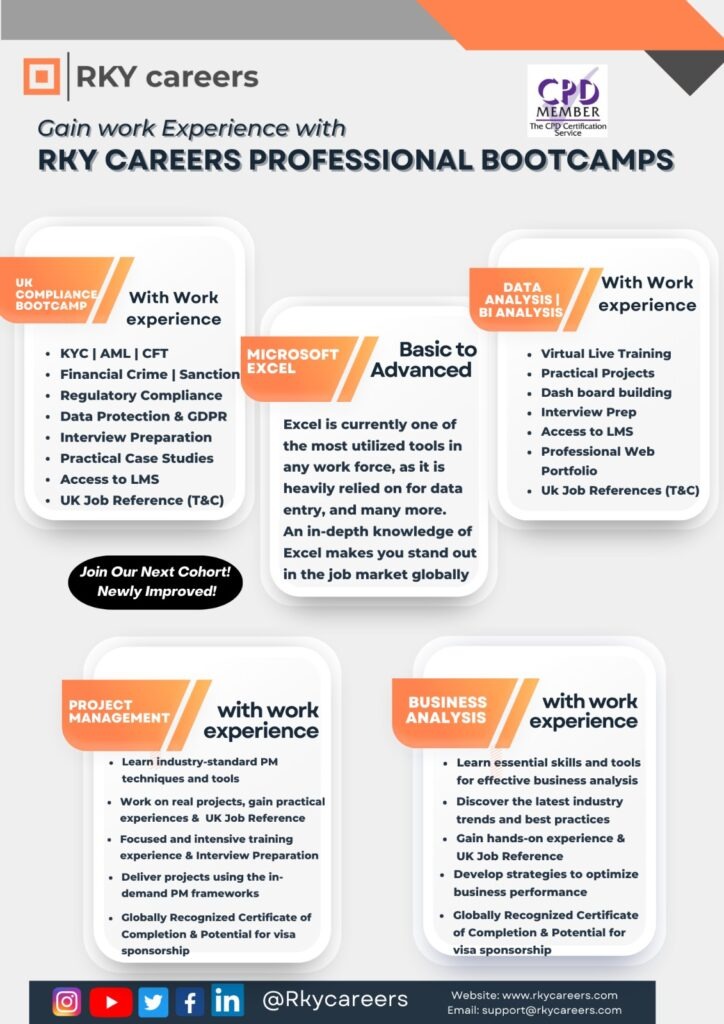
If you want support in building strong career skills, improving your professional profile, or preparing for interviews, RKY Careers offers guidance that helps you stand out. Their coaching, CV support, and interview preparation services make it easier to grow and achieve your goals.
FAQs
What are the easiest AI skills to learn before 2026?
Simple AI skills include basic data analysis, using automation tools, prompt engineering, and understanding machine learning basics for beginners. These skills are beginner-friendly and highly relevant across industries.
How can non-tech professionals start building AI skills?
Non-tech workers can start with free or affordable courses, beginner-friendly AI tools, and hands-on practice with workplace tasks. Small steps like learning AI-assisted decision-making make a big difference.
Which AI tools should every professional master in 2026?
Key AI tools include workflow automation apps, data dashboards, content generators, and AI assistants for reporting or scheduling. These tools help improve productivity and support digital transformation skills.
How much time does it take to learn essential AI skills for work?
Time depends on the skill level and practice. Most beginners can build foundational skills within a few weeks to months by using online courses, tutorials, and daily applications at work.