

The Complete Entry-Level Product Manager Guide
Are you ready to kickstart your career in product management and get the complete entry-level product manager guide? You’ve come to the right place! In this guide, I’ll walk you through every step of becoming an entry‑level product manager (PM).
You’ll learn what a junior PM does, the skills you need, and how to land that first role, even if you have zero experience. By the end of this guide, you will understand precisely how to craft a compelling resume, ace interviews, and excel in your new role. Let’s dive in!
Who is an Entry-Level Product Manager?
What exactly does an entry-level product manager do? In simple terms, an entry-level product manager (often called a junior product manager) is the first stepping stone into the world of product development.
A junior PM helps bring ideas to life. You’ll support senior PMs by gathering customer feedback, defining feature lists, and tracking progress. Think of yourself as the glue that holds the team together. Bridging the gap between the customers and the developers. You ask the questions and do the research for customer satisfaction. You need to know that the salaries for junior product managers typically range from £25,000 to £40,000 according to Prospects.
What does a product manager do?
Simply put, a product manager acts as the bridge between business goals and customer needs. While you won’t be making high-stakes decisions just yet, you’ll get hands-on experience shaping products from idea to launch.
A product manager wears many hats. You talk to customers, write user stories, and work with engineers to shape features. You answer questions like:
- What problem are we solving? (What to build?)
- Who is our user (why build it)?
- Which feature should come next (how to prioritise features)?
By asking the right questions, you guide the team toward building a product that people love.
Typical responsibilities of a junior PM
The day-to-day responsibilities for product management for beginners might include:
- Conducting quick user interviews
- Analysing competitor apps
- Writing clear and concise requirements
- Updating project boards (e.g., in Jira)
- Reporting basic metrics (like sign‑up growth)
Don’t worry; this isn’t to frighten you if you think you can’t do most of these tasks. Rome wasn’t built in a day! These tasks may vary, but your main goal is to learn, support, and contribute as a junior PM. As the saying goes, “The more you read, the more you learn.” You will learn more in the following subheading: Walk with me!
The junior product manager responsibilities above are a step to you becoming a Senior Project Manager.
Here’s a pro tip: keep organised notes in a tool like Notion or Confluence, so you and your team never miss a detail.
How to Become a Product Manager With No Experience
Here comes the good news: You don’t need to start with a tech background to become a product manager. Many successful PMs started as marketers, designers, or even teachers. You can consider entry-level product manager jobs.
Let’s walk through how to pivot into product management step by step.
Skills needed to become a product manager
Here’s the deal: being a PM isn’t about having all the answers. It’s about asking the right questions and getting things done. To thrive, you need a mix of soft and hard skills. Here are the top product manager skills you should work on:
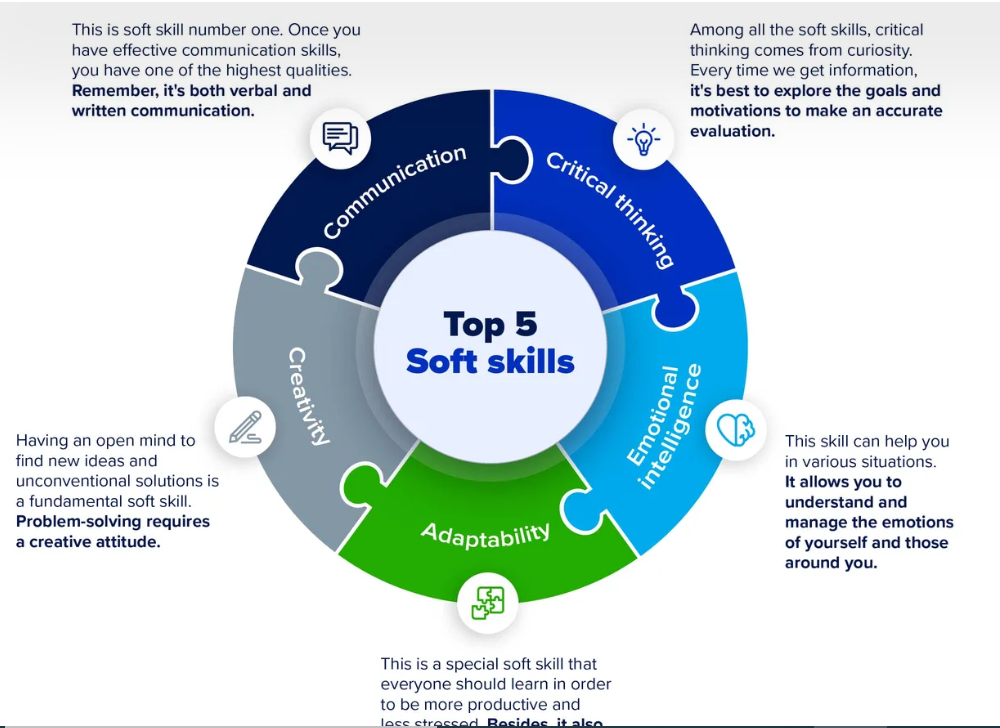
- Communication: PMs talk to everyone every day, including team members, users and stakeholders.
- Problem-solving: Your job is to find the best solutions.
- Prioritisation: Not everything can be built at once. You will need to say “no” more than “yes”.
- Analytical thinking: Use data to make better decisions.
- Empathy: Understand your users deeply.
Communication is one of the top 5 soft skills to develop; it is needed and used everywhere. Refer to the table below, which is based on data from eloomi:
How to transition into product management from another field
The product management career path is not a long one; you just need to follow he right path. Here’s where it gets intriguing: you might already have relevant experience; you just don’t call it that yet. Ask yourself:
- Have I led any cross-functional projects?
- Have I ever collected feedback from users or customers?
- Have I written project requirements or managed a project timeline?
If the answer is yes, you’re halfway there. Now:
- Volunteer for internal product-like projects at work
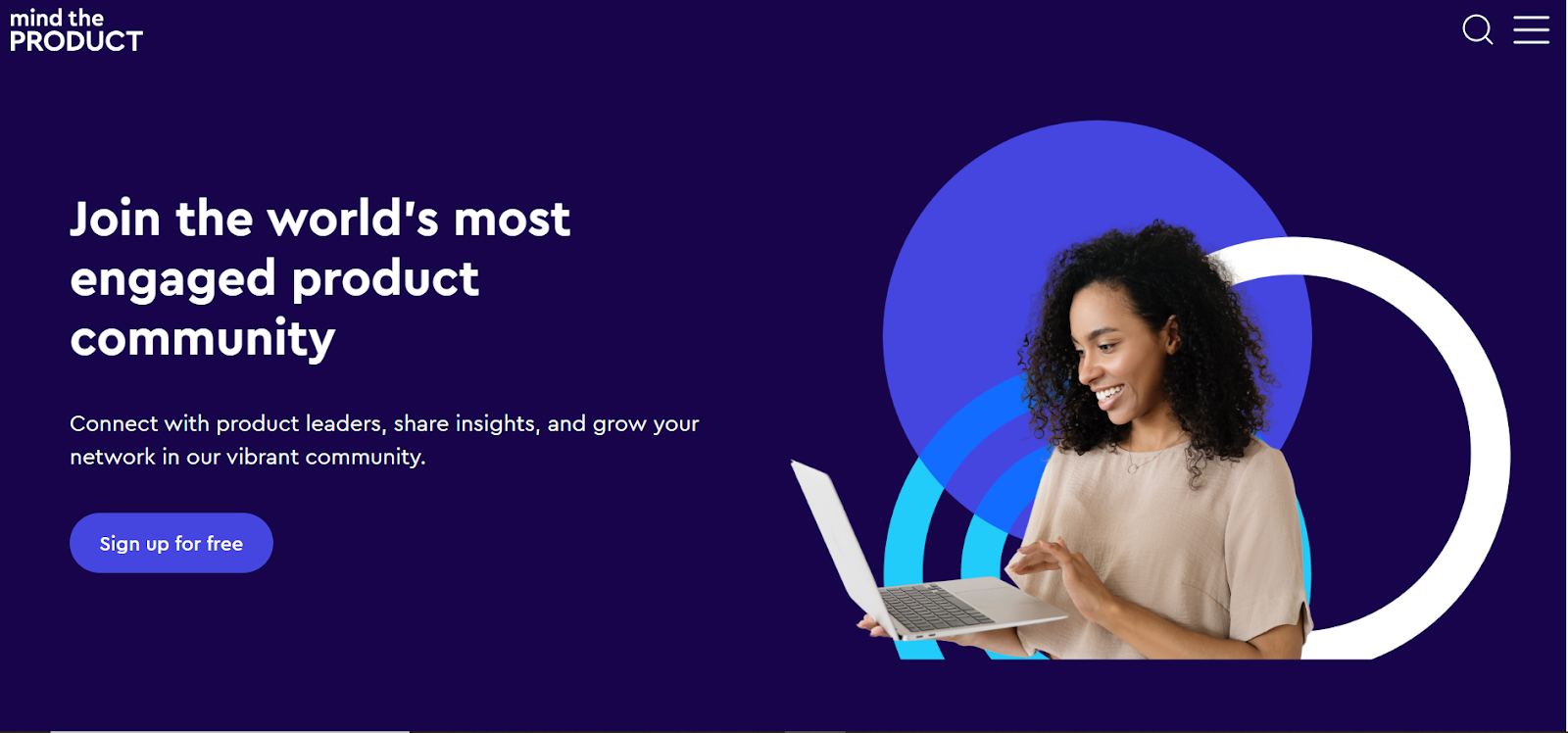
- Use platforms like Mind the Product to network
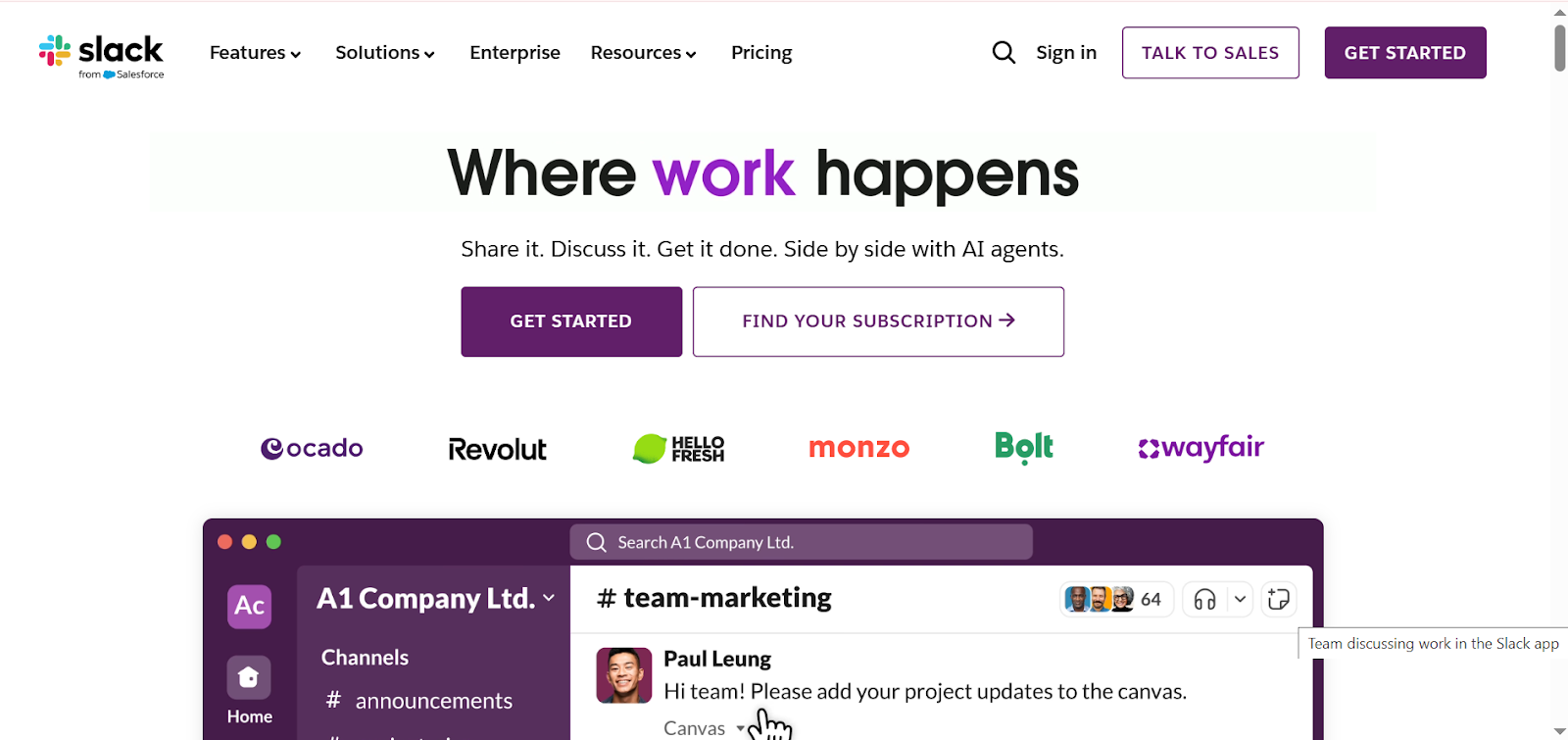
- Join communities (like Slack groups for PMs)
Also:
- Identify your transferable skills.
- Work on small side projects or volunteer to manage internal tools.
- Shadow a PM at your current company.
- Network actively. LinkedIn and product meetups are goldmines.
Certifications and online courses for beginners
One of the complete entry-level product manager guide is certifications. Courses assist you in gaining knowledge and demonstrating your interest. Some of the best product management courses include:
- RKY Product Management Bootcamp (see below)
- Google Project Management Certificate (Coursera)
- Reforge Starter Program
- Product School’s Intro to Product Management
Pro tip: Choose courses that offer hands-on projects. They’re excellent portfolio builders.
See Also:
Next up, let’s explore the tools you’ll need to succeed as a beginner PM.
Key Tools Every Entry-Level Product Manager Should Know
Do you want to look like a pro from the very beginning? Another point in the complete entry-level product manager guide is tools. You will need to get comfortable with the tools product managers use daily. The right tools will help you plan better, communicate clearly, and make smarter decisions. Here’s a breakdown of the most important categories:
Roadmapping and planning tools
These tools help you define product goals and track your team’s progress:
- Productboard: Helps align your roadmap with customer needs.
- Aha!: Great for strategic planning and feature mapping.
- Trello: Simple and visual, ideal for small teams.
- Notion: Provides a versatile workspace for managing documents and roadmaps.
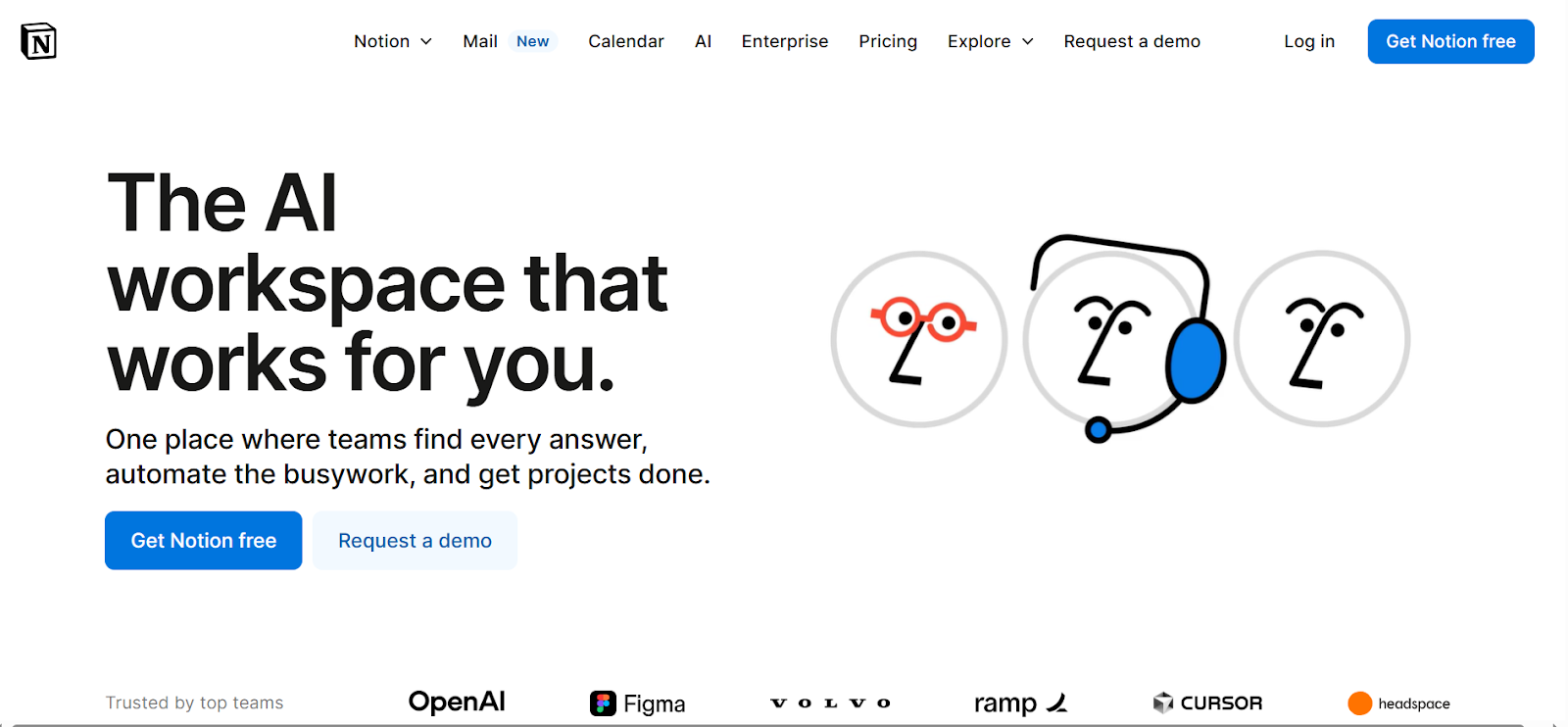
If you are new to product planning, start with Trello or Notion; they are beginner-friendly and free.
Collaboration and productivity tools
Product managers work with many people, and these tools make it easier for them:
- Slack— This app helps to facilitate swift communication with your team.
- Jira—Jira helps in managing sprints and keeping track of tasks.
- Confluence—Helps to document processes, specs, and meeting notes.
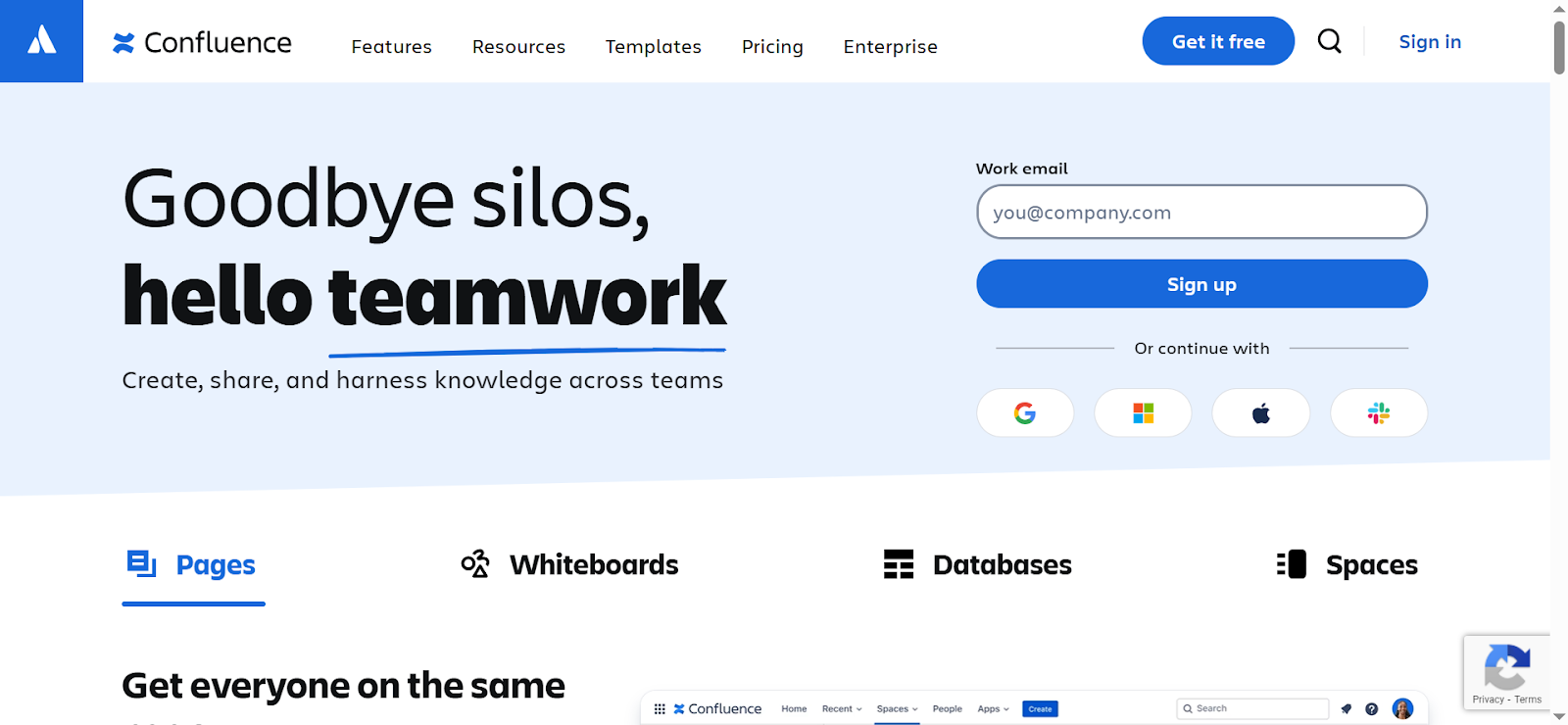
Tip: Knowing how to organise information and facilitate communication is a big plus in any entry-level product manager’s job position. Learn to use these tools confidently. Many PM interviews ask about them.
User research and data analysis tools
- Google Analytics: Helps you track user interactions with your product.
- Hotjar: This helps you see heatmaps and recordings of user sessions.
- Mixpanel: Helps in analysing user behaviour in-depth.
- Typeform: This tool helps users create surveys to gather feedback.
Understanding user behaviour is essential. In fact, a 2024 report by McKinsey found that data-driven product teams are 23% more likely to hit their revenue targets, and software products will not be more successful without the help of PMs.
Great PMs listen to users and make decisions based on data.
See Also:
Entry-Level PM Interview Tips
Now that you know the tools, let’s get you ready for interviews. Whether you are a recent grad or switching careers, this section will help you stand out. Getting your first product role takes effort. But with the right preparation, you will walk in confident and ready.
First off, you walk right into the interview room with so much confidence; even if you are nervous, hold your head up and say hello to the interview team. Sources say you don’t appear as nervous as you think you are. Sit straight and maintain a good posture.
Common product manager interview questions
- How would you improve our product?
- Describe a product you love. Why?
- What metrics would you track for a new feature?
Please practise them and be prepared to support your answers with logic and examples. Also, practice an introduction statement about yourself; you are likely to be asked a question like, “Tell us about yourself.”
When you are asked this question, avoid discussing the number of siblings you have or your favourite colours. The question is a cue to talk about yourself and sell yourself.
Begin by discussing how you started your journey into product management, what motivated you to choose this path, the challenges you faced along the way, and how you overcame those challenges.
Then talk about how the company would help you and what you could do for it as a new entry-level product manager. Use the STAR method (Situation, Task, Action, Result) to structure your answers.
In the case of behavioural questions, here is a way you can structure your answer using the STAR method to answer questions like how you would describe working with a challenging coworker, for example:
In a previous job, I worked with someone whose communication style was very different from mine, which led to misunderstandings (Situation). I initiated a conversation to understand their perspective (Task) better, and together, we set up clear communication guidelines (Action).
These measures enhanced our collaboration and improved the overall dynamics of the team. You can read more in the “70 Toughest Interview Questions and Answers” book written by Mandar Patil online, read Top Tips to Ace a Product Management Interview, and follow the complete entry-level product manager guide! I mean this very guide you are reading…gotcha!
How to create a product case study
A good case study shows how you solve problems. Some companies may ask you to create a case study. Keep it simple:
- Identify a problem
- Propose a solution
- Outline steps and tools
- Show results or learnings
You don’t need to be a designer; clarity of thought matters more than fancy visuals. Also, learn how to build a product portfolio without experience; even if you don’t have prior experience, this will help you a lot.
What to highlight in your CV and portfolio
- Any experience leading projects or teams where you solved real problems
- Data-driven decisions you made
- Courses or bootcamps you’ve completed
- Product mockups or MVPs
- You should provide instances of collaboration with your teammates or stakeholders.
Your resume should show curiosity, initiative, and a user-first mindset. Also, avoid grammar errors and make sure your phone and email contacts are correct and easily accessible. You can even employ professionals to write the CV for you.
What to Expect in Your First 90 Days as a PM
So you’ve landed your first job as a product manager; congratulations! But now what? The first 90 days are crucial. Here’s how to make them count.
Setting goals and priorities
Collaborate with your manager to establish 30-60-90 day goals. These often include:
- Learning the product and market
- Building relationships
- Defining quick wins
Start small. Focus on quick wins and understanding the big picture. No matter how much or little you know about product management, any company will still train you and integrate you into their work culture over the first 30 to 60 days.
So stay vigilant and absorb as much as you can. culture and always read the room. Read your job description, learn your craft and be the best at it.
Working with cross-functional teams
Product managers rarely work alone. You will collaborate daily with engineers, designers, marketers, and analysts. My advice? Be a team player! You will be the link between design, engineering, and stakeholders. In your first weeks:
- Attend team stand-ups and listen more than you speak
- Ask teammates what they expect from a PM
- Build trust by following through on small tasks
Product management revolves around collaboration. Engage with your teammates and communicate, as we previously established that effective communication is essential. Ask questions; don’t keep to yourself.
As much as you will be working with teams, do not be a latecomer; attend meetings early and make a good first impression; it will save you lots of stress.
Learning the product and user base
In the complete entry-level product manager guide, you must learn the product and user base. Spend time understanding your users. Join customer calls, read feedback, and dig into product analytics.
Before you build, learn what already exists:
- Use the product like a real user
- Read past user research and support tickets
- Join a sales call or customer interview if possible
PMs who spend time understanding users early on are more likely to build successful features.
See Also:
Accelerate Your Career With Product Management Training
You’ve made it this far in learning the complete entry-level product manager guide– well done! But if you want to speed things up, structured training can give you an edge. Consider joining a program that offers structured learning and hands-on experience.
Join Our Product Management Bootcamp
We designed our Product Management Bootcamp specifically for beginners like you. You’ll:
- 100% online and flexible schedule
- Learn directly from seasoned product managers
- Work on real product challenges
- Build a portfolio to showcase your skills
- Career support and mock interview
- Get a CPD Accredited Certificate
Over 85% of our bootcamp grads landed product roles within six months. That could be you! Get on the bus now! If you are still thinking, Is a product management bootcamp worth it? A trial will convince you.
Visit RKY Careers to learn more and apply.
Learn practical skills and gain real-world experience
Theory is great, but practice makes perfect. Our bootcamp blends both. By the end, you’ll be job-ready. Bootcamps and hands-on courses teach you things a textbook won’t. You’ll:
- Define user stories and write product specs
- Analyse data and make feature decisions
- Practice stakeholder communication
- Build confidence through simulations
According to the 2023 Coursera Career Academy report, learners who completed hands-on product courses saw a 30% faster job placement rate. In the long run, you will also network with others in the bootcamp.
This is also your chance to build a community of product managers and like-minded individuals. You can never be stranded. Whenever you face work-related challenges, your community will support you and help improve your teamwork skills.
FAQs
Is it hard to get into product management?
It depends. If you don’t have a tech background, you’ll need to put in extra effort. But with the right mindset, portfolio, and learning path (like bootcamps or online courses), it’s absolutely doable. Start small and stay consistent.
What is the career path for a product manager?
Most PMs start as junior or associate PMs. From there, you can move into roles like Product Manager, Senior PM, Group PM, Director, and eventually VP of Product or Chief Product Officer.
Do I need a tech background to become a PM?
Not necessarily. While it helps to understand how things are built, many PMs come from business, design, or marketing backgrounds. You just need to be curious, analytical, and great at communication.
How do I build a product portfolio without experience?
Create case studies based on products you use. Redesign a feature, improve a user flow, or build a simple app using no-code tools. Then document your thinking and process. That’s your portfolio!


