

Writing CV With No Experience
Writing a CV for job seekers with no experience can be a daunting task. Without relevant work history, it can be challenging to know where to start, highlighting one’s skills and abilities. This article addresses the challenges faced by job seekers who are starting their careers and have little to no work experience. Through this guide, we hope to provide readers with actionable steps to overcome the hurdles of the job application process and increase their chances of landing their first job. Stay tuned for tips on highlighting transferable skills, emphasising education and certifications, and showcasing relevant volunteer or extracurricular experiences. By the end of this article, we hope job seekers with no experience will feel empowered to create a strong resume that accurately reflects their potential as employees. Let’s dive in!
Understanding The Purpose of Your CV
Crafting an effective CV when you lack experience entails recognizing its pivotal role in showcasing your abilities and potential to potential employers, thereby enhancing your chances of securing job opportunities. When writing a CV with no experience, always ensure you understand the purpose of selling yourself out there through the skills highlighted on your CV.
Identifying Transferable Skills and Qualities
When writing a CV without experience, list your skills, such as communication, problem-solving, time management, etc. Next, identify your strengths or the areas where you excel the most. This could be a particular skill, knowledge, or attribute that sets you apart. However, recognize your weaknesses, which are the areas that need improvement. This could be a lack of experience, knowledge, or a skill that needs strengthening. Although identifying your transferable skills could be hard for a job seeker without past experiences, it is very important to showcase it on your CV.
Structuring Your CV

- Contact Information: Name, Address, Phone number, and Email address
- Summary Statement: A brief overview of your qualifications, experience, and relevant achievements.
- Skills: A list of relevant skills, including technical, soft, and language skills.
- Work Experience: A list of previous job positions, including the company name, job title, dates of employment, and job duties.
- Education: List of degrees, certifications, and coursework.
- Achievements: Any notable achievements or awards that demonstrate your professional success
Tips for organising sections such as education, skills, achievements, and interests.
There’s more than one format for Writing a CV with no experience in the education section, depending on the amount of work experience you have and what details may be most relevant to the job. However, organize these sections to communicate your qualifications, accomplishments, and personality traits to potential employers. Tailoring each section to the job’s requirements and presenting information clearly and concisely will help you create a compelling and well-organized resume.
For each school you have attended, consider including some combination of the following (always include the three bolded items):
- School name
- Degree obtained
- Location
- Dates attended or graduation date
- Field of study (major and minors)
- GPA if it was above 3.5
- Honours, achievements, relevant coursework, extracurricular activities, or study abroad programs
Emphasizing Education and Academic Achievements on Your CV
Academic achievement refers to the success and accomplishments students attain in their educational pursuits. It encompasses a range of outcomes, including grades, test scores, academic awards, completion of coursework, and participation in extracurricular activities.
Here is a list of some academic achievements to input on your CV.
- Including relevant coursework and academic projects demonstrating skills applicable to the desired role.
- Highlighting academic honours, awards, scholarships, or distinctions received.
- Listing relevant certifications, workshops, or training programs completed.
- Detailing any research projects, thesis work, or publications relevant to the field.
- Mentioning extracurricular activities or leadership roles within academic institutions.
- Describing any internships, volunteer work, or practical experiences related to the academic field.
- Including language proficiency or technical skills gained through academic pursuits.
- Presenting relevant coursework projects or case studies demonstrating problem-solving abilities.
- If applicable, provide links to online portfolios, academic profiles, or research publications.
Strategies For Showcasing Academic Achievements, Coursework, Projects, and Relevant Coursework or Certifications.
Although showcasing academic achievements, coursework, projects, and relevant certifications is essential for a comprehensive CV, some candidates may struggle to highlight these aspects effectively. However, individuals can enhance their CV’s effectiveness by employing strategic approaches such as prioritizing relevant coursework, detailing impactful projects, and emphasizing pertinent certifications. Otherwise, without employing these strategies, their qualifications may not be effectively communicated to potential employers, diminishing their chances of securing desired opportunities.
Here are some strategies to effectively showcase these aspects:
- Detail Relevant Coursework: List relevant coursework directly related to the position you’re applying for. Focus on courses demonstrating your expertise and proficiency in key areas of the job description.
- Showcase Academic Projects: Describe your completed projects that demonstrate your skills and knowledge in action. If possible, quantify results or highlight any unique aspects of the project that set you apart.
- Include Relevant Certifications and Training: If you’ve completed any certifications or relevant training programs, include them in a dedicated section of your CV.
- Tailor to the Job Description: Customize your CV with no experience for each application by aligning your academic achievements with the job description requirements. Identify keywords and skills sought by the employer and ensure that your academic experiences highlight your proficiency in those areas.
Highlighting Academic Honours, Awards, and Extracurriculars.
Here’s how to effectively highlight these aspects:
- Prioritize Recent and Relevant Achievements: If you have multiple academic honours or awards, prioritize those most recent and relevant to the position you’re applying for. Tailor your selection based on the skills and qualities sought by the employer.
- Leadership roles demonstrate your ability to collaborate, communicate effectively, and take initiative.
- Showcase Transferable Skills: Use your extracurricular activities to showcase transferable skills relevant to the job you’re applying for.
- Tailor to the Job Description: Customize the presentation of your academic honours, awards, and extracurricular activities to align with the job description requirements. Emphasize achievements that demonstrate your suitability for the role and the qualities the employer is seeking.
Including Volunteer, Internship, and Extracurricular Experience
Volunteer work is often as valuable and important for your career as paid work. Listing volunteer work while writing a CV with no Experience can demonstrate to potential employers that you are community-minded, experienced in working with people from diverse backgrounds, and have transferable skills. A common question that volunteers ask is how they can list volunteer work on their resume.
Showcasing Relevant Skills and Qualities
When applying for a job, you can showcase relevant skills and qualities by prioritising the most relevant skills for the role and including a dedicated skills section on your CV.
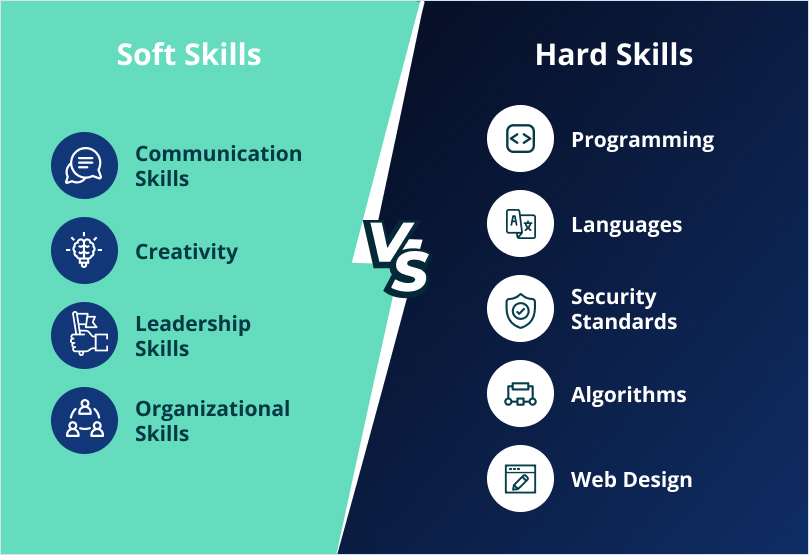
Here are some skills and qualities you can highlight on your resume:
- Communication: The ability to deliver and receive information in a clear, timely, and professional manner
- Problem-solving: The ability to identify creative solutions to problems
- Leadership: The process of directing and leading a group of people
- Teamwork: The ability to work effectively with others to achieve shared goals
- Adaptability: The ability to work independently, even during difficulties
- Creativity: The ability to use your imagination to generate new ideas or address an issue
- Time management: The ability to prioritize goals and efficiently organize everything to achieve those goals
- Interpersonal communication: The ability to collaborate and participate in a productive manner
- Confidence: The ability to showcase your skills and abilities, keep a good attitude towards your work, and feel more fulfilled in your career.
Incorporating keywords And Phrases From The Job Description to Align With Employer Requirements.
When Writing a CV with no experience, incorporating keywords and phrases plays a vital role in making your CV stand out. Resume keywords and phrases are specific abilities, skills, expertise, and traits that recruiters and hiring managers look for in a candidate. Keywords consist of job-related nouns that describe your hard and soft skills and qualifications for a job. Action verbs demonstrate what you’ve accomplished in your past experiences. Combining keywords and action verbs creates phrases that employers or systems scan for.
Follow these tips to find the best keywords and phrases to list on your application:
- Analyze job posts for skills the employer desires.
- Analyze job ads for the same job title.
- Examine the company’s website.
- Review the skills and experience of higher-level positions.
Utilizing a Professional Summary or Objective That Highlights Career Goals, Strengths, and Motivations.
A compelling professional summary or objective is crucial for effectively showcasing career goals, strengths, and motivations. By leveraging this tool, individuals can succinctly communicate their aspirations, unique abilities, and driving forces to prospective employers, positioning themselves as ideal candidates for the desired roles. Through a well-crafted summary, job seekers can capture attention, establish rapport, and align themselves with the organization’s mission and objectives, ultimately increasing their chances of securing meaningful employment opportunities.
Here are some things to consider when highlighting your skills:
- Clarity: It provides a clear direction for yourself and potential employers regarding your career goals and aspirations.
- Vision: It demonstrates a focused vision of where you want to progress and the milestones you aim to achieve in your career journey.
- Guidance: It offers advice for making informed career decisions, ensuring alignment with your long-term objectives and aspirations.
- Compatibility Assessment: It assists employers in evaluating your suitability for their organization and specific job roles based on your career trajectory and objectives.
- Commitment and Passion: It showcases your dedication, enthusiasm, and commitment to your chosen field, enhancing your appeal as a candidate.
- Skills and Experience Alignment: It highlights how your skills, experiences, and achievements align with the requirements of the position you’re pursuing, emphasizing your suitability for the role.
- Genuine Interest Display: It reflects your genuine interest in and passion for the field, conveying your eagerness to contribute meaningfully within the organization.
Key Elements of a Good Career Objective:
- Career Goals: It clearly states your short-term and long-term career goals or outlines the path you want to take in your professional life.
- Alignment with Job Requirements: It demonstrates how your skills, experiences, and aspirations are relevant to the job you are applying for.
- Professional Skills and Qualities: It highlights your key professional skills, strengths, and qualities pertinent to the role or industry.
- Brevity and Clarity: It is typically concise, usually no more than two to three sentences, and is clear and straightforward, avoiding vague or generic statements.
- Personalization for the Role: It’s tailored to each job application, showing how you specifically fit the role and contribute to the organization.
Formatting and Presentation Tips
Here are some tips for formatting and presenting a CV:
- Keep it simple: Use bullets instead of long paragraphs, and choose a readable 10-12 point font.
- Use white space: This makes the document less cluttered and helps readers identify important details.
- Be concise: Aim for a CV that’s no longer than two pages.
- Proofread: Check for spelling, formatting, and grammatical errors.
- Use headings: Create headed sections to make your CV easy to navigate. You can use a bold or slightly larger font for section headings.
- Customize: Tailor your CV for each opportunity, as different skills may be required for each role.
- A combination format combines functional and chronological elements to create an attention-grabbing document.
- Use the chronological format: This format outlines your academic and professional history from present to past and is often used when applying for the same position multiple times.
Proofreading and Reviewing Your CV With No Experience
Despite the lack of experience, proofreading and reviewing your CV is crucial for ensuring its effectiveness and professionalism. Certainly, instead of overlooking this step, candidates should prioritize it to identify and correct any errors or inconsistencies. When writing a CV without experience, proofread it carefully before sending it out or applying for jobs.
Transitioning from initial drafting to thorough proofreading helps to refine the document, enhancing its clarity and presentation to potential employers.
Here are some tips for proofreading your CV with no experience:
- Read with fresh eyes
- Print it out
- Find a quiet place
- Read it out loud
- Review it section by section
- Make sure it’s relevant to the job role.
- Fact check dates and names
- Proof-feel it
- Separate the text into sentences
Conclusion
In conclusion, crafting a compelling CV with little experience requires a strategic approach emphasising transferable skills, relevant coursework, and personal attributes. Understanding the purpose of the CV and structuring it effectively can enhance your chances of securing job opportunities. By identifying transferable skills, showcasing academic achievements, and highlighting extracurricular activities, you can present a well-rounded profile to potential employers. Tailoring each section of your CV to the job description and thoroughly proofreading for errors ensures a polished and professional document that stands out in the application process.
Embarking on your professional journey can be daunting, especially when faced with the challenge of kickstarting your career with limited experience. That’s where RKY Careers is your trusted guide and ally, dedicated to empowering you to unlock your full potential and achieve your career aspirations.

At RKY Careers, we understand the importance of a well-crafted CV, especially when you’re just starting. That’s why we’ve curated an insightful article that delves into the nuances of writing a standout CV with little to no experience. From understanding the purpose of your CV to identifying transferable skills, structuring your CV effectively, and highlighting academic achievements and extracurricular activities, our article covers it all.
But our commitment to your success doesn’t stop there. At RKY Careers, we’re more than just a source of information – we’re your partner in professional growth. Whether you’re a recent graduate, a career changer, or someone looking to take the next step in their career journey, we provide the guidance, support, and resources you need to thrive.
FAQs: Writing a CV With No Experience
How can I make my CV stand out when I have little to no work experience?
Craft a standout CV by emphasizing transferable skills, relevant coursework, and any internships or projects. Opt for a functional format showcasing achievements and quantifiable results. Tailor each application, highlighting soft skills and personal attributes, and include a compelling personal statement. Proofread meticulously for errors and ensure a professional presentation.
Should I include unrelated work experience on my CV?
Include unrelated work experience on your CV only if it showcases transferable skills relevant to the job. Prioritize relevance and focus on highlighting accomplishments and skills applicable to the position. Consider the space it takes up and how it may be perceived by potential employers. Ultimately, tailor your CV to emphasize the experiences that best demonstrate your suitability for the job.
What should I do if I don’t have any volunteer or extracurricular experience to include on my CV?
If you lack volunteer or extracurricular experience for your CV, don’t worry. You can still create a strong CV by emphasizing academic achievements, relevant skills, work experience, personal projects, short-term volunteering, online courses or training, relevant interests or hobbies, and seeking feedback or recommendations. Focus on highlighting your strengths, accomplishments, and potential contributions to the roles you’re applying for, regardless of the source of your experiences.
How important is the cover letter when applying for a CV with no experience?
Even when applying with no experience, a cover letter can be valuable. It allows you to introduce yourself, explain your interest in the position, and highlight transferable skills, education, or personal attributes that make you a strong candidate. A well-crafted cover letter can demonstrate your enthusiasm, willingness to learn, and suitability for the role, helping you stand out from other applicants. While it’s not always required, including a cover letter can show initiative and may increase your chances of being considered for the position.


