
Personal Branding For Entrepreneurs And Small Business Owners
Personal branding for entrepreneurs and small business owners is essential for standing out and building meaningful connections with your target audience. Whether you’re promoting a product, service, or yourself as a thought leader, your brand helps distinguish you from competitors.
A solid personal brand enhances trust and credibility and positions you as an authority in your industry, attracting new opportunities and driving business growth.
This guide will walk you through the crucial steps to establish, build, and maintain a personal brand that resonates with your audience. From defining your unique strengths to creating a compelling online presence, you’ll learn actionable strategies to manage personal branding for entrepreneurs and small business owners successfully.
Defining Your Personal Brand
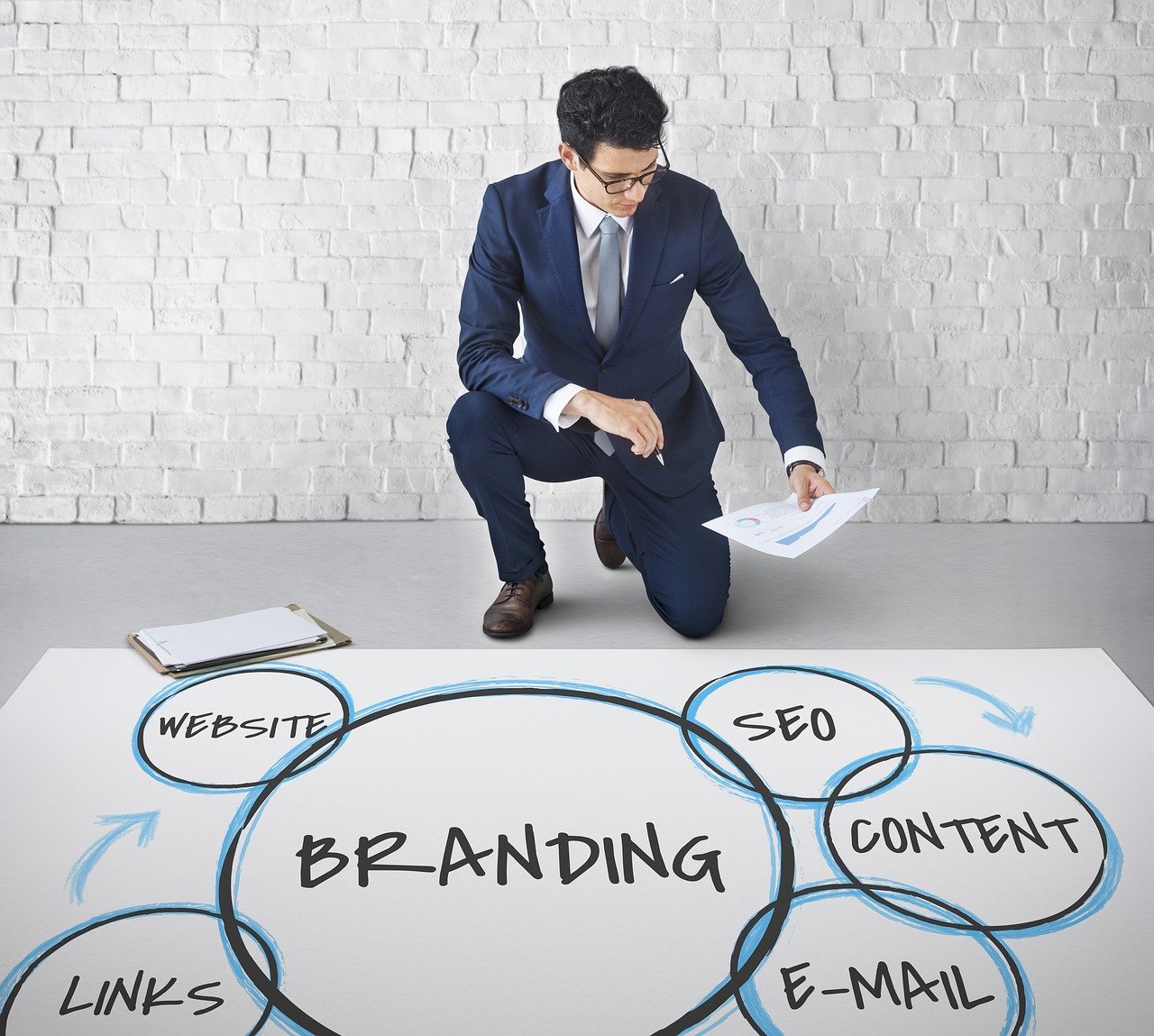
Defining your personal brand is the first step in building a recognisable and impactful presence in the market. As an entrepreneur or small business owner, your brand reflects who you are, what you stand for, and how you want to be perceived by your audience. To establish your brand, start by identifying your unique strengths, core values, and the message you want to communicate.
- Identify Your Strengths: Focus on the skills, expertise, and experiences that set you apart. Think about what you do best and how it aligns with the needs of your target audience.
- Clarify Your Values: Your values define your approach to business and how you connect with others. Ensure your brand authentically represents your principles, such as integrity, innovation, or customer-centricity.
- Craft Your Message: Develop a consistent message reflecting your unique value proposition. This message should communicate who you are, what you offer, and how you solve customer problems.
Also Read: LinkedIn Content Strategy For Personal Branding
Building Your Personal Brand Online
Your online presence is crucial to expanding your brand, especially in the digital age. Here are actionable steps to build and grow your brand online:
- Create a Professional Website: Your website acts as the central hub for your brand. It should include a well-designed homepage, an “About” section, a portfolio or case studies, and a blog that reflects your expertise. Make sure the site is visually appealing and easy to navigate.
- Develop a Strong Social Media Presence: Choose platforms where your target audience is most active, such as LinkedIn for professional networking, Instagram for visual content, or Twitter for thought leadership. Regularly update these platforms with relevant content that reflects your brand.
- Start a Blog: Blogging is a great way to showcase your expertise. Write about topics your audience cares about, share industry insights, and offer practical advice that positions you as a thought leader.
Building your personal brand online requires consistency and effort, but these steps will help you establish credibility and visibility in your niche.
Leveraging Social Media for Personal Branding
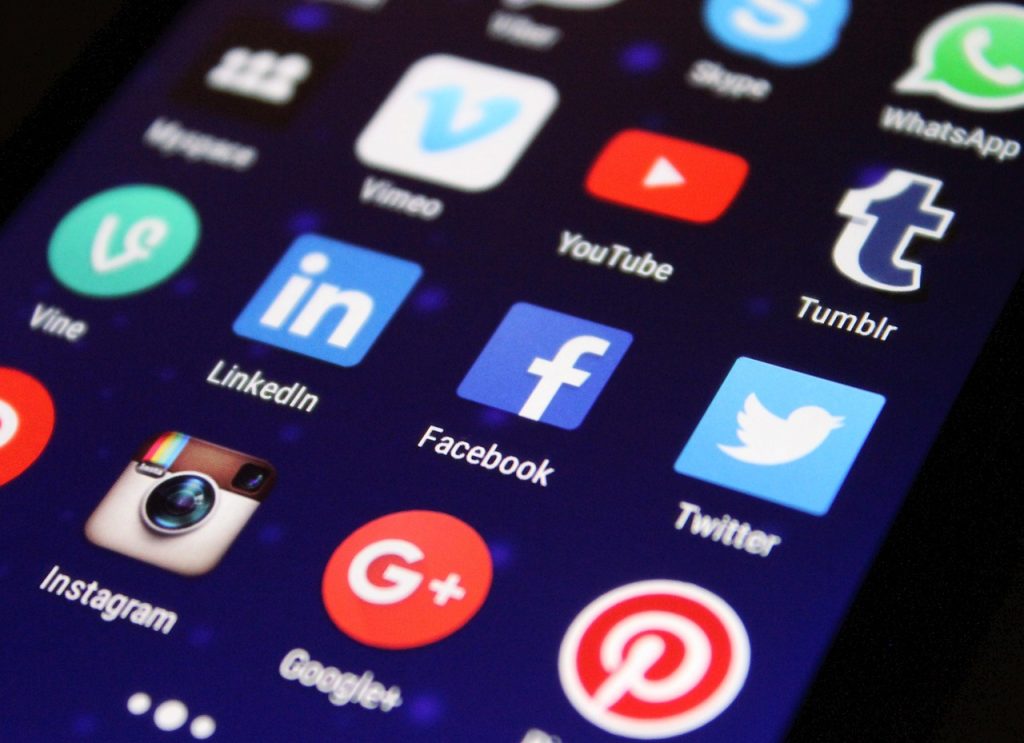
Social media platforms are powerful tools for building and promoting your brand. Here’s how to effectively use each platform:
- LinkedIn: Share industry insights professional achievements, and network with key players in your field. Engage in meaningful discussions and contribute to relevant groups.
- Instagram: Showcase your brand visually by sharing behind-the-scenes content, success stories, and brand-related visuals. Use Instagram Stories and Reels for a more personal connection.
- Twitter: Share real-time updates, participate in trending conversations, and showcase thought leadership by posting or retweeting insightful content related to your industry.
- Facebook: Create a professional page as a portfolio of your work and experiences. Engage with your community through interactive posts, live streams, or business updates.
Focus on building relationships and increasing engagement on these platforms to expand your personal brand’s reach.
See also: Personal Branding for Freelancers in the UK
Creating Valuable Content to Establish Authority
Content marketing is crucial to personal branding for entrepreneurs and small business owners. By consistently producing valuable content, you can position yourself as an authority in your industry. Here are key content types to consider:
- Blog Posts: Write informative articles that answer common questions in your industry or solve problems for your audience. This helps establish credibility and trust.
- Videos: Share educational or behind-the-scenes videos to engage your audience visually. Platforms like YouTube, Instagram, and TikTok are great for video content.
- Podcasts: Launch a podcast where you discuss industry trends, interview experts, or share personal insights. This is a great way to reach an audience that prefers audio content.
- Guest Contributions: Write guest posts for industry-leading blogs or participate in podcasts and webinars hosted by others to increase your brand’s visibility further.
The more valuable and relevant content you produce, the more likely people will see you as an expert in your field.
Networking and Collaborating to Expand Your Brand

Building a solid personal brand requires more than just an online presence. Networking and collaboration are essential for expanding your reach and reinforcing your brand in your industry. Here’s how to effectively network and collaborate:
- Build Relationships: Actively engage with other entrepreneurs, industry leaders, and potential clients by attending online and offline events.
Establishing personal connections can lead to collaborations, partnerships, or speaking engagements to boost your brand’s visibility.
- Collaborate with Industry Peers: Look for opportunities to collaborate with others in your field. This could involve co-hosting a webinar, writing a joint blog post, or working together on a product or service.
Collaborations increase your credibility and expose your brand to a broader audience.
Networking helps solidify your reputation, while collaboration creates valuable opportunities to grow your brand in new and innovative ways.
Explore further: 4 Powerful Personal Branding Tips
Attending Industry Events and Speaking Engagements
Attending and participating in industry events is a powerful way to expand your brand. Here’s why it matters:
- Gain Exposure: By attending events, conferences, and trade shows, you’ll have the opportunity to meet key figures in your industry, introduce yourself to potential clients, and get your name out there.
- Public Speaking: Speaking at events is one of the most effective ways to build credibility. Whether participating in a panel discussion or giving a solo presentation, public speaking helps position you as an expert in your field.
- Networking Opportunities: Industry events provide numerous opportunities to meet people, share ideas, and start meaningful relationships that can strengthen your brand.
Partnering with Influencers and Brand Ambassadors
Collaborating with influencers or brand ambassadors can significantly increase your personal brand’s reach. Here’s how to leverage these partnerships:
- Identify Relevant Influencers: Look for influencers in your industry or niche who align with your brand values. These could be thought leaders, bloggers, or social media personalities with a large following in your target audience.
- Develop Mutually Beneficial Partnerships: When collaborating with influencers, ensure the relationship benefits both parties. This could involve cross-promotion, sharing content, or co-hosting events. The goal is to amplify your brand’s visibility while adding value to the influencer’s audience.
- Utilise Brand Ambassadors: Brand ambassadors can help promote your brand by endorsing your products, services, or business. These individuals are typically passionate about your brand and will organically share your message with their network.

Maintaining Consistency Across All Branding Channels
Consistency is critical when building a solid personal brand. It helps create recognition, fosters trust and ensures that your audience perceives you as you intend.
Maintaining consistent messaging, tone, and visuals across all platforms makes your brand easily recognisable and memorable.
Whether you’re updating your website, posting on social media, or sending out newsletters, consistency helps reinforce your identity and message, leaving a lasting impression on your audience.
Aligning Visual Identity with Your Brand
Your visual identity is crucial in shaping how your audience perceives your brand. Here’s how to ensure consistency:
- Design Elements: Define your brand’s core design elements: logo, colour scheme, fonts, and imagery. These should reflect your brand’s personality and values.
- Apply Across All Channels: Use these design elements consistently across all channels—from your website to your social media profiles. The aim is for your audience to immediately recognise your brand based on these visual cues.
- Adaptation Without Losing Identity: While different platforms may have varied layouts and functionalities, adapt your design elements to suit each platform without losing your core identity. This ensures that whether someone interacts with your website, a business card, or a social media post, they will see a cohesive brand.
A solid visual identity ensures your brand stands out and stays in your audience’s mind, no matter where they encounter it.
Keeping Your Message Consistent Across Platforms
Along with visual consistency, it’s crucial to maintain a unified message across all your branding channels. This involves keeping your tone, voice, and overall messaging aligned with your brand values. Here’s how:
- Define Your Brand Voice: Whether professional, friendly, or authoritative, your tone should reflect your brand’s personality. Once defined, use this tone consistently in all communications, from blog posts to social media captions.
- Unify Your Message: Ensure your core message remains the same, no matter the platform. For example, your LinkedIn bio should align with your website’s description, and the overall message conveyed through your content should support the brand’s values and mission.
- Tailor Without Dilution: Different platforms may require different content formats, but your underlying message should remain unchanged. Tailor the content to suit the platform, but don’t compromise on your brand’s core message.
Maintaining a consistent tone and message helps build trust with your audience, ensuring that your brand resonates with people across all touchpoints.
FAQs for Personal Branding For Entrepreneurs And Small Business Owners
- How do I define my personal brand as an entrepreneur?
- Start by identifying your unique strengths, core values, and the message you want to communicate. Think about what sets you apart and how you can best serve your audience.
- What are the best social media platforms for building a personal brand?
- LinkedIn, Instagram, Twitter, and Facebook are popular platforms. Choose the ones where your target audience is most active and use them to showcase your expertise, share valuable content, and build relationships.
- How can I create content that enhances my personal brand?
- Focus on creating valuable, industry-specific content that solves problems for your audience. Use blogs, videos, podcasts, and social media posts to share insights, experiences, and expertise.
- Why is consistency important in personal branding?
- Consistency builds trust and recognition. A unified message and visual identity across all platforms make your brand more memorable and credible.
Read Next: How to Use Social Media for Job Searching