Major Impacts Of Doctor’s Strike On The UK Healthcare System.
Major Impacts of Doctor’s Strike on the UK Healthcare System can be felt instantly in everyday scenarios. Imagine you wake up one day with a throbbing headache that just won’t quit. You’re worried, so you decide to call your local doctor’s office, but instead of the friendly voice of the receptionist, you hear a recording saying, “Due to a strike, routine appointments are currently unavailable.” What do you do?
In the UK, doctors considering a strike could soon become a reality. In this blog post, we’ll explore the effects of these strikes on our healthcare system, the people it serves, and even the doctors themselves.
Some Factors that Influence Doctors’ Decision to Go on Strike
Major Impacts of Doctor’s Strike on the UK Healthcare System are often influenced by several factors that lead doctors to decide to strike. The decision of doctors to go on strike is never made lightly. It’s a significant and emotionally driven step that impacts not only the healthcare professionals themselves but also patients and the healthcare system at large. Let’s take a look at a few of these reasons:
Pay and Benefits: Disputes over salaries, benefits, and working conditions are common triggers for strikes. Doctors may feel that their compensation does not reflect the demands and responsibilities of their profession.
Workload and Staffing: High workloads, long working hours, and understaffing can lead to burnout and negatively impact patient care. Major Impacts of Doctor’s Strike on the UK Healthcare System include highlighting these critical issues, as doctors may strike to draw attention to them and demand safer working conditions.
Patient Safety: Concerns about patient safety often drive doctors to strike. They may believe that staffing levels, resources, or hospital conditions compromise patient care and safety.
Contract Disputes: Contract negotiations between doctors and healthcare authorities can break down, leading to strikes. Disagreements over contractual terms, such as hours, on-call duties, and benefits, can fuel labor disputes.
Government Policies: Healthcare policies and reforms imposed by the government can be a source of tension. Doctors may strike to protest changes they believe will negatively impact the quality of care they can provide.
Legal Protections: Doctors may strike to advocate for better legal protections, such as measures to prevent violence against healthcare workers or improvements in medical malpractice laws.

How Doctor Strikes Impact the Healthcare System in the UK
Delayed Medical Care: When doctors go on strike, routine medical services like check-ups, appointments, and non-emergency treatments can get delayed or cancelled. Imagine you had a doctor’s appointment to address a health concern, but the strike means you must wait longer for that important visit. This delay can be frustrating for patients who need timely care.
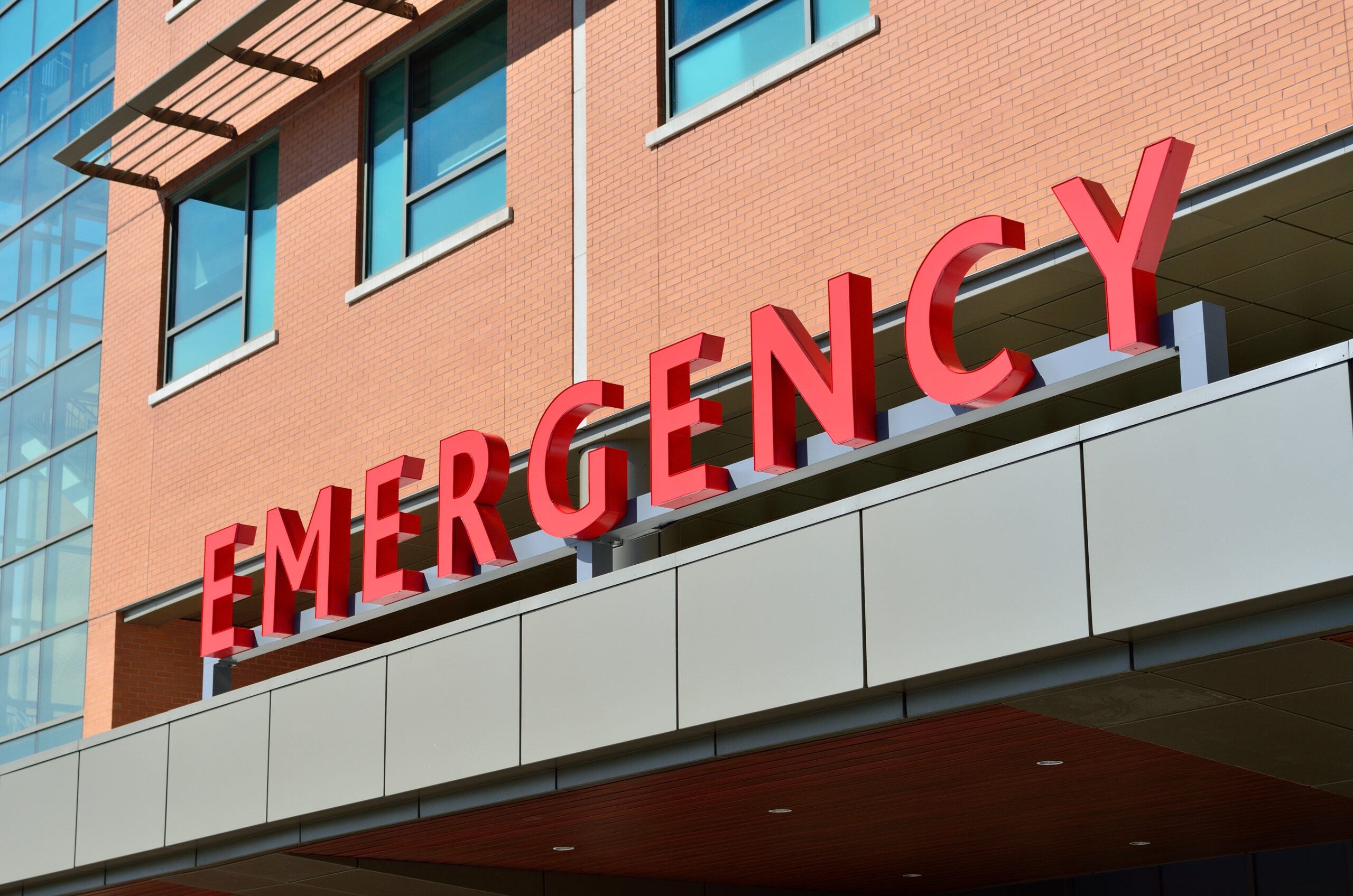
Strain on Emergency Services: Emergency care remains available while routine services are disrupted. However, the increased number of patients seeking help in the emergency room during a strike can put extra pressure on healthcare staff and resources. This may mean longer waiting times and a bit more chaos in hospitals.
Rescheduling and Backlogs: After a strike, healthcare providers need to reschedule all the postponed appointments and treatments. This can create a backlog, which means many patients are waiting to be seen. Catching up on this backlog can take time, making it challenging for the healthcare system to return to normal right away.
Staff Morale: Strikes can also affect the morale of healthcare workers, including doctors and nurses. These professionals often strike to draw attention to issues like pay and working conditions. When their concerns aren’t addressed, it can lead to frustration and affect how they feel about their jobs.
Trust and Confidence: Patient trust and confidence in the healthcare system can be shaken by strikes. People might worry about the availability and quality of care when strikes happen. This can lead to concerns about the overall stability and reliability of the UK healthcare system.
See Also: Highest paying UK jobs positions in 2022

The impact on Patients
Delays in Medical Care: When doctors go on strike, it often means that scheduled appointments and non-emergency treatments have to be postponed or canceled. This can be frustrating and concerning, especially if you have a health issue that requires prompt attention. Imagine waiting for weeks to see a specialist, only to have your appointment pushed back due to a strike. It can feel like your health is put on hold.
Busier Emergency Rooms: During a doctor strike, emergency care still operates, but with the disruption of routine services, more people may turn to the emergency room for help. This increased demand can put pressure on healthcare staff and resources. Longer wait times and a more crowded environment can be stressful for patients and healthcare providers alike.
Longer Wait Times: After a strike ends, there’s often a backlog of patients who need to be rescheduled for their missed appointments and treatments. This backlog can lead to longer waiting times for patients, as healthcare providers work to catch up on the appointments that were postponed. Patients may find themselves waiting longer than usual to receive the care they need.
Worries About Healthcare: The occurrence of doctor strikes can create worries and uncertainties about the healthcare system’s reliability. Patients may wonder whether they can count on timely access to medical care when they require it. This uncertainty can lead to anxiety, especially for individuals with chronic conditions or ongoing healthcare needs.
Trust in Healthcare: Trust in the healthcare system is vital for patients. Doctor strikes can sometimes affect this trust, as patients may question whether the system can consistently deliver quality care, especially during times of labor disputes. Rebuilding trust in healthcare can take time and effort.

Tips for Staying Safe During a Doctor’s Strike in the UK, “Especially If You Need Medical Attention”
A doctor’s strike can be a challenging time, especially if you have ongoing healthcare needs or find yourself facing a sudden health issue. But fear not, because with a little bit of preparation, you can ensure your safety during such situations with these few tips;
Stay Informed: Knowledge is your best friend during a doctor’s strike. Keep yourself informed about the strike’s status, any emergency services available, and where to go for medical help if needed. You can rely on trusted news sources and official healthcare websites for updates.
Plan Ahead: If you have a pre-existing medical condition, it’s a good idea to plan ahead. Ensure you have an adequate supply of necessary medications, and consider discussing your condition with another healthcare professional for guidance during the strike period.
Utilize Telehealth Services: Many healthcare providers offer telehealth services, allowing you to consult with a doctor remotely. Telehealth can be an excellent option for non-emergency medical concerns, prescription refills, or seeking advice on minor ailments.
Know Your Local Walk-In Clinics: Find out if there are any walk-in clinics or urgent care centers in your area. During a strike, these facilities may be more accessible than hospitals for non-emergency issues.
Don’t Hesitate in Emergencies: In a genuine medical emergency, don’t hesitate to call 999 (or 112) for immediate assistance. Emergency services remain operational during strikes, and they are there to help when life and health are at risk.
Stay Healthy: While it’s crucial to address health concerns promptly, staying healthy can also prevent medical emergencies. Maintain a balanced diet, exercise regularly, and follow your doctor’s recommendations to reduce the risk of health issues.
Be Patient: During strikes, the healthcare system might experience delays and longer waiting times. Be patient and understand the challenges healthcare professionals face.