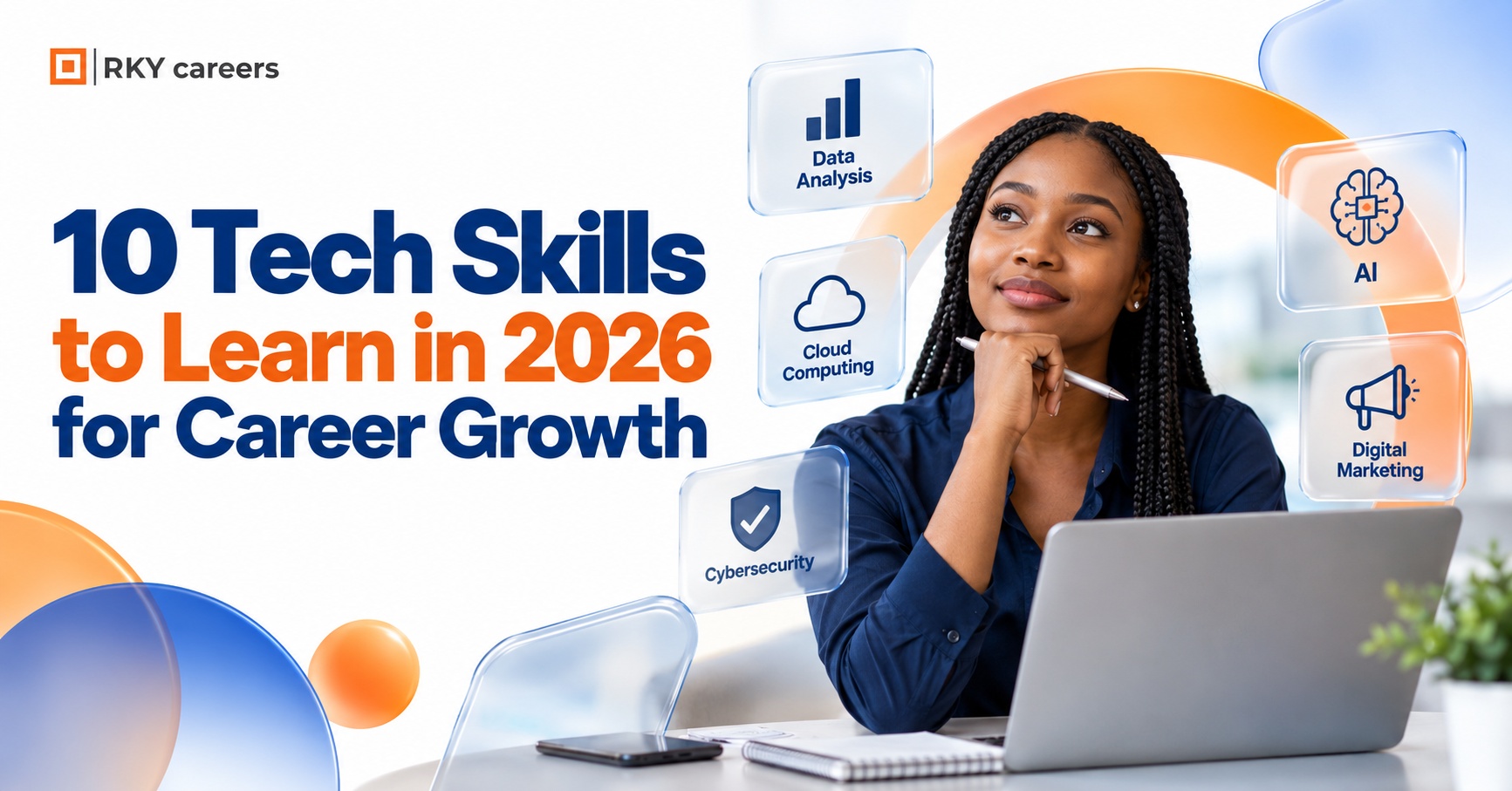
10 Tech Skills to Learn in 2026 for Career Growth
Are tech skills to learn in 2026 leaving you unsure where to invest your time? Are you worried that AI could reshape your role before you feel prepared? These concerns are understandable when technology changes faster than many traditional career plans.
I see the biggest challenge as choosing useful skills without wasting months on passing trends. Therefore, this guide explains ten practical skills, why employers value them, and where they can lead.
You will also learn how to practise, prove, and position those skills for better opportunities. Most importantly, you will discover how to build career growth around skills employers can actually use.
Why Tech Skills to Learn in 2026 Matter More Than Ever
The market does not expect every professional to become a software developer. Instead, employers increasingly want people who can use technology to solve real business problems.
This shift explains why tech skills in demand in 2026 now span data, AI, security, marketing, and digital delivery. It also changes how you should plan your next career move.
The 2026 Skills Reset Has Already Started
The workplace is changing faster than many career plans can keep pace. Therefore, choosing tech skills to learn in 2026 requires more thought than simply following online trends.
The World Economic Forum reports that 39% of workers’ existing skill sets could change or become outdated by 2030. It also identifies AI, big data, cybersecurity, and technological literacy among the fastest-growing skill areas.
Look: this does not mean your previous experience suddenly has no value. Instead, you need technology skills for the future that strengthen what you already understand.
Your industry knowledge can become even more valuable when paired with practical digital capability. Consequently, career growth now depends on combining experience with relevant technology rather than replacing one with the other.
Employers Want People Who Can Work With Technology
Technology is no longer confined to IT departments or specialist teams. Finance teams analyse dashboards, marketers automate campaigns, and project teams rely on digital platforms every day.
PwC’s 2026 AI Jobs Barometer found jobs requesting AI skills were growing 69% faster than the wider job market. The report also found a substantial wage premium attached to AI-related capabilities.
Several digital skills to learn in 2026 therefore have value outside traditional technology roles. You can apply them in finance, healthcare, retail, marketing, operations, education, and many other sectors.
But here’s the kicker: employers rarely pay more simply because you completed another course. They value people who can apply useful skills to problems that affect customers, revenue, cost, or productivity.
Build A Skill Stack Instead Of Collecting Certificates
The best tech skills to learn in 2026 should complement each other rather than sit separately. For instance, a marketer could combine digital marketing, data analysis, and generative AI.
A project manager could combine business analysis with automation and reporting skills. Likewise, an analyst could strengthen data skills with Python and AI tools.
I recommend choosing one core skill and one supporting skill at first. You can then build practical projects that connect both capabilities.
This approach makes high-income tech skills easier to demonstrate during applications and interviews. It also gives employers a clearer reason to understand where you fit.
Your goal should not be knowing everything about technology. Instead, become valuable in one area before gradually widening your technology skills for the future.
Related reading: How To Get A Job In Tech | Will Robot Take Your Jobs? Here Is The Truth
5 Technical Skills Leading The 2026 Job Market
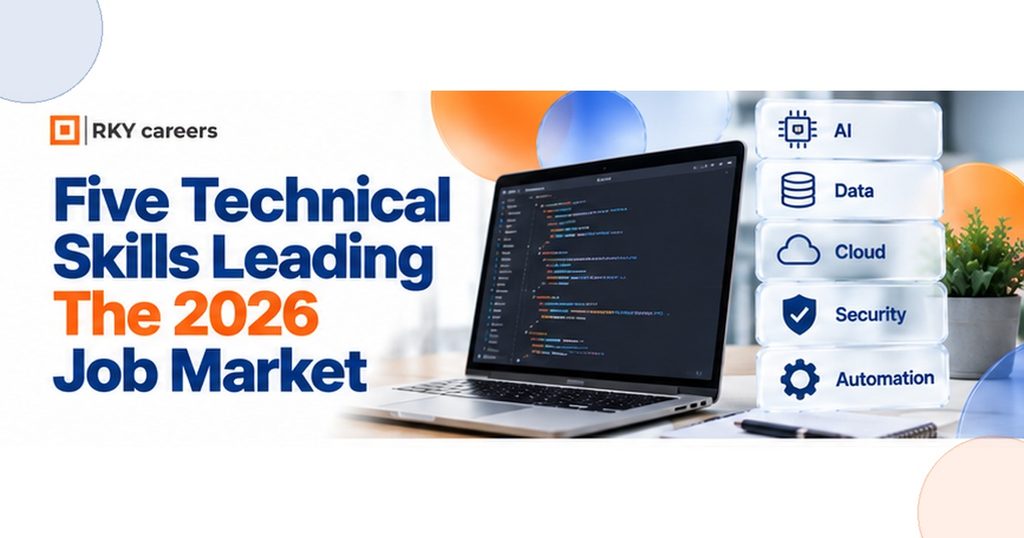
The first five skills focus on technical capabilities changing how organisations operate. They are among the best technology skills to learn when you want measurable and transferable career value.
These capabilities also sit close to many high-income tech skills across growing industries. Therefore, learning them can improve both your employability and long-term flexibility.
1. Artificial Intelligence And Generative AI
Artificial intelligence has moved from experimental technology into everyday workplace activity. Therefore, AI fluency belongs near the top of tech skills to learn in 2026.
You do not need to become a machine learning engineer before gaining value. Instead, begin by understanding how AI can improve everyday work without replacing human judgement.
Start by learning how to:
- Write clear prompts
- Evaluate AI-generated outputs
- Automate repetitive work
- Research with AI responsibly
- Check accuracy and bias
- Combine AI with professional judgement
Coursera reported an 866% year-on-year increase in generative AI enrolments during its 2025 skills analysis. That surge shows how quickly professionals are adding AI capabilities to their existing roles.
The opportunity also goes beyond ChatGPT or similar assistants. You should learn how AI supports the problems already present within your profession.
That combination creates stronger tech skills for career growth than learning tools without context. It also helps you explain business value rather than simply listing software names.
2. Data Analysis And Business Intelligence
Companies collect huge amounts of information but still need professionals who can explain what matters. That is why data analysis remains one of the best tech skills to learn in 2026.
You can begin with Excel before progressing into SQL, Power BI, Tableau, and basic statistics. Python can follow when your analytical foundation becomes stronger.
Here’s one: imagine analysing monthly sales data and discovering why customer retention dropped. You could clean the information, identify patterns, build a dashboard, and recommend practical action.
That type of project shows employers both technical ability and commercial thinking. It also provides evidence that you can translate numbers into decisions.
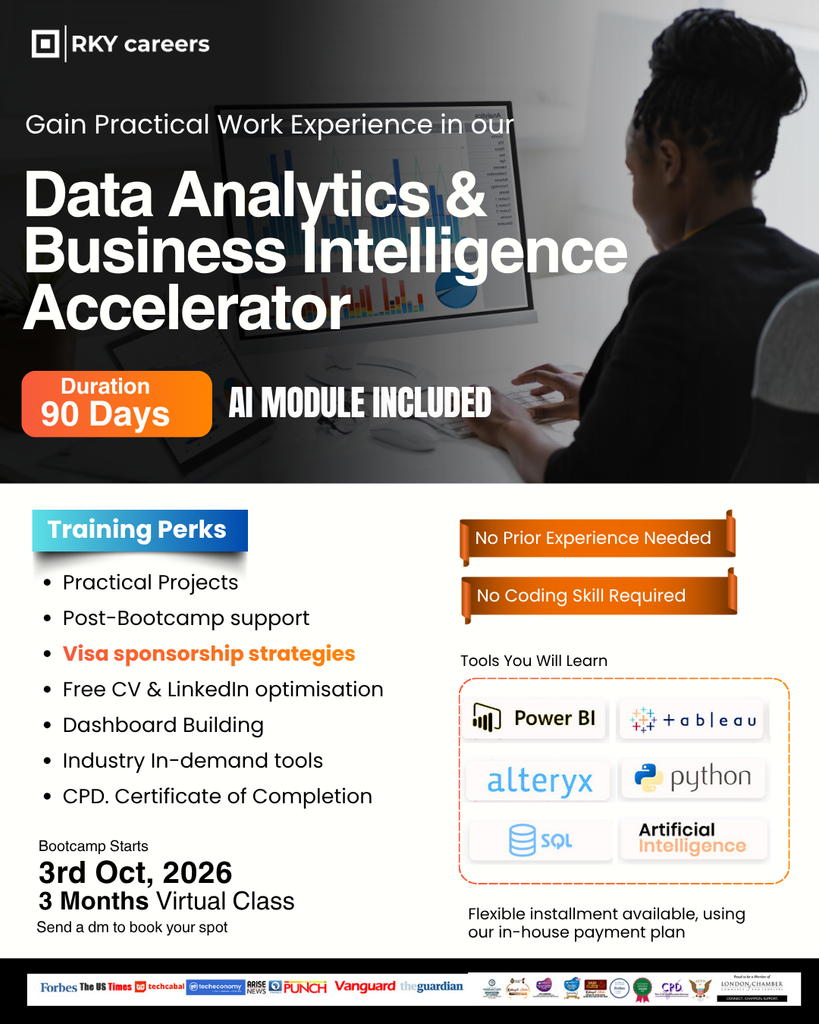
RKY Careers’ Data Analyst and Business Intelligence programme focuses on building this connection between data and business decision-making. It can therefore support professionals seeking practical technology skills for the future.
3. Cybersecurity
Every organisation that uses digital systems also creates security risks. Consequently, cybersecurity remains one of the strongest tech skills in demand in 2026.
You can begin with foundational concepts before moving towards specialist roles. These basics help you understand how organisations protect people, systems, and information.
Focus on areas such as:
- Network security
- Identity and access management
- Threat awareness
- Data protection
- Incident response
- Security auditing
The UK Government’s 2025 cyber skills research found 49% of UK businesses had a basic technical cybersecurity skills gap. That gap shows why organisations still need people with practical security knowledge.
However, cybersecurity is becoming more competitive at entry level. Therefore, you should combine study with laboratories, practice exercises, and documented security scenarios.
Certifications can strengthen your profile, but practical understanding should come first. Over time, cybersecurity can develop into one of the most valuable high-income tech skills.
4. Cloud Computing
Modern organisations increasingly run applications, databases, and services through cloud platforms. Therefore, cloud computing supports many emerging tech skills 2026 employers need.
You can begin with one major provider instead of trying to understand every platform immediately. AWS, Microsoft Azure, and Google Cloud Platform are common starting points.
Learn how these areas connect:
- Cloud storage
- Computing resources
- Networking
- Databases
- Access permissions
- Monitoring
- Security
But why should this matter to you? Cloud knowledge complements software development, data analysis, cybersecurity, DevOps, and AI work.
You do not need to memorise every cloud service before building experience. Instead, deploy a small application, create secure storage, or build a basic cloud environment.
Practical projects turn cloud computing into genuine technology skills for the future. They also give you useful examples for CVs, portfolios, and interviews.
5. Python And Workflow Automation
Repetitive digital work creates an excellent opportunity for automation. Python remains valuable because professionals use it for data, scripts, APIs, AI, and routine processes.
However, beginners should resist the temptation to start with complex projects. Small automations often teach more because you can clearly understand the problem and result.
You could begin by automating:
- File renaming and organisation
- Spreadsheet cleaning
- Simple reporting
- API requests
- Data movement between systems
No-code tools can support the same goal when programming is unnecessary. Platforms such as Power Automate, Zapier, and Make help professionals automate everyday workflows.
Here’s the deal: automation becomes valuable when it saves measurable time or reduces mistakes. Therefore, document what happened before and after your solution.
That evidence turns automation into one of the best technology skills to learn for career advancement. It also gives employers a practical reason to value your ability.
Related reading: How to Switch into Data Analytics UK with No Experience | How Our Project Management Bootcamp Helped Emmanuel Become a Project Manager in the UK
Five Business-Facing Digital Skills That Multiply Your Value

Not every valuable technology career begins with coding. Several of the best tech skills to learn in 2026 connect technology with people, customers, projects, and business decisions.
These technology skills for the future can help career changers reuse years of existing experience. Therefore, you may not need to restart your career from zero.
1. Digital Marketing And Marketing Analytics
Digital marketing now combines creativity, customer behaviour, technology, analytics, and automation. Consequently, it remains one of the most practical digital skills to learn in 2026.
Successful marketers increasingly need to understand both creative communication and measurable performance. Therefore, analytical ability can now separate strong marketers from those relying only on content production.
Focus on areas such as:
- Search engine optimisation
- Paid advertising
- Content strategy
- Email marketing
- Google Analytics
- Conversion tracking
- Marketing automation
- Campaign reporting
AI can accelerate marketing work, but human judgement still matters. Creating twenty advert variations has little value if none connects with the right customer.
The RKY Careers Digital Marketing Bootcamp offers practical digital marketing training for professionals and career changers. It also supports learners who want to build marketable tech skills for career growth.
2. Project Management
Technology initiatives still need people who can organise work, deadlines, budgets, risks, and stakeholders. Therefore, digital project management continues to hold value across many industries.
Project professionals now use technology to plan work, communicate progress, manage risks, and measure delivery. As a result, modern project management includes much more than meetings and schedules.
Useful areas to learn include:
- Agile delivery
- Waterfall delivery
- Risk management
- Project planning
- Stakeholder communication
- Jira and related tools
- Reporting and governance
You may be wondering where the technology element appears. It sits inside the way modern projects are planned, tracked, reported, and delivered.
Digital teams depend on collaboration platforms, dashboards, automation tools, and data-based decisions. Therefore, project management remains one of the best technology skills to learn for experienced professionals.
The RKY Careers Project Management and Business Analysis programme combines practical project delivery with career support. It can help you turn transferable workplace experience into a clearer technology career path.
3. Business Analysis
Business analysts help organisations understand problems before teams spend money solving them. Consequently, business analysis remains one of the strongest technology skills for the future.
You do not need deep programming knowledge to begin. However, you must understand processes, stakeholders, requirements, and how technology supports business change.
You can learn how to:
- Gather requirements
- Map business processes
- Analyse problems
- Work with stakeholders
- Document solutions
- Support technology change
- Measure outcomes
Your previous career can become a major advantage here. A healthcare professional understands healthcare workflows, while a banker understands financial processes.
Likewise, a customer service professional already understands customer pain points. Business analysis simply gives that experience a structured approach.
Therefore, business analysis can become one of the strongest tech skills in demand in 2026 for career changers. It allows you to use existing expertise while developing digital capability.
4. Product Management
Product managers connect customer problems, business goals, technology teams, and commercial priorities. Therefore, product thinking can lead towards several high-income tech skills without requiring advanced coding.
Strong product professionals understand how customer needs connect with business results. They also know how to prioritise work when time and resources are limited.
Useful areas include:
- User needs
- Market research
- Product roadmaps
- Prioritisation
- Metrics
- Experiments
- Stakeholder management
But stay with me. You should not learn product management by memorising frameworks without applying them.
Instead, create a product case study around a genuine user problem. Research alternatives, suggest features, prioritise them, and define measurable success.
That single project can demonstrate more than several unrelated certificates. Product management also combines naturally with AI, data analysis, UX, and business analysis.
For this reason, it remains useful among emerging tech skills 2026 professionals can combine. Your existing industry experience can also strengthen your product judgement.
5. UX/UI Design And User Research
Digital products struggle when users cannot understand or enjoy using them. UX and UI skills help organisations create clearer and more accessible digital experiences.
This field suits professionals who enjoy combining creativity with structured problem-solving. It also supports product, marketing, and technology teams across many industries.
You can learn:
- User research
- Wireframing
- Information architecture
- Prototyping
- Accessibility
- Usability testing
- Figma
However, attractive screens alone will not create a strong portfolio. Employers also want to understand the thinking behind your design decisions.
Your portfolio should explain the problem, research, testing, and final outcome. That storytelling demonstrates judgement rather than decoration.
UX can therefore become one of the best tech skills to learn in 2026 for creative professionals. It also combines well with product management, digital marketing, analytics, and front-end development.
Related reading: How to Advance Your Career in Data Analysis | How to Highlight Transferable Skills in Job Applications
How To Choose The Right Tech Skill For Your Career Growth

Choosing between ten promising options can quickly become another form of procrastination. Therefore, I recommend matching each skill against your strengths, target role, and preferred daily work.
This approach turns digital skills to learn in 2026 into a focused career plan. It also reduces the risk of collecting certificates that never create practical career progress.
Start With Your Existing Career Capital
Do not erase ten years of experience simply because you discovered new tech skills to learn in 2026. Instead, identify which digital abilities can increase the value of what you already know.
Ask yourself three practical questions:
- What problems do I already understand?
- Which tasks do I genuinely enjoy?
- Which technology could make me better at those tasks?
An accountant could add data analysis, while a marketer could add AI and analytics. Similarly, an operations professional could add business analysis or project management.
This approach reduces your learning curve because you already understand the industry context. Your new skill therefore becomes an amplifier rather than a complete career restart.
That matters particularly for mid-career professionals with limited time for retraining. It also helps you build tech skills for career growth around strengths you already possess.
Compare Skills Against The Work You Want
Do not choose a career skill simply because somebody shared an impressive salary online. Instead, examine the daily work and decide whether you would enjoy solving those problems regularly.
Different technology careers demand different combinations of creativity, analysis, coding, communication, and organisation. Therefore, understanding the work itself should shape your decision.
| Skill | Coding Level | Strong Fit For | Portfolio Example |
|---|---|---|---|
| Data Analysis | Low to Medium | Analytical thinkers | Power BI dashboard |
| AI | Low to High | Problem solvers | AI workflow |
| Cybersecurity | Medium | Detail-focused professionals | Security lab |
| Digital Marketing | Low | Creative analysts | Campaign report |
| Business Analysis | Low | Strong communicators | Process improvement case |
| UX/UI | Low | Creative problem solvers | Product redesign |
The bottom line: the best tech skills to learn in 2026 should match how you enjoy solving problems. A strong fit makes it easier to practise consistently and build deeper expertise.
Build One Core Skill And One Supporting Skill
Trying to master ten skills at once usually creates shallow knowledge. Instead, choose one core capability and develop real confidence before adding supporting expertise.
A second skill should strengthen the first rather than distract from it. This creates a clearer professional story when you apply for roles.
Useful combinations include:
- Data analysis and AI
- Digital marketing and analytics
- Cybersecurity and cloud
- Product management and UX
- Business analysis and project management
- Python and automation
For example, saying you are learning seven unrelated tools creates confusion. Showing strong data analysis with practical AI automation creates a clearer professional identity.
This focused approach transforms technology skills for the future into credible career positioning. It also makes your development easier to explain to recruiters and hiring managers.
Related reading: How My Career Transition Into Tech Paid Off After The RKY Careers Data Analysis/Business Intelligence Bootcamp: Taylor’s Success Story | Best Job Search Websites in 2026
Turn Learning Into Evidence Employers Can Trust
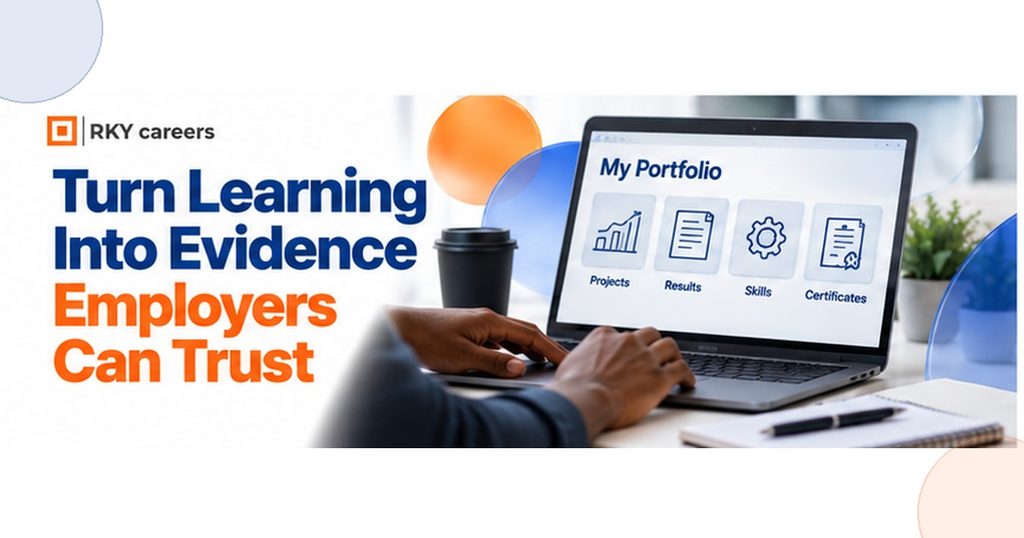
Learning creates potential, but evidence builds employer confidence. Therefore, your next task is turning knowledge into projects, achievements, and stories that demonstrate what you can actually deliver.
This is where tech skills for career growth become more powerful. Employers can assess what you built, improved, measured, or automated instead of trusting course titles alone.
Build Projects Before You Feel Ready
A portfolio converts tech skills to learn in 2026 from claims into visible evidence. Your project does not need to reinvent an industry before employers can find it useful.
Instead, solve one clear problem and explain your reasoning. This allows employers to see both technical ability and decision-making.
For data analysis, create a dashboard answering commercial questions. however, you would be required to develop a campaign and measure performance in the field of digital marketing.
For business analysis, map an inefficient process and recommend improvements. Each project should make your contribution easy to understand.
Include:
- The problem
- Your approach
- Tools used
- Decisions made
- Final result
- Lessons learned
Now: projects also give you material for interviews, LinkedIn posts, and CV achievements. One good project can therefore support several stages of your job search.
A certificate tells employers that you studied something. A thoughtful project demonstrates what you can actually do with that knowledge.
Reposition Your CV And LinkedIn Profile
New capabilities cannot help recruiters if they remain buried beneath old job descriptions. Therefore, connect your previous achievements with your new career direction.
Replace vague responsibility statements with outcomes showing analysis, technology, improvement, leadership, or communication. Then align your profile with the problems your target employers need solved.
RKY Careers offers an ATS-focused CV optimisation service for professionals navigating competitive recruitment processes. The service can help position your experience around relevant achievements and target opportunities.
You can also explore the RKY Careers LinkedIn optimisation service to strengthen your professional visibility. A consistent CV and LinkedIn profile can make your developing tech skills easier for recruiters to recognise.
Here’s how you can do the same thing. Make every section of your profile answer one important question: why should this employer believe you can solve their problem?
Prepare To Explain Your Skills Under Pressure
Eventually, an interviewer will ask what you actually did with the skills you learned. Therefore, prepare clear project stories before interview invitations begin arriving.
Explain the problem, your decisions, difficulties, tools, and result. Avoid hiding your capability behind lists of software names.
Saying you know Power BI sounds weaker than explaining how your dashboard identified falling regional sales. Likewise, knowing Jira matters less than showing how you managed risks during a project.
RKY Careers also provides one-to-one interview preparation and coaching for professionals preparing for competitive roles. This support can help you communicate achievements with greater clarity and structure.
That final step turns high-income tech skills into credible professional evidence. Employers can then understand, question, and evaluate what you bring.
Build Job-Ready Data Skills With RKY Careers In 2026
RKY Careers offers a practical pathway into data analysis and business intelligence for professionals and career changers.
The RKY Careers Data Analyst and Business Intelligence bootcamp programme focuses on turning raw information into useful business insights. That makes it relevant for job seekers, professionals, and career changers seeking stronger analytical capability.
The programme offers structured learning rather than forcing you to piece together disconnected online tutorials. You can therefore develop practical skills while understanding how those skills apply to workplace decisions.
Areas you can develop include:
- Data analysis
- Business intelligence
- Reporting
- Data-driven decision-making
- Practical workplace projects
- Career positioning
- Job search strategy
- Interview preparation
More importantly, structured learning can help you move from understanding concepts to applying them. That matters because employers increasingly want proof that you can use what you have learned.
The wider RKY Careers ecosystem also supports professionals beyond technical training. You can access CV optimisation, LinkedIn optimisation, career advisory, and interview preparation services as your job search develops.
Bold promise? Definitely. But stay with me because no bootcamp can guarantee a job or remove every career obstacle.
Your consistency, applications, projects, market conditions, and interview performance will still influence your outcome. However, structured training can reduce the confusion that keeps many career changers stuck.
Instead of randomly collecting digital skills to learn in 2026, you can follow a clearer development path. You can then build practical work that gives employers something meaningful to assess.
If you have been researching the best tech skills to learn in 2026 but keep postponing your first serious move, choose one direction. Starting with one focused path is more useful than spending another year comparing options.
Explore the RKY Careers Data Analystics and Business Intelligence programme and start building practical skills you can demonstrate. Your next career move becomes stronger when employers can see, test, and understand your value.
The best tech skills to learn in 2026 will not change your career simply because you read about them. Your career begins changing when you practise those skills, prove them, and put them to work.