

Project Manager Job
If you’ve been searching for your next project manager job, you’re in the right place. Project management is one of the most versatile, in-demand, and rewarding career paths available today.
Whether you’re pivoting from another field or climbing the ladder in your current organisation, understanding what makes a successful project manager can transform your career trajectory.
In this guide, I’ll walk you through everything you need to know about project manager roles, from core responsibilities and essential skills to salary expectations and proven strategies for landing your dream role faster.
What Is a Project Manager Job?
Project management is more than just ticking off tasks on a checklist. It’s about orchestrating complex initiatives, aligning diverse teams, and delivering tangible business results.
Understanding the fundamentals of this role is the first step toward building a successful career in the field.
Overview of the project manager role
A project manager is the professional responsible for planning, executing, and closing projects within an organisation. They act as the bridge between stakeholders, teams, and objectives, ensuring that deliverables are met on time, within scope, and on budget.
The role varies significantly depending on the industry. In tech, you might manage software development sprints. In construction, you could oversee multi-million-pound builds. Regardless of sector, the core function remains the same: coordinate people, processes, and resources to achieve a defined outcome.
According to the Project Management Institute (PMI), the global economy will need 25 million new project professionals by 2030, highlighting just how critical this role has become.
Why project managers are critical to business success
Businesses don’t fail due to lack of ideas, they fail due to poor execution. That’s where project managers come in. They transform strategy into reality, mitigate risks before they become disasters, and keep teams aligned even during periods of change.
A report by PwC found that organisations with mature project management practices waste 28 times less money than those without. This underscores the tangible value skilled project managers bring to the table.
Great project managers aren’t just task coordinators. They’re strategic thinkers, problem solvers, and culture builders who drive measurable business outcomes.
Key Responsibilities of a Project Manager
Every project manager job comes with a core set of responsibilities that ensure projects run smoothly from inception to completion.
While specific duties vary by industry and seniority, these fundamental responsibilities remain consistent across all roles.
Planning, scheduling, and budgeting projects
At the heart of every successful project is a solid plan. Project managers define scope, set timelines, allocate resources, and create budgets that keep everything on track.
This involves:
- Breaking down large objectives into manageable tasks
- Identifying dependencies and critical paths
- Estimating costs and securing buy-in from leadership
- Using tools like Microsoft Project, Asana, or Monday.com to track progress
Without proper planning, projects drift. Deadlines slip. Costs balloon. The project manager’s ability to forecast and plan with precision is what prevents chaos.
Managing stakeholders and cross-functional teams
Project managers don’t work in silos. They collaborate with everyone from C-suite executives to front-line employees, ensuring alignment across departments.
Stakeholder management requires:
- Clear and consistent communication
- Managing expectations diplomatically
- Balancing competing priorities
- Building trust across diverse teams
You’ll often find yourself negotiating between marketing, finance, IT, and operations, each with their own goals and constraints. Your job is to create harmony and forward momentum.
Risk management and problem-solving
No project goes exactly to plan. Risks emerge. Obstacles appear. That’s why proactive risk management is a non-negotiable responsibility.
Effective project managers:
- Identify potential risks early
- Develop mitigation strategies
- Monitor risks throughout the project lifecycle
- Solve problems quickly and creatively when things go wrong
A study by McKinsey found that large IT projects run 45% over budget and 7% over time on average. Strong risk management skills help you beat those odds.
Read also:
Essential Skills for a Project Manager Job
Success in project management requires a blend of technical expertise and interpersonal finesse.
Employers seek candidates who can navigate complex methodologies whilst inspiring teams and managing stakeholder expectations effectively.
Technical and project management skills (Agile, Scrum, Waterfall)
Modern project managers need a strong grasp of methodologies that suit different project types. The most common include:
- Agile: Iterative, flexible approach ideal for software and tech projects
- Scrum: Framework within Agile focused on sprints and team collaboration
- Waterfall: Sequential, structured method suited for construction and manufacturing
- Kanban: Visual workflow management for continuous delivery
You don’t need to master all of them immediately, but understanding when to apply each is crucial. Many project manager positions now explicitly require Agile or Scrum experience, especially in tech-focused companies.
Tools you should be comfortable with include:
- Jira
- Trello
- Microsoft Project
- Smartsheet
- Confluence
Soft skills employers look for in project managers
Technical knowledge gets you in the door. Soft skills keep you there and help you thrive.
The top soft skills for project management careers include:
- Leadership: Inspiring teams without formal authority
- Communication: Translating complex ideas into clear, actionable guidance
- Emotional intelligence: Reading the room and managing team dynamics
- Adaptability: Pivoting quickly when priorities shift
- Negotiation: Finding win-win solutions under pressure
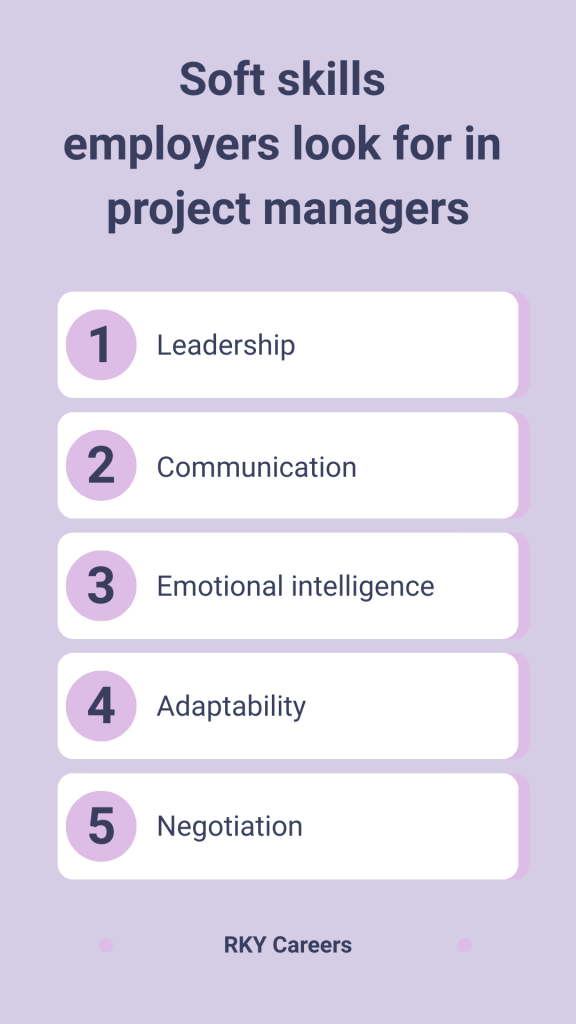
According to LinkedIn’s 2024 Global Talent Trends report, leadership and communication are among the most sought-after skills across all industries.
Employers don’t just want someone who can tick boxes. They want someone who can lead with empathy, resolve conflict, and keep morale high even when deadlines loom.
Read also:
Project Manager Job Types and Specialisations
Project management isn’t a one-size-fits-all profession. Different industries require different expertise, and understanding these distinctions helps you target the right project manager openings for your background and interests.
IT project manager jobs
IT project managers oversee technology initiatives from software development and system migrations to cybersecurity rollouts and cloud infrastructure projects.
This is one of the fastest-growing areas for project manager openings. With digital transformation accelerating across industries, demand for IT project managers continues to rise.
Key responsibilities include:
- Managing development teams using Agile or DevOps
- Coordinating with developers, QA testers, and product owners
- Ensuring technical projects align with business objectives
Construction, healthcare, and business project management
Project management isn’t limited to tech. It’s essential across sectors:
- Construction: Managing builds, contracts, timelines, and site safety
- Healthcare: Implementing new systems, managing compliance projects, and improving patient care workflows
- Business: Leading operational improvements, change management, and strategic initiatives
Each sector has its own nuances, certifications, and expectations. Understanding your industry deeply enhances your value and marketability.
Junior vs senior project manager roles
Junior project managers typically:
- Support senior PMs on larger projects
- Handle smaller, less complex initiatives
- Focus on execution rather than strategy
- Earn between £28,000–£40,000 in the UK
Senior project managers typically:
- Lead multiple projects or large-scale programmes
- Mentor junior team members
- Shape project governance and methodology
- Earn between £50,000–£80,000+ in the UK
Progression from junior to senior depends on experience, certifications, and demonstrated results.
Project Manager Salary and Job Outlook (UK & Global)
Understanding compensation and market trends is crucial when planning your career path. Project management offers competitive salaries and strong job security, but earnings vary based on experience, location, and industry specialisation.
Average project manager salary in the UK
Salary varies by experience, industry, and location. According to Glassdoor UK, the average project manager salary in the UK is approximately £50,000 per year.
Here’s a breakdown:
- Junior project manager: £28,000–£40,000
- Mid-level project manager: £45,000–£60,000
- Senior project manager: £60,000–£85,000
- Programme manager: £75,000–£100,000+
Location matters too. Project managers in London often earn 15–20% more than those in regional cities due to cost of living and demand.
Job demand and future growth trends
The outlook for project management careers is exceptionally strong. According to the Association for Project Management (APM), the UK project profession has expanded significantly, adding 190,000 full-time equivalent positions since 2019. The sector now employs 2.32 million professionals and has seen its annual gross value added surge by 19%.
Industries experiencing the highest demand include:
- Technology and software
- Healthcare and pharmaceuticals
- Construction and infrastructure
- Financial services
- Renewable energy
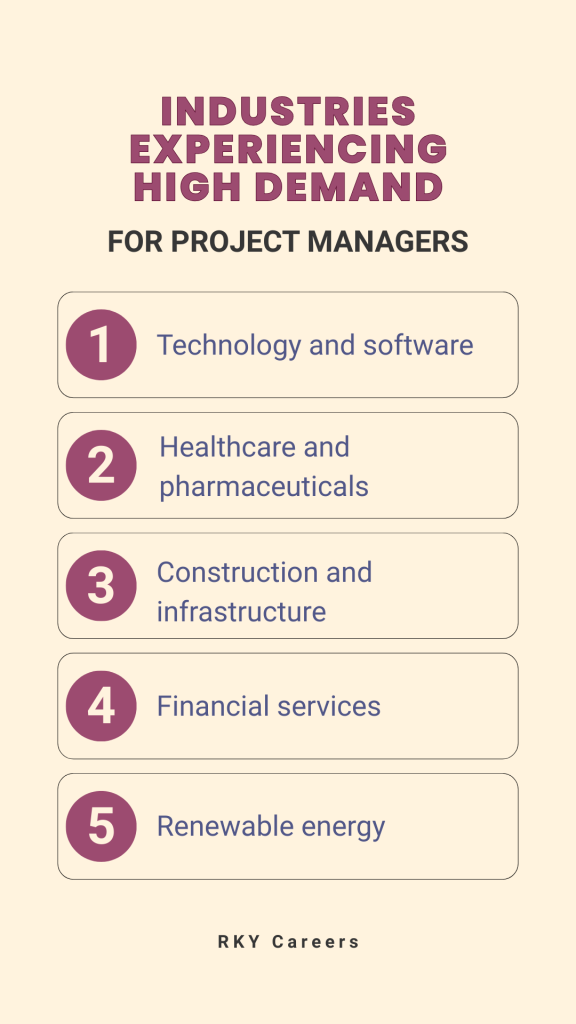
Whether you’re seeking project manager employment in a startup or a multinational corporation, opportunities are plentiful.

Ready to Fast-Track Your Career in Project Management?
At RKY Careers, we specialise in helping professionals like you transition into high-demand roles through personalised career development, hands-on bootcamps, and expert mentorship. Whether you’re exploring project manager vacancies or upskilling for the next level, we’ve got you covered.
Book a Free Career Consultation
How to Become a Project Manager
Breaking into project management doesn’t follow a single prescribed path. Whether you’re fresh out of university or transitioning from another field, there are multiple routes to establishing yourself in project manager roles.
Qualifications and certifications (PRINCE2, PMP, Agile)
While it’s possible to become a project manager without formal qualifications, certifications dramatically improve your chances of landing interviews and commanding higher salaries.
The most recognised certifications include:
- PRINCE2 (Projects IN Controlled Environments): UK-focused, structured methodology widely used in government and corporate sectors
- PMP (Project Management Professional): Globally recognised, rigorous certification from PMI
- Agile/Scrum certifications: Certified ScrumMaster (CSM) or PMI-ACP for Agile practitioners
- APM Project Management Qualification (PMQ): Entry-level UK certification
According to PMI’s Earning Power report, PMP-certified professionals earn 33% more on average than their non-certified peers.
Certifications signal competence, commitment, and credibility to employers. They also provide frameworks and language that help you succeed in the role.
Gaining experience without a project manager title
You don’t need a formal title to build project management experience. Many professionals transition into project manager roles by demonstrating PM skills in their current positions.
Here’s how:
- Volunteer to lead cross-functional initiatives
- Coordinate team projects or product launches
- Shadow experienced project managers
- Take on interim PM responsibilities during organisational change
- Showcase your planning, budgeting, and stakeholder management skills
Focus on outcomes. Did you deliver a project on time? How did you manage a budget? Were you able to coordinate multiple stakeholders? These are the stories that get you hired.
Read also:
How to Get a Project Manager Job Faster
Landing your ideal PM jobs requires more than qualifications and experience. It demands strategic positioning, targeted applications, and a compelling personal brand that sets you apart from other candidates.
Writing a project manager CV that gets interviews
Your CV is your first impression. It needs to be clear, results-focused, and tailored to each project manager recruitment opportunity.
Key elements of a winning project manager CV:
- Professional summary: 3–4 lines highlighting your experience, methodologies, and key achievements
- Core skills section: List certifications, tools, and methodologies (Agile, PRINCE2, Jira, etc.)
- Experience section: Use the STAR method (Situation, Task, Action, Result) to describe your impact
- Quantify achievements: “Delivered 15 projects on time and under budget, saving £120k annually”
- Education and certifications: Include formal qualifications and professional development
Avoid generic language. Instead of “responsible for managing projects,” say “led a cross-functional team of 12 to deliver a £2m software implementation 3 weeks ahead of schedule.”
Tailor your CV for each application. Mirror the language in the job description to pass Applicant Tracking Systems (ATS).
Where to find project management jobs
The best PM jobs aren’t always publicly advertised. Here’s where to look:
- Job boards: LinkedIn, Indeed, Reed, Totaljobs
- Specialist sites: PMjobs.co.uk, APM Job Board
- Recruitment agencies: Hays, Robert Walters, Michael Page
- Company career pages: Direct applications often get faster responses
- Networking: Attend PMI or APM events, join LinkedIn groups, tap into alumni networks
Don’t underestimate the power of networking. Many project managers secure roles through referrals and personal connections.
Read also:
FAQs: Project Manager Job
What does a project manager do daily?
A project manager coordinates tasks, communicates with stakeholders, monitors progress, manages risks, and resolves issues.
Is project management a good career in the UK?
Yes. Project management offers strong salaries, diverse opportunities, and excellent job security..
Do you need certification to become a project manager?
Certification isn’t mandatory, but it’s highly beneficial. Qualifications like PRINCE2, PMP, or Agile certifications increase your employability, credibility, and earning potential.
What industries hire the most project managers?
Technology, construction, healthcare, finance, and energy sectors hire the most project managers.


