Can a Civil Engineer Become a Project Manager?
Can a Civil Engineer Become a Project Manager? Absolutely. If you’ve ever found yourself overseeing timelines, managing budgets, and coordinating teams on a construction project, then you’re already doing a significant part of what project managers do.
But you may be wondering: Is making the full transition possible? The short answer is yes, and it’s happening more often than you think.
Civil engineers already possess strong analytical, technical, and problem-solving skills. These skills form a solid foundation for project management, especially in construction, infrastructure, and even tech-driven industries.
With the growing demand for multidisciplinary project managers, companies seek professionals who can bridge the gap between technical expertise and business strategy. Civil engineers fit the bill perfectly.
In this post, I’ll walk you through everything you need to know about transitioning from civil engineer to project manager.
We’ll explore the key skills you need, the best industries to consider, and the certifications that can accelerate your journey. If you’re ready to take your engineering career to the next level, keep reading.
Why Civil Engineers Make Great Project Managers
According to the U.S. Bureau of Labor Statistics, as of May 2022, approximately 86,360 project management specialists were employed in architectural, engineering, and related services.

Credit: U.S. Bureau of Labor Statistics
This significant number underscores the natural alignment between engineering disciplines and project management roles.
Overlap Between Engineering and Project Management
Civil engineering and project management share a common goal: successfully completing projects within defined constraints.
Both fields require meticulous planning, resource allocation, and risk management.
As a civil engineer, you’ve likely coordinated various aspects of a project, from design to execution, ensuring each phase aligns with the overall objectives.
This experience mirrors the responsibilities of a project manager, making the transition smoother than expected.
Skills Transferable from Civil Engineering
The analytical skills honed through engineering studies are invaluable transferable skills in project management. Problem-solving, critical thinking, and attention to detail are daily necessities in both roles.
These skills include the following:
- Project Planning & Scheduling
- Risk Management
- Budgeting & Cost Control
- Contract Management
- Stakeholder Management
- Quality Assurance & Control
- Data Analysis & Reporting
- Procurement & Vendor Management
- Health, Safety & Environmental (HSE) Compliance
- Technical Documentation & Report Writing
- Construction & Design Software Proficiency (e.g., AutoCAD, Primavera P6, MS Project)
- Agile & Waterfall Methodologies
- Team Leadership & Collaboration
- Problem-Solving & Decision-Making
- Regulatory Compliance & Permitting
Industry Demand for Dual Expertise
The demand for professionals with both engineering and project management expertise is on the rise.
A report by the Project Management Institute projects that by 2027, employers will need nearly 88 million individuals in project management-oriented roles.
This surge is particularly notable in sectors like construction and infrastructure development, where understanding the technical nuances is as crucial as managing timelines and budgets.
Companies increasingly value professionals who can bridge the gap between technical execution and strategic oversight, a role ideally suited for civil engineers aspiring to become project managers.
Also Read:
Steps to Transition from Civil Engineer to Project Manager
Transitioning from a civil engineering role to project management is a strategic move that leverages your technical expertise into leadership. Project management roles involve developing, scheduling, coordinating, and managing resources, including monitoring costs and work performance.
Gain Project Management Experience
Begin by seeking opportunities within your current role that allow you to manage projects or lead teams. This could involve taking charge of smaller projects, coordinating with various departments, or assisting a senior project manager.
By immersing yourself in these responsibilities, you’ll gain practical experience and demonstrate your capability to handle larger management roles.
Develop Key Management Skills
Beyond technical know-how, successful project managers excel in leadership, communication, and strategic planning. Consider enrolling in workshops or courses that focus on these areas.
Additionally, reading relevant literature and seeking mentorship from experienced project managers can provide valuable insights. Remember, the ability to inspire a team, articulate project goals, and navigate complex challenges is crucial in this role.
Network with Project Managers
Networking is a powerful tool for career advancement. 80% of professionals find networking essential to their career success.
By connecting with experienced project managers, you can gain insights into the role, learn about potential job opportunities, and receive guidance on navigating the transition.
Attend industry events, join professional associations, and engage in online forums to expand your network. Building these relationships can open doors and provide support as you move into project management.
Pursue Project Management Certifications
Pursuing project management certifications can significantly enhance your career prospects. According to the Project Management Institute (PMI), professionals holding the Project Management Professional (PMP)® certification earn 33% higher median salaries than their non-certified counterparts.
Here are some recommended certifications:
- PMP (Project Management Professional)
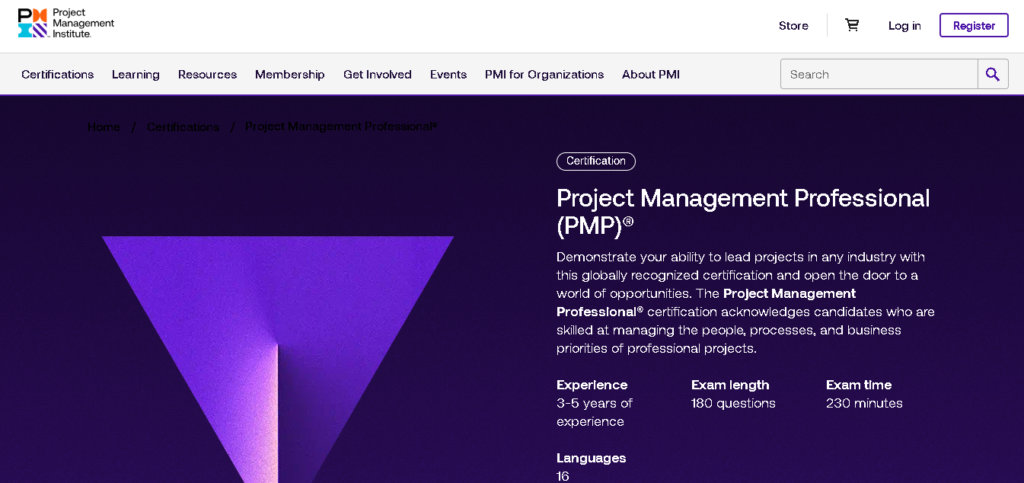
Credit: PMP
Offered by PMI, the PMP certification is globally recognised and demonstrates your ability to lead projects in any industry.
- PRINCE2 (Projects in Controlled Environments)
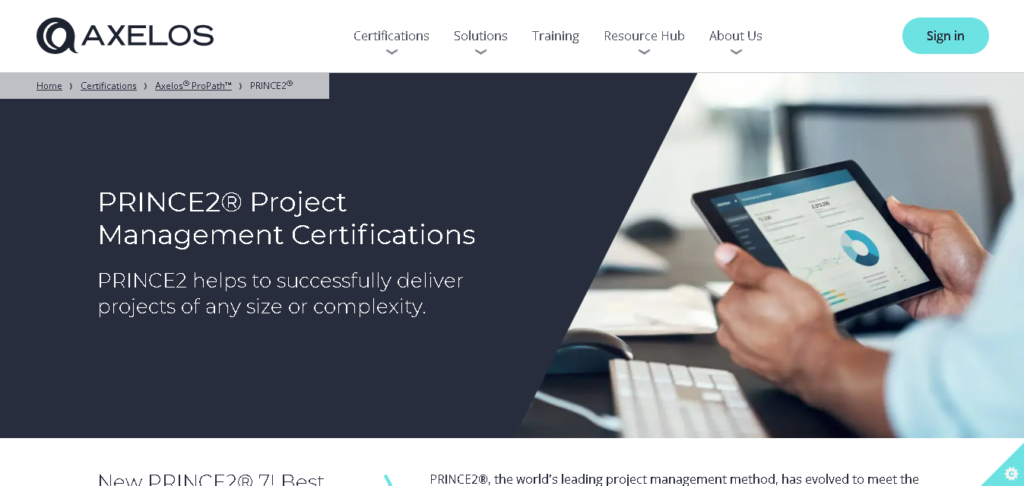
Credit: PRINCE2
Managed by AXELOS, PRINCE2 is a process-based method for effective project management, widely used in the UK and internationally.
- CAPM (Certified Associate in Project Management)
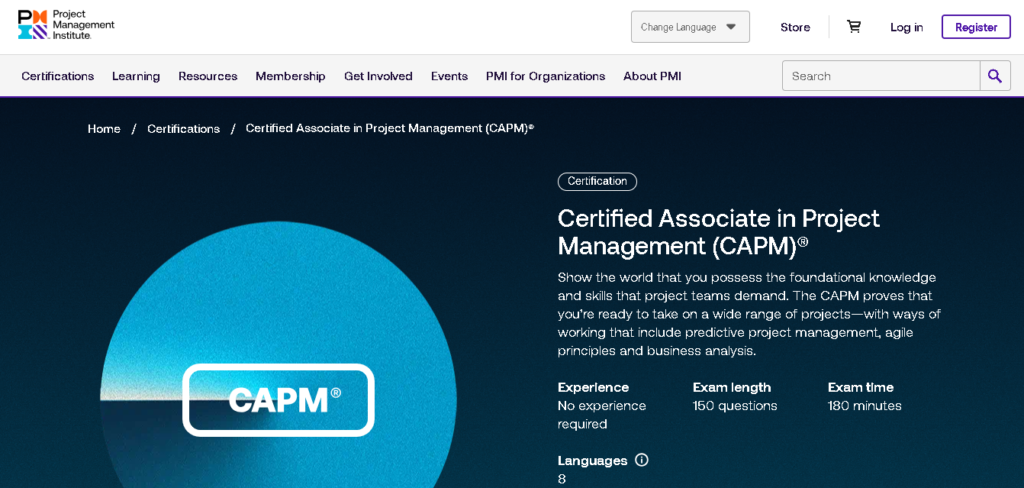
Credit: CAPM
Also, from PMI, the CAPM is ideal for those looking to demonstrate their understanding of fundamental project management principles.
- RKY Careers‘ Project Management and Business Analysis Bootcamp

This intensive program offers practical project management and business analysis training tailored for professionals transitioning into management roles.
These certifications bolster your resume and equip you with standardised methodologies and best practices essential for effective project management.
Also Read:
Industries Where Civil Engineers Thrive as Project Managers
Civil engineers possess a unique blend of technical expertise and project management skills, making them invaluable assets across various industries.
According to the U.S. Bureau of Labor Statistics, employment of civil engineers is projected to grow 6% from 2023 to 2033, faster than the average for all occupations.
This growth underscores the increasing demand for professionals adept in both engineering and management.
Construction and Infrastructure
The construction and infrastructure sector remains a primary domain where civil engineers excel as project managers. In May 2023, the median annual wage for civil engineers in this sector was $95,890.
Their deep understanding of design principles and leadership abilities ensure projects are completed efficiently and safely.
Renewable Energy Projects
Renewable energy projects have become a burgeoning field for civil engineers as the world shifts towards sustainable energy solutions.
Their expertise is crucial in designing and managing the construction of wind farms, solar power plants, and hydroelectric facilities.
This sector offers the opportunity to work on innovative projects and contributes to environmental sustainability, highlighting its rapid growth and the increasing demand for skilled professionals.
Real Estate Development
In real estate development, civil engineers are pivotal in planning and overseeing construction projects. Their involvement ensures that structures are safe, functional, and compliant with regulations.
The U.S. Bureau of Labor Statistics notes that civil engineers often work in architectural, engineering, and related services, which includes real estate development.
Their project management skills are essential in coordinating various aspects of development, from initial design to final construction.
Tech-Driven Construction Projects
Integrating technology in construction has led to tech-driven projects where civil engineers with project management skills are in high demand. Innovations such as Building Information Modeling (BIM), artificial intelligence, and automation are transforming the industry.
For instance, AI optimises building information modelling, ensures structural integrity, and enhances project efficiency.
Civil engineers adept in these technologies can lead more efficient, cost-effective, and sustainable projects.
In conclusion, the diverse skill set of civil engineers positions them to thrive as project managers across multiple industries. Their ability to blend technical knowledge with management expertise ensures the successful execution of complex projects, meeting the evolving demands of today’s world.
Also Read:
- How RKY Career’s UK Compliance Bootcamp and LinkedIn Optimisation Helped Me Land a KYC Analyst Role
- How To Find A Job As An Immigrant in 2024
Challenges Civil Engineers May Face in Project Management
Transitioning from a civil engineering role to project management presents several challenges that professionals must navigate to ensure success.
Poor dependency management is a common issue in engineering project management, highlighting the complexities involved in such transitions.
Shifting from a Technical to a Managerial Mindset
As a civil engineer, you’re accustomed to focusing on technical details and precision. However, stepping into a project management role requires a broader perspective, emphasising leadership, strategic planning, and resource allocation.
This shift can be challenging, as it involves moving from hands-on problem-solving to overseeing teams and making high-level decisions. Embracing this new mindset is crucial for effective project leadership.
Adapting to Business-Centric Goals
In project management, aligning with business objectives becomes paramount. This means understanding financial constraints, market demands, and organisational priorities.
For civil engineers, this requires developing a keen business acumen and balancing technical solutions with cost-effectiveness and client satisfaction.
Adapting to these business-centric goals ensures that projects meet engineering standards and contribute to the organisation’s success.
Gaining Stakeholder Trust
Building trust with stakeholders is essential for project managers. This involves transparent communication, consistent delivery of promises, and demonstrating competence in managing complex projects.
Civil engineers transitioning into this role may require developing soft skills such as negotiation, empathy, and active listening. Establishing strong relationships with clients, team members, and other stakeholders fosters collaboration and project success.
By acknowledging and addressing these challenges, civil engineers can effectively transition into project management roles, leveraging their technical expertise while embracing new skills and perspectives necessary for leadership.
Also Read:
FAQs on Can a Civil Engineer Become a Project Manager?
How long does it take to become a project manager in civil engineering?
Becoming a project manager in civil engineering typically begins with obtaining a bachelor’s degree in civil engineering, which takes about four years.
After gaining foundational knowledge, aspiring project managers often accumulate several years of practical engineering experience.
Transitioning into a project management role may require additional education or certifications, such as a Project Management Professional (PMP) credential. The process can take approximately 6 to 8 years, depending on individual career paths and educational choices.
How long does it take to transition from civil engineer to project manager?
Overall, the transition may take 3 to 12 months beyond initial education.
What is the lowest salary for a project manager?
According to data from Salary.com, the lowest 10% of project management managers earn around $114,989 annually in the United States.
Are project managers still in demand?
Yes, project managers remain in high demand across various industries. The increasing complexity of construction, technology, and healthcare projects requires skilled professionals to oversee and manage these initiatives.
The U.S. Bureau of Labor Statistics projects steady growth in project management roles, reflecting the ongoing need for qualified project managers.
What industries offer the highest salaries for project managers with an engineering background?
Project managers with an engineering background can command higher salaries in specific industries. According to Glassdoor, the top-paying sectors include:
- Energy, Mining & Utilities: Median total pay of $174,058.
- Telecommunications: Median total pay of $164,049.
- Information Technology: Median total pay of $148,146.
- Manufacturing: Median total pay of $146,355.
- Aerospace & Defense: Median total pay of $145,708.