NHS Jobs Nigerians Can Apply for in 2026
Are you a Nigerian healthcare professional considering a career abroad? Worry no more because the United Kingdom presents a wealth of opportunities. NHS Jobs Nigerians Can Apply for in 2026 are abundant due to the ongoing staffing shortages across the NHS.
From clinical roles like nursing and midwifery to non-clinical positions in healthcare management, administration, and IT, the NHS is actively seeking talented professionals from Nigeria to fill critical gaps.
Now, you may be wondering: why is the NHS particularly interested in Nigerian applicants? The answer lies in a combination of strong healthcare training in Nigeria, English proficiency, and cultural adaptability, which makes Nigerians ideal candidates for NHS roles.
Here’s something we can both agree on: international recruitment can feel overwhelming, but understanding the range of available jobs, eligibility requirements, and application procedures can make the process much smoother. By the end of this guide, you’ll have a clear roadmap for landing a role with one of the world’s largest healthcare systems.
Why the NHS Is Hiring Nigerians in 2026
The NHS is facing a serious shortage of healthcare staff, which has led to a surge in international recruitment. In 2026, Nigerians are among the most sought-after candidates because of their strong training, English proficiency, and experience in challenging healthcare environments.
According to the NHS England Workforce Statistics, over 100,000 vacancies exist across the UK healthcare system, highlighting the urgent need for skilled professionals.
Read Also:
- Interview Preparation For NHS Jobs
- Drop in People Coming to the UK to Work in NHS and Social Care in 2025
The UK healthcare staffing gap explained
The UK has one of the highest nurse-to-patient ratios shortages in Europe. Around 50,000 nursing positions are currently unfilled, creating increased pressure on existing staff and affecting patient care.
This gap extends beyond nursing to midwifery, allied health professionals, and healthcare support workers. The shortage has made the NHS actively look for qualified professionals from countries like Nigeria, where training standards and English language skills meet UK requirements.
Why Nigerians are highly sought after in NHS roles
Nigerian healthcare professionals are highly adaptable and often bring experience in high-pressure settings, which makes them well-suited for NHS roles. They are also familiar with medical protocols that align closely with international standards.
For example, many Nigerian nurses and midwives already follow WHO-recommended procedures. This has made their transition into the NHS smoother compared to applicants from some other countries.
Additionally, the NHS values the cultural diversity that Nigerian professionals bring, helping improve patient care and team collaboration.
NHS Jobs Nigerians Can Apply for in 2026
If you are looking for NHS Jobs Nigerians Can Apply for in 2026, there are several opportunities across clinical and non-clinical roles. The NHS is actively recruiting professionals who can quickly fill critical positions. Common roles include:
- Laboratory and diagnostic staff
- Nurses and midwives
- Healthcare assistants
- Support workers
- IT and admin staff
Nursing, midwifery, and allied health roles
Nursing remains one of the most in-demand roles in the NHS. The NHS recruits adult, mental health, and children’s nurses.
Midwives are also needed as maternity services grow. Allied health roles include physiotherapists, radiographers, and occupational therapists.
Allied health professions, including physiotherapists, radiographers, and occupational therapists, are another group of roles where Nigerians can apply. In fact, about 15% of newly recruited nurses in NHS trusts in 2025 came from overseas, with Nigeria contributing a significant share.
Read Also:
- Success Story: From Fresh Graduate to NHS Medical Scientist Using Our Full Rebrand Service
- Glory’s Success Story: From No Experience to Landing 2 Visa Sponsorship Jobs
Healthcare assistant and support worker positions
Healthcare assistants and support workers are essential for daily patient care and hospital operations. These roles do not always require UK experience, making them easier for Nigerians to secure.
They assist nurses and doctors, help patients with daily activities, and maintain safe care environments. Many NHS trusts have fast-track recruitment programs for international healthcare assistants, especially from Nigeria, to reduce staffing shortages quickly.
Clinical and Non-Clinical NHS Roles Open to Nigerians
Beyond traditional nursing and midwifery positions, the NHS offers a wide range of clinical and non-clinical roles suitable for Nigerians. These roles provide opportunities in healthcare management, administration, IT, and laboratory services, helping support the overall functioning of the NHS.
IT, admin, and healthcare management jobs
The NHS increasingly relies on digital systems to manage patient records, appointments, and hospital operations. Nigerians with experience in healthcare IT, administration, or management can apply for roles such as healthcare administrators, IT support specialists, and project coordinators.
For instance, NHS Digital reports that over 10,000 IT and administrative positions remain unfilled across the UK. These roles often require familiarity with software like SAP, MS Office, or patient management systems.
Healthcare management positions also include team leads, operational managers, and service coordinators. Nigerians with prior experience in hospitals, clinics, or community health programs are highly competitive for these roles.
Laboratory, pharmacy, and diagnostic roles
Laboratory technicians, pharmacy assistants, and diagnostic professionals are crucial to patient care and treatment accuracy. Nigerians trained in medical laboratory sciences, pharmacy, or radiology can apply for NHS roles in hospitals and private clinics. According to the Health Education England report, diagnostic staff shortages account for 20% of unfilled NHS positions, making these jobs accessible to qualified international candidates.
Read Also:
Visa and Eligibility Requirements for NHS Jobs
Before applying for NHS Jobs Nigerians Can Apply for in 2026, it is important to understand the visa and eligibility requirements. The NHS recruits internationally, but candidates must meet UK immigration rules, professional registration, and English language standards.
Health and Care Worker visa explained
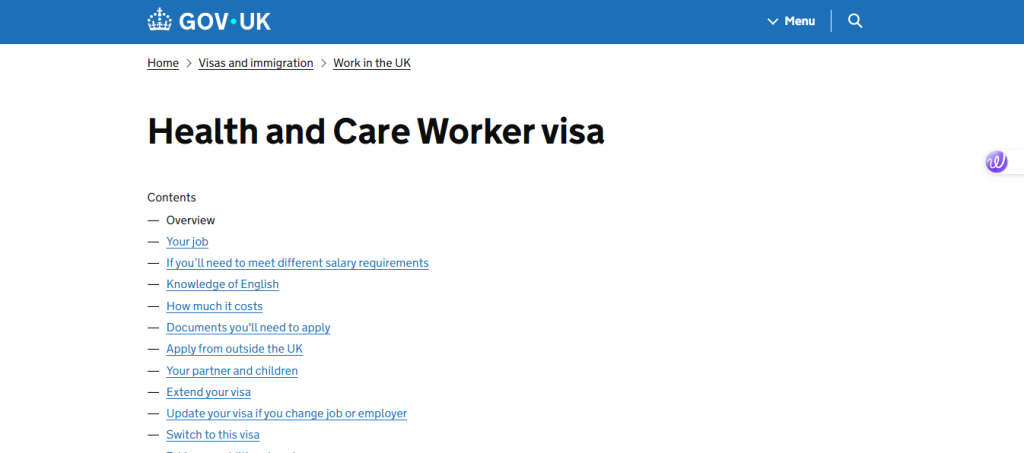
Most Nigerians applying for NHS roles will need a Health and Care Worker visa. This visa is designed specifically for medical professionals and support staff working in the NHS. It allows you to live and work in the UK for up to 5 years and offers faster processing and lower fees than other work visas.
To be eligible, applicants must have a confirmed job offer from an NHS trust or an approved healthcare organisation. You can find more details on eligibility and application here.
English tests, NMC/HCPC registration and documentation
For clinical roles such as nursing, midwifery, or allied health, registration with a UK professional body is required. Nurses and midwives must register with the Nursing and Midwifery Council (NMC), while allied health professionals register with the Health and Care Professions Council (HCPC).
English proficiency is also mandatory. Most NHS trusts accept IELTS or OET scores. For example, the minimum IELTS requirement for nurses is usually 7.0 overall with at least 6.5 in each component.
Applicants must also provide valid identification, professional qualifications, references, and proof of experience. Incomplete documentation is a common reason for rejected applications.
Read Also:
- Say Goodbye to Job Search Stress: ApplyBuddy Launches Their Job Application Service
- How RKY Career’s Expert CV Optimisation Helped Me Secure My Dream Data Analyst Role at NHS
How to Apply for NHS Jobs From Nigeria
Applying for NHS Jobs Nigerians Can Apply for in 2026 can seem challenging, but with a clear process, it becomes manageable. Understanding the steps, preparing your documents, and targeting the right roles will improve your chances of success.
Step-by-step NHS application process
The first step is to search for available roles on the official NHS Jobs portal. You can filter positions by location, job type, and eligibility for international applicants. Once you find a suitable role, create an account and complete the online application form carefully.
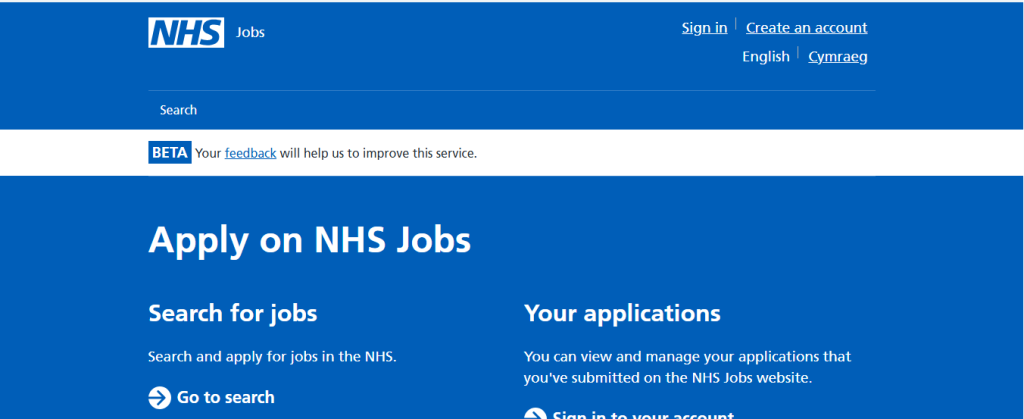
After submitting your application, NHS trusts will review your documents. If shortlisted, you may be invited for a video interview. Some trusts also require skills assessments, especially for clinical roles. Once successful, you will receive a conditional job offer, which you can use to apply for your Health and Care Worker visa.
You can also reach out to Applybuddy to assist you in doing that as reports say they have a very high success rate

CV, cover letter, and supporting document tips
A clear, well-structured CV is essential. Include your education, work experience, professional registrations, and relevant skills. Tailor your CV to highlight experience that aligns with the NHS role you are applying for.
Your cover letter should be concise and highlight why you are suitable for the position. Include achievements, experience in similar healthcare settings, and any leadership or teamwork skills.
Supporting documents such as professional references, registration certificates, and proof of English proficiency must be complete and up-to-date. Missing documents are among the top reasons Nigerians are rejected for NHS jobs.
Read Also:
- How to Get Non-Clinical Roles in the NHS-UK
- Landing a Business Analyst Role with the NHS after RKY Careers PM/BA Bootcamp
Common Reasons Nigerians Get Rejected From NHS Jobs
Even qualified candidates can be rejected for NHS roles if certain requirements are not met. Understanding these common pitfalls can help Nigerians improve their chances in 2026.
Incomplete documentation and wrong job targeting
One of the main reasons applicants are rejected is incomplete documentation. Missing certificates, references, or proof of English proficiency can immediately disqualify candidates. Another common issue is applying for roles without matching experience.
For example, applying for a nursing role without proper clinical experience or professional registration is likely to lead to rejection. Targeting the correct job and preparing all documents carefully is essential.
Registration and eligibility errors
Another frequent cause of rejection is errors in professional registration. Nurses, midwives, and allied health professionals must ensure their NMC or HCPC registration is valid and meets UK standards.
Similarly, mistakes on visa applications or failing to meet English test requirements can prevent successful recruitment. Double-checking registration, eligibility, and documentation before applying is key to a smooth application process.
Conclusion
Navigating NHS Jobs Nigerians Can Apply for in 2026 may seem complex, but with the right guidance, preparation, and understanding of eligibility, Nigerians can successfully secure rewarding roles in the UK healthcare system. From nursing and allied health to administrative and IT positions, the opportunities are diverse and growing.
If you want to increase your chances of landing your dream NHS role, Rky Careers Service can help. Their expert team offers personalised guidance on CV writing, cover letters, visa applications, and interview preparation, ensuring you present yourself as a strong candidate.
By using professional support, you can avoid common pitfalls, meet all requirements, and apply with confidence.

With careful planning and the right support, 2026 can be your year to join the NHS and build an international healthcare career.
FAQs: NHS jobs Nigerians can apply for in 2026
What NHS jobs are easiest for Nigerians to get in 2026?
Healthcare assistant, support worker, and administrative roles are generally easier for Nigerians because they often require fewer registration steps and allow international applicants without prior UK experience.
Does the NHS sponsor visas for healthcare assistants?
Yes, the NHS can sponsor Health and Care Worker visas for eligible healthcare assistants, especially in trusts facing critical staffing shortages.
Can Nigerians apply for NHS jobs without UK experience?
Yes. Many NHS trusts accept international applicants without UK experience, particularly for healthcare assistants, support roles, and some allied health positions.
How long does NHS international recruitment take?
The process can take 3–6 months on average, depending on document verification, registration, visa processing, and interviews. Clinical roles may take longer due to skills assessments.